our mission
Woodmere's mission is to inspire creativity, learning, and self-expression through experiences with the art and artists of Philadelphia and the region. Hear a message from our Director.
Our Story
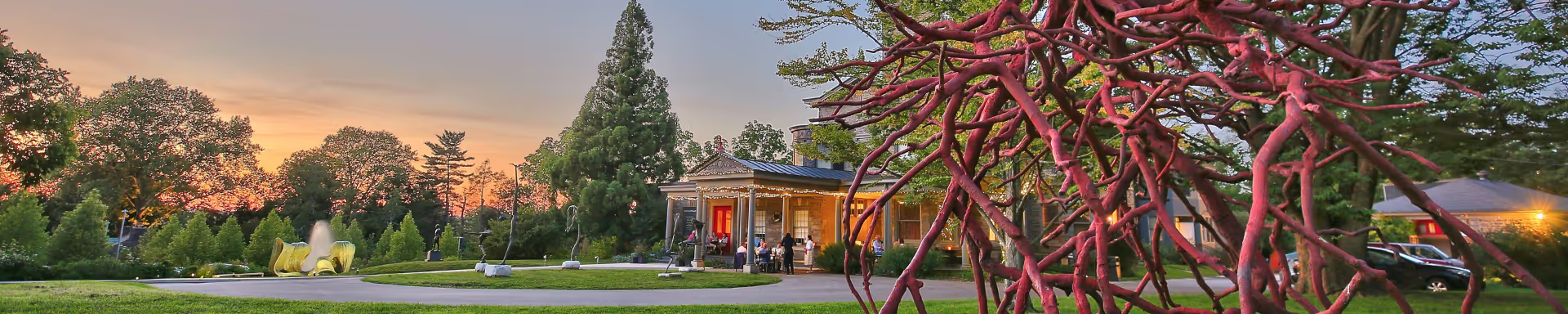
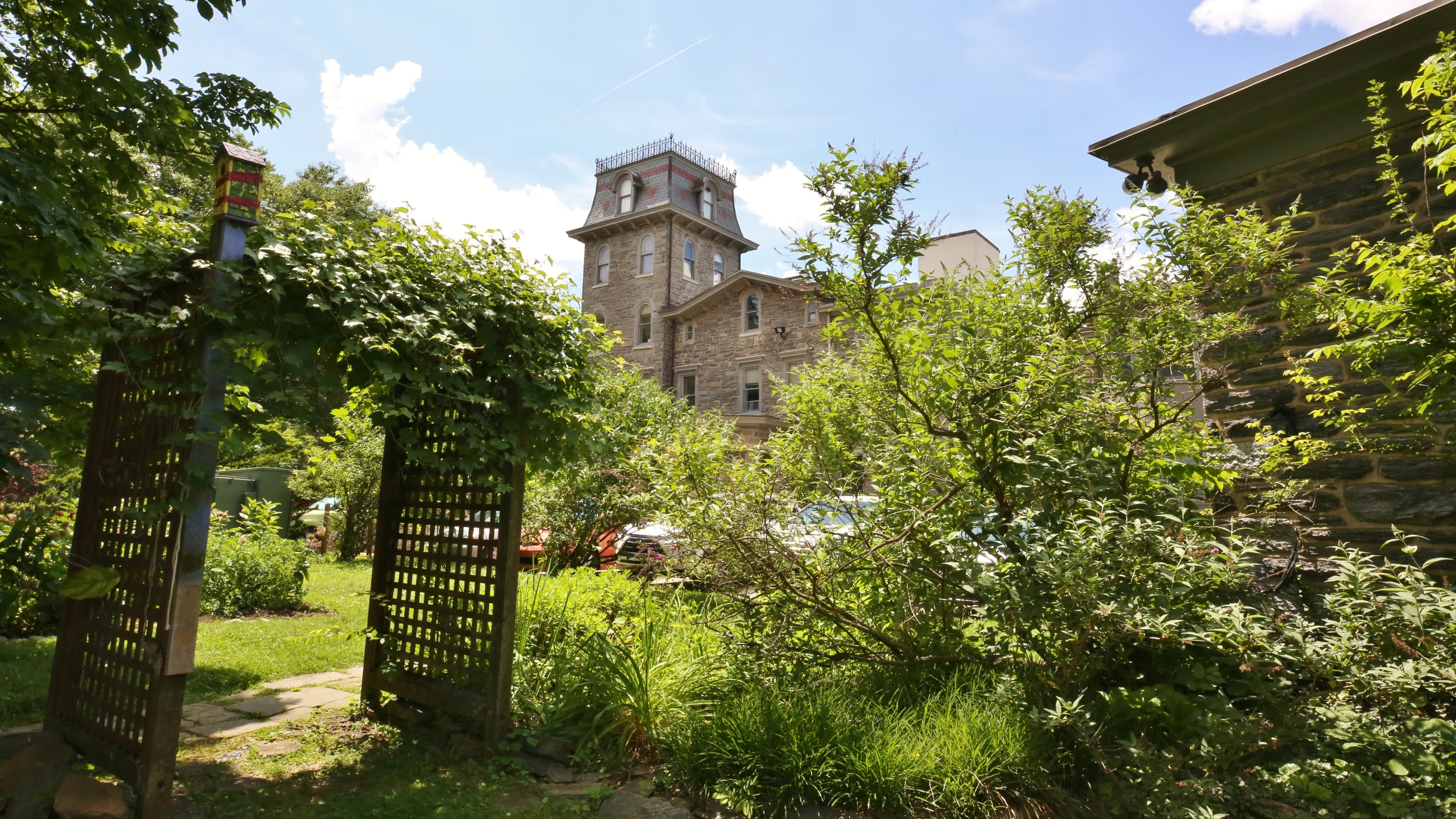
Housed across two nineteenth-century stone mansions on ten acres in Chestnut Hill, Woodmere is dedicated to the art and artists of Philadelphia.
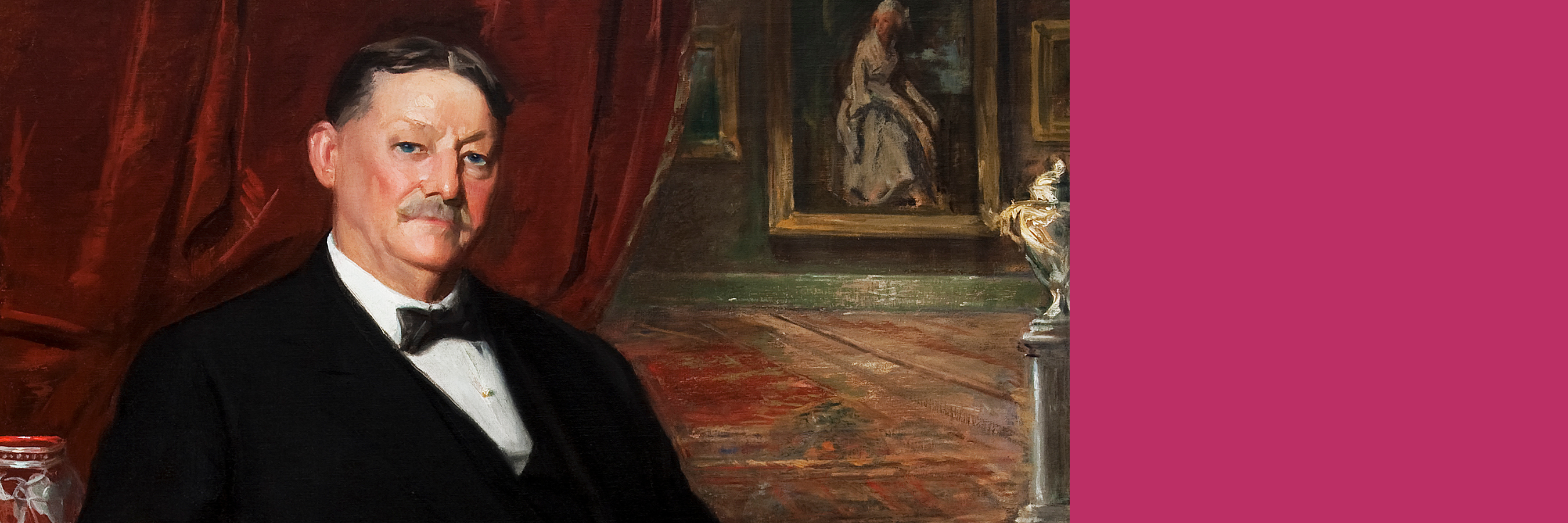
Charles Knox Smith Hall and its grounds, together with the core of the collection, are the gifts of Charles Knox Smith (1845–1916). Born of humble means, Smith eventually built a successful mining company and served on Philadelphia’s Common Council (the precursor to today’s City Council). In 1898, Smith purchased the estate known as Woodmere and began transforming it into a showcase for his art. With the belief that the experience of art and nature together offer a path to spiritual beauty, Smith welcomed his first visitors to Woodmere in 1910.
The Museum continues to honor his vision with WOW, Woodmere’s Outdoor Wonder, which brings together monumental outdoor sculpture, horticulture, environmental conservation, and education. For almost forty years, from the early 1940s through 1978, Woodmere thrived under the leadership of Edith Emerson, who, along with her life partner, the artist Violet Oakley, brought women artists into the collection.
In 2025, Woodmere expanded with Frances M. Maguire Hall for Art & Education, which added fourteen new galleries, a children’s art and education studio, and new public spaces for events and programs—encompassing seventeen thousand square feet of interior space and four additional acres of preserved green space. Just steps from Woodmere’s original Charles Knox Smith Hall, Maguire Hall extends the Museum’s mission to celebrate Philadelphia’s artists by showcasing previously stored and newly acquired artworks. Highlights include galleries dedicated to Philadelphia’s distinctive schools of American Impressionism, Modernism, Mid-century Abstraction, and Figurative Realism; a new “vault” for the city’s historic Jewelry Arts; series by Violet Oakley and the Red Rose Girls; and galleries for works on paper.
Today, Woodmere is dedicated to collecting and showing work by the diverse spectrum of artists who make Philadelphia their home. Woodmere seeks to offer an increasingly inclusive dialogue in the arts through its exhibitions, programs, concerts, and events.
Woodmere is accredited by the American Alliance of Museums, a distinction held by only approximately three percent of museums nationwide. On the National Register of Historic Places, Woodmere is designated a significant structure that contributes to the historic character of the Chestnut Hill Historic District.
Woodmere Welcomes Everyone
Woodmere values and celebrates the unique attributes that make each member of its community an individual.
Our strength lies in the DIVERSITY of life experiences that contribute to all Museum activities. Woodmere seeks to create diversity of participation in public-facing programs, such as exhibitions and education programs, as well as in operations and policy-driven matters.
From our diversity, Woodmere seeks to create a culture of INCLUSION, actively breaking down barriers and cultivating the participation of diverse voices. Inclusion drives the excellence of all outcomes. Woodmere recognizes that some individuals face barriers and others are advantaged. Woodmere embraces the principle of EQUITY and seeks to correct the historic inequities that exist in society and are embedded in the Museum, as in all institutions.
Woodmere is committed to ACCESSIBILITY in its admission policy: free to students, discounted for seniors, and free to all visitors on every Sunday. Woodmere strives to be an institution in which all Members, partners, staff, trustees, and key stakeholders reflect and place value on core values pertaining to Diversity, Equity, and Inclusion.
Partnership In Land
Woodmere’s founder, Charles Knox Smith, found deep spiritual meaning in the beauty and continuous cycles of nature. He acquired large, impressive paintings from the leading landscape artists of his day, and we count these among the great treasures of Woodmere’s collection. Smith, the artists he collected, and the mainstream of European-American society believed that the vast landscape of the continent was theirs to settle. The art in the Parlor Gallery was made at a time when Native Americans were being forcibly displaced, and they do not appear in these paintings.
Today, Woodmere recognizes the Lenape people as the original inhabitants of Pennsylvania, and we actively support our Lenape sisters and brothers, who continue to live across the region. Together, we seek to be stewards of the land, water, and sky of Lenapehokink, the ancestral homelands of the Lenape people.
May this partnership heal the past, give direction to the present, and brighten the future.
Lenape Treaty of Renewed Friendship
On May 26, 2023, Woodmere signed the Lenape Treaty of Renewed Friendship during a special program hosted by Adam Waterbear DePaul, Storykeeper of the Lenape Nation of Pennsylvania, and Shelly DePaul, Clan Mother and Language Director of the Lenape Nation of Pennsylvania. This non-binding document acknowledges the Lenape Indian tribe as the original inhabitants of Eastern Pennsylvania, the indigenous stewards of their homeland, and the spiritual keepers of the Delaware River.
Woodmere staff, including William R. Valerio, Ph.D., The Patricia Van Burgh Allison Director and CEO, along with program participants, gave their support and became signers of the Treaty.
Permanent collection
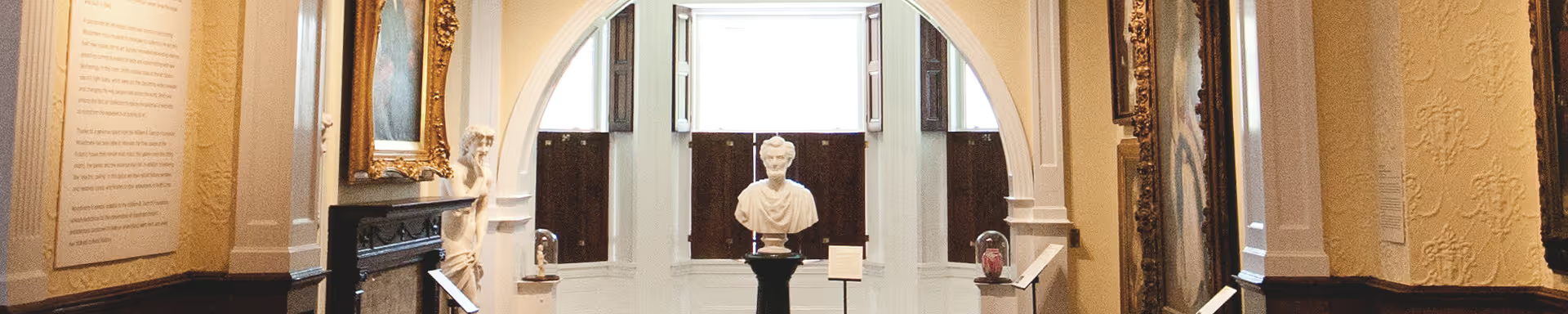
Charles Knox Smith, founder of Woodmere, believed that collecting art was a noble journey with a moral, spiritual, and patriotic dimension. Born in 1845, the defining political and social event of Smith’s life was the Civil War, and his collection is grounded in the social context of post Civil War Philadelphia. Certain works of art tell stories that are directly tied to the war, like Sarah Fisher Ames’ extraordinary marble bust, Abraham Lincoln (date unknown), which is among the greatest treasures of Smith’s collection.
Other works of art tell stories of nobility and self sacrifice, such as Benjamin West’s The Fatal Wounding Sir Philip Sydney (1806), and Edward Harrison May’s Lady Jane Gray Going to Her Execution (1864). Smith was a devout and pious man, and he collected landscape paintings by such great American artists of the 19th century as Frederic Edwin Church, Jasper Cropsey, and Edwin Darch Lewis that expressed the cycles of day and night, life and death, and the spirituality of nature.
Explore the permanent collection and current exhibitions.


Two Buildings, One Story
The creation of Frances M. Maguire Hall for Art and Education is the most significant event in the history of Woodmere since it opened its doors to the public in 1910. Woodmere thanks the members of the Maguire Family and a community of generous supporters and neighbors who made the institution's growth possible. As we work to transform the 19th Century residence into a 21st Century museum, we are thrilled to be working with a top-tier team of professionals, including Matthew Baird Architects, Krieger + Associates Architects, Andropogon Landscape Architects, Sullivan Construction, and Aegis Property Group.
The Frances M. Maguire Hall for Art and Education project took interior spaces that were formerly parlors and bedrooms and transformed them into galleries designed to showcase the strengths of Woodmere’s collection. The grounds are enhanced with sculpture, 150 new trees, and a fountain at the building’s entrance. You can hear the joyful energy of children rushing to explore the McDonald Family Children's Art Studio.
Learn more about what you can explore at each location below.

.JPG)
.JPG)
Founder’s Gallery Renovations
Woodmere’s founder, Charles Knox Smith (1845–1916), collected world-class paintings and sculpture and transformed his estate to showcase and share his art. Since Woodmere opened to the public as a museum in 1940, the core of Smith’s collection has been shown in our Founder’s Galleries, which were originally the parlor, sitting room, and stair hall.
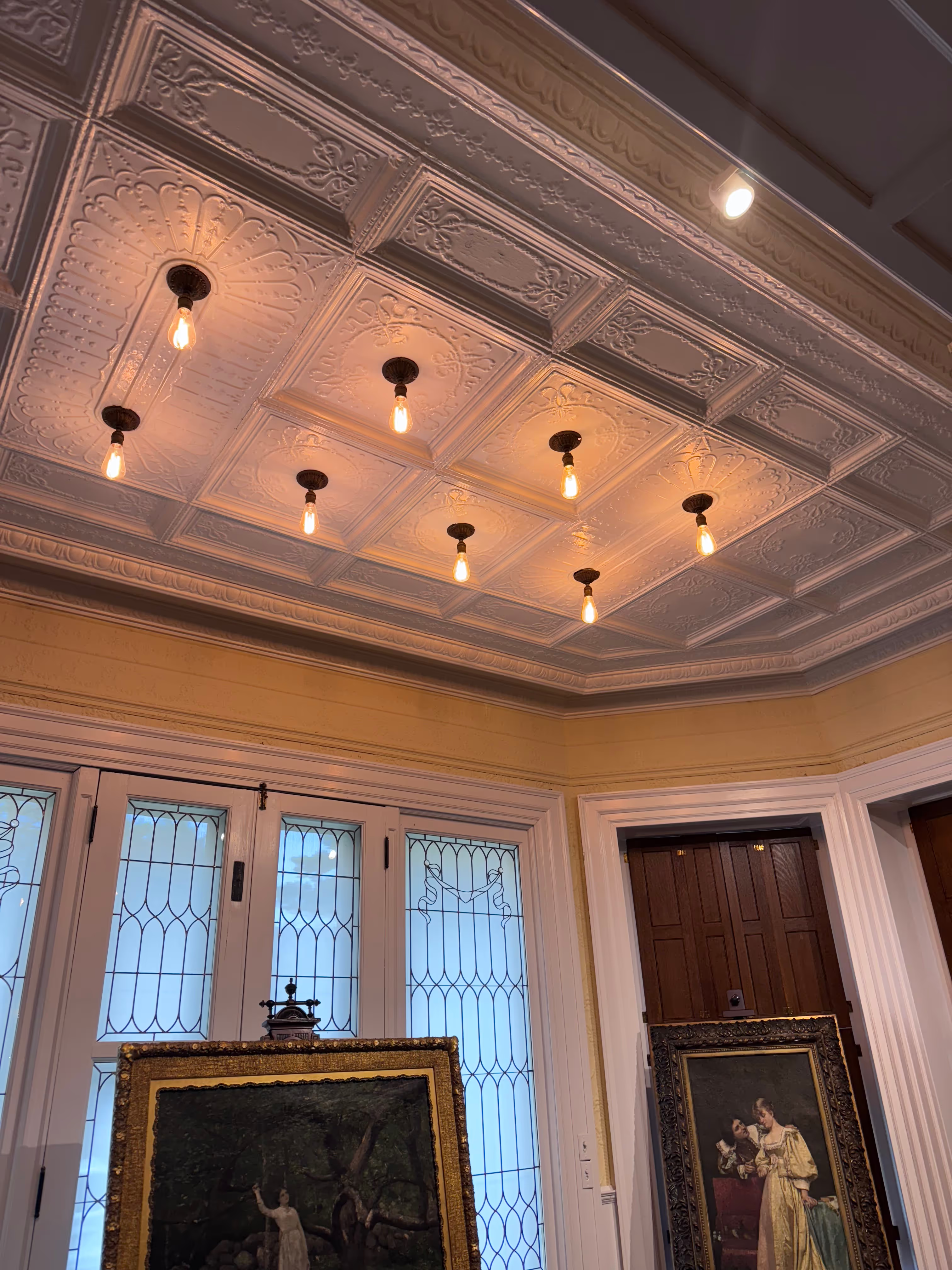
In June 2012, we renovated these spaces, focusing on Smith’s original architectural and design decisions. The project included the restoration of Woodmere’s “Edison ceiling” of the 1890s, so named for the installation of modern electric lighting. Smith was most proud of this feature, which allowed him and others to view the collection at night. Additional renovations included refinishing woodwork, restoring historic cut-glass windows, and rehanging the collection.
Woodmere is most thankful for the support of the William B. Dietrich Foundation for making these renovations possible and helping us to preserve these important historic spaces.