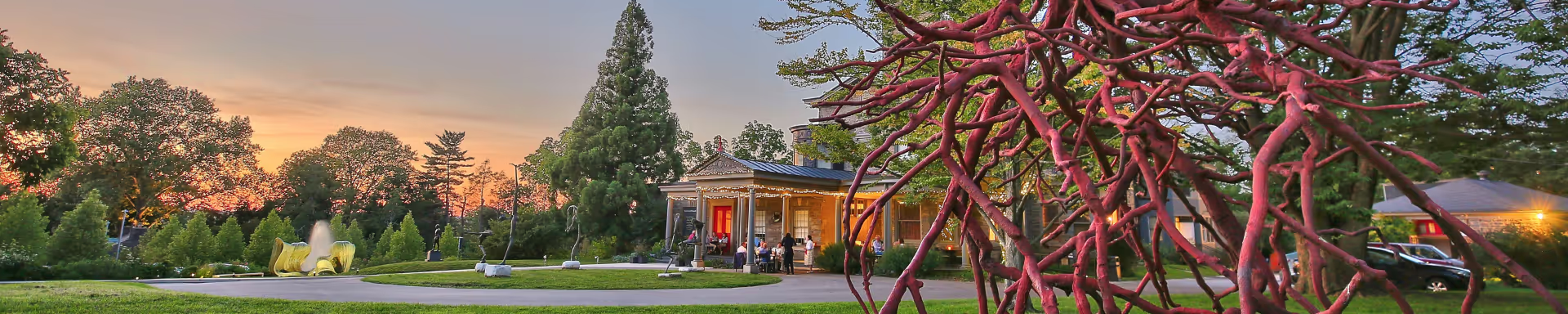
Hovenden and Corson
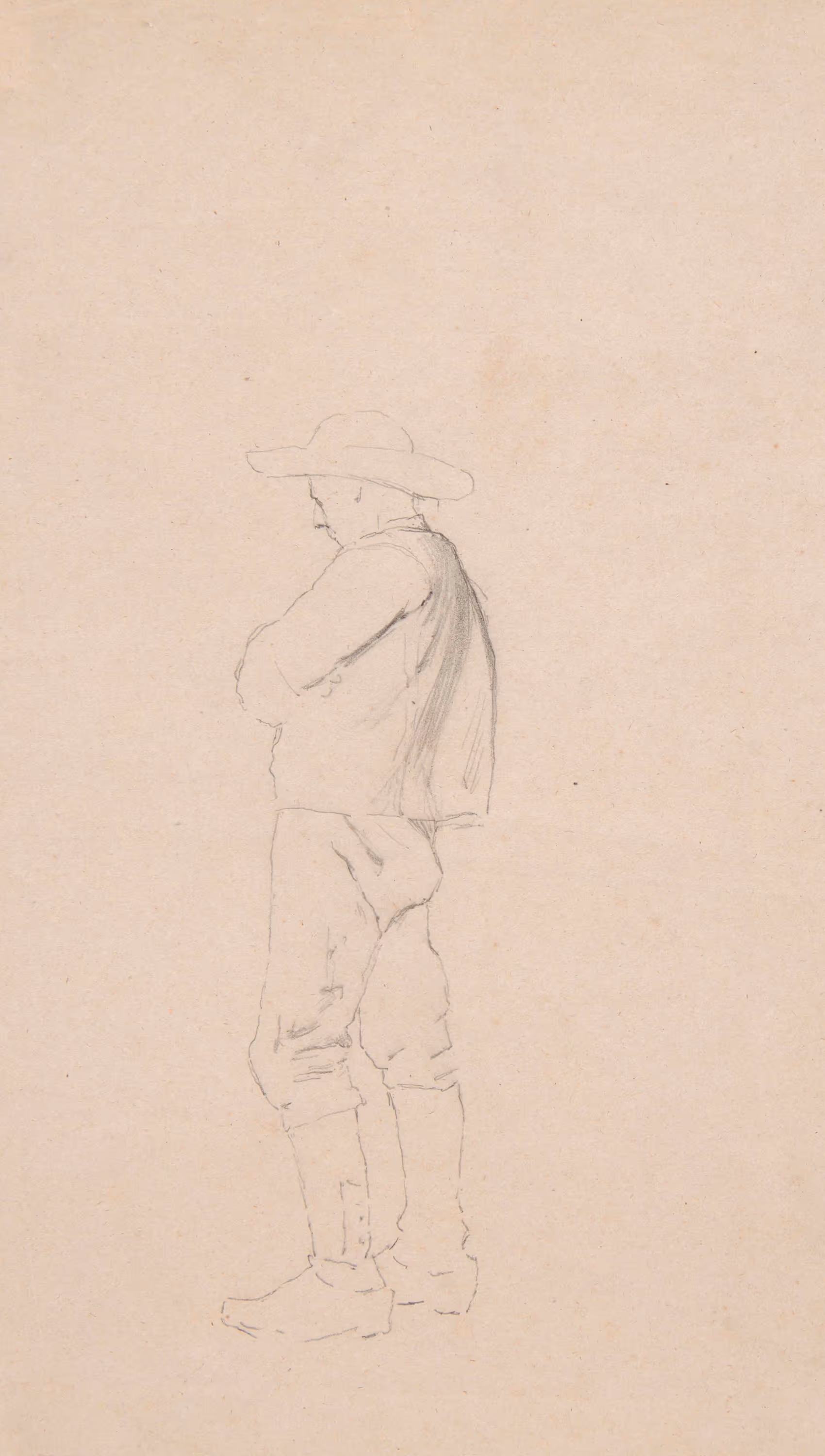
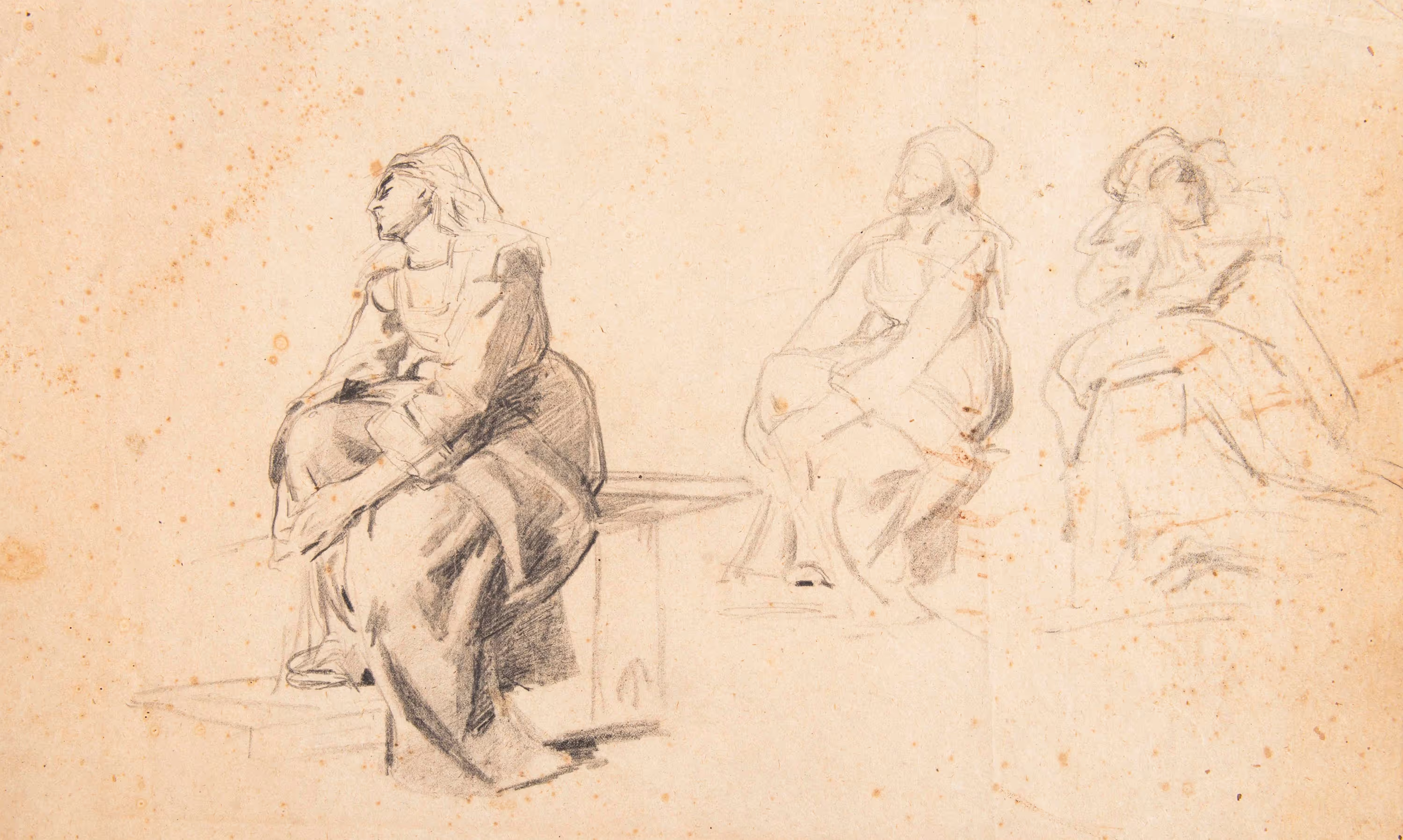
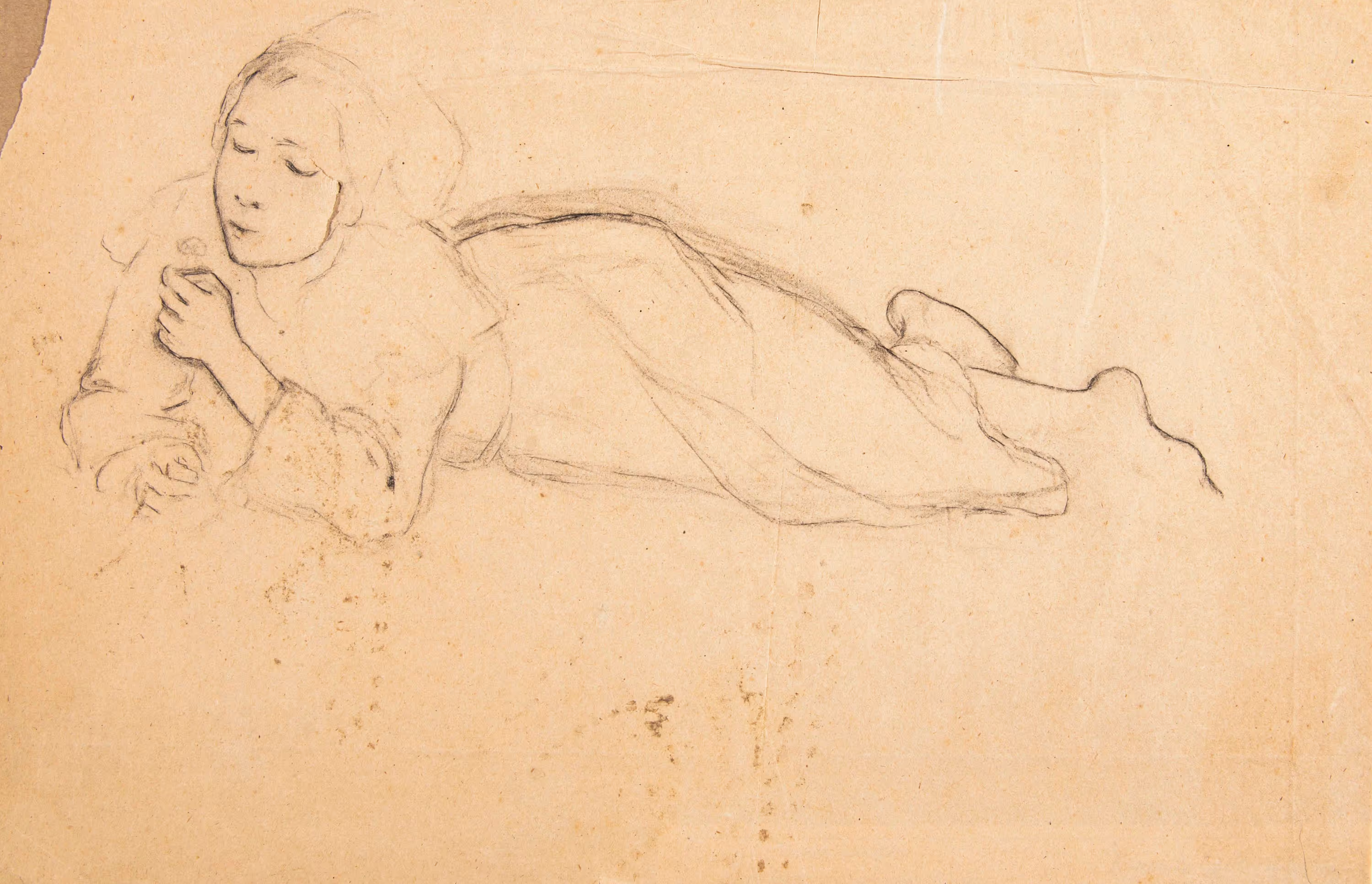
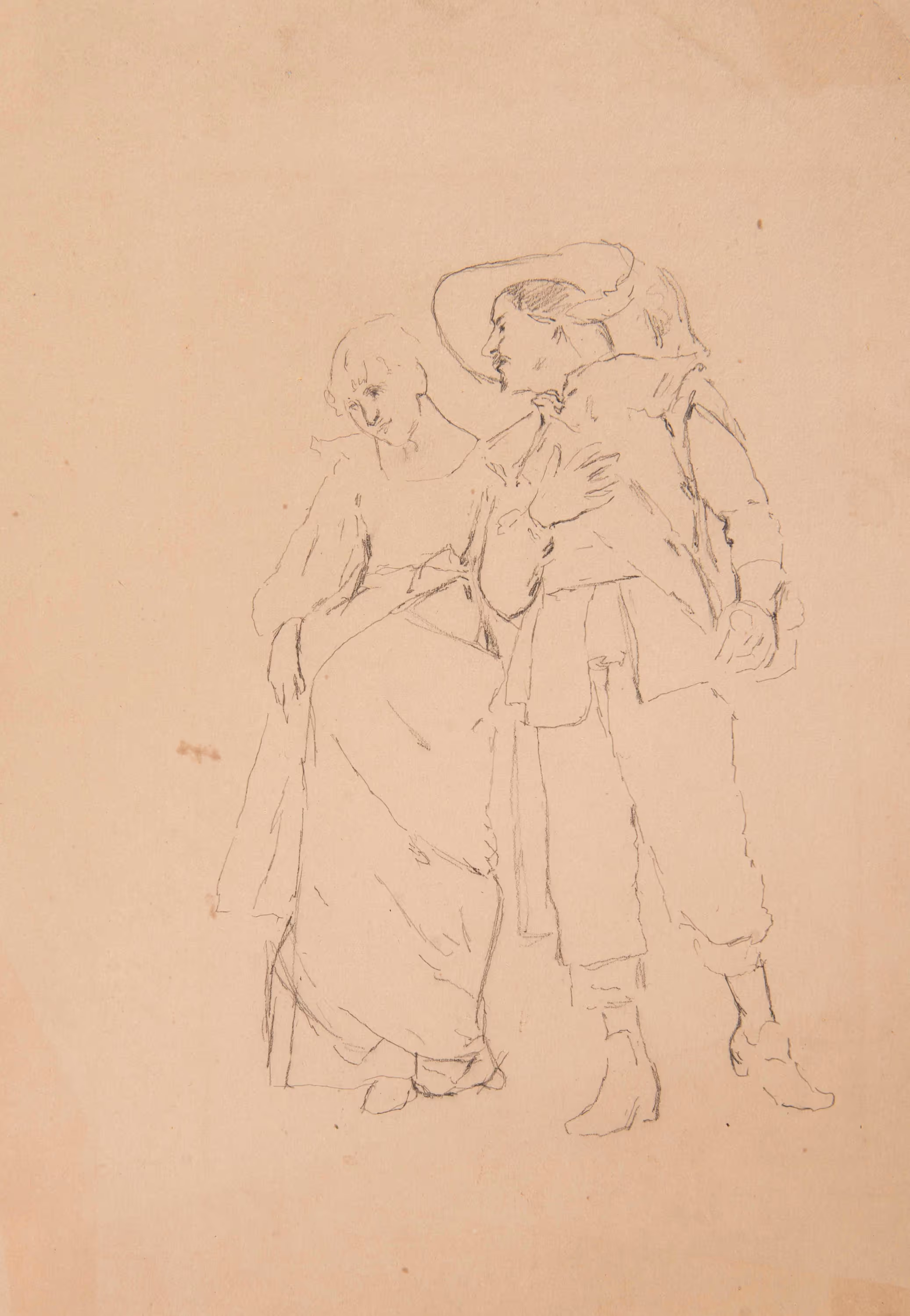
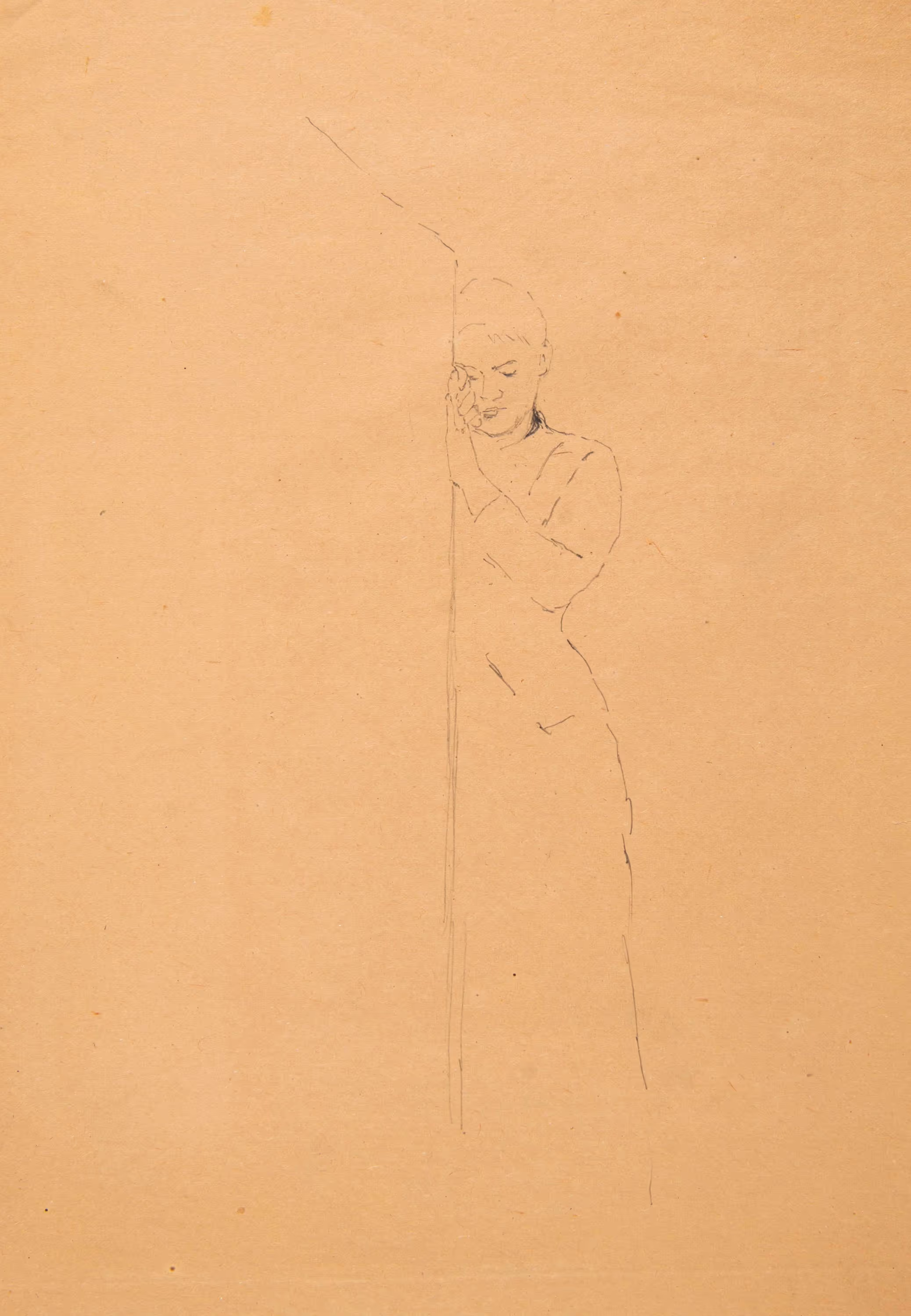
Born in Ireland and orphaned during the Potato Famine, Thomas Hovenden emigrated to the United States and later pursued formal training at the École des Beaux-Arts in Paris. There he met Helen Corson, a young Philadelphia artist studying at the Académie Julian. The couple married and settled in Philadelphia, where they established a studio and built their artistic practice.
Spotlights
History
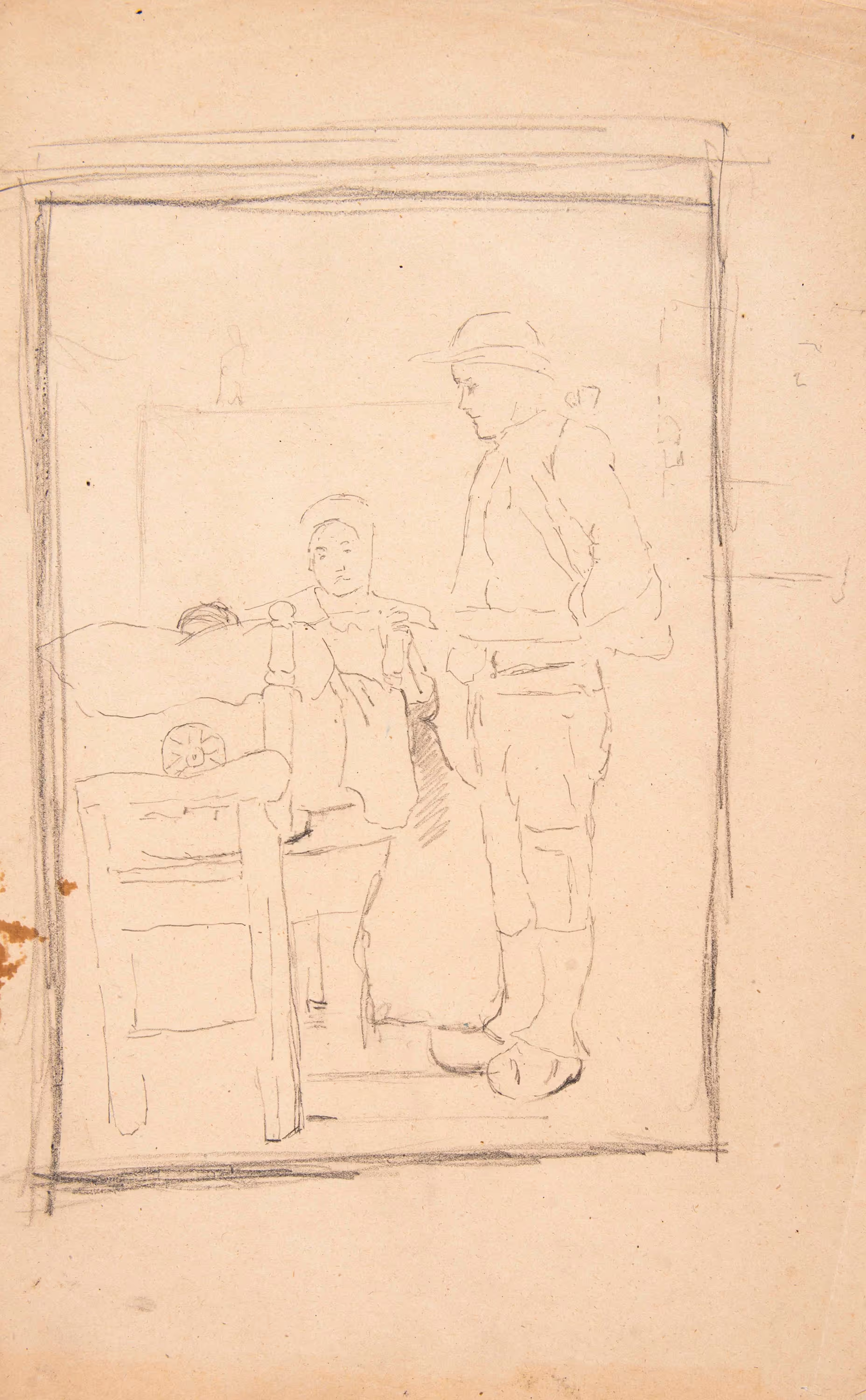
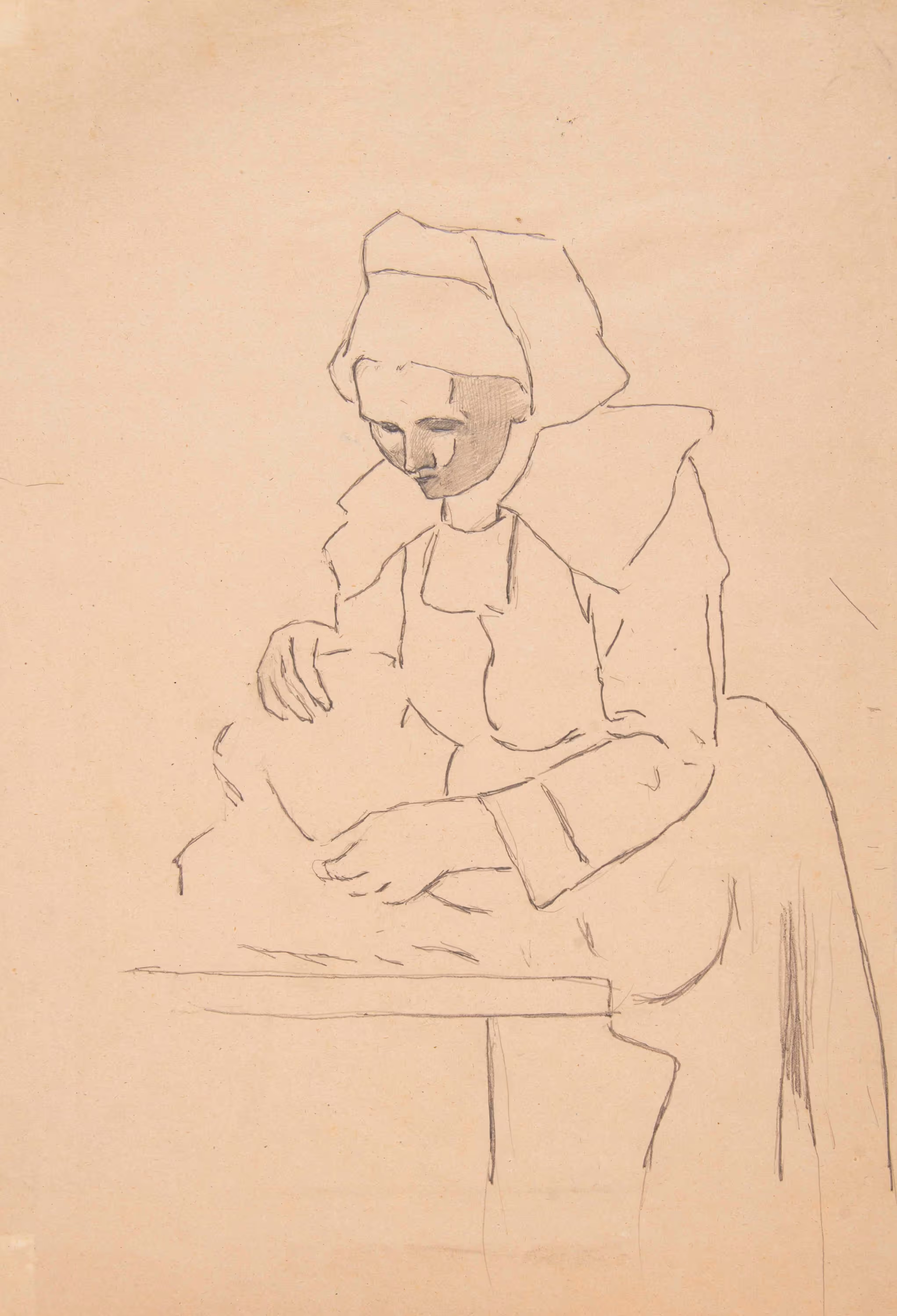
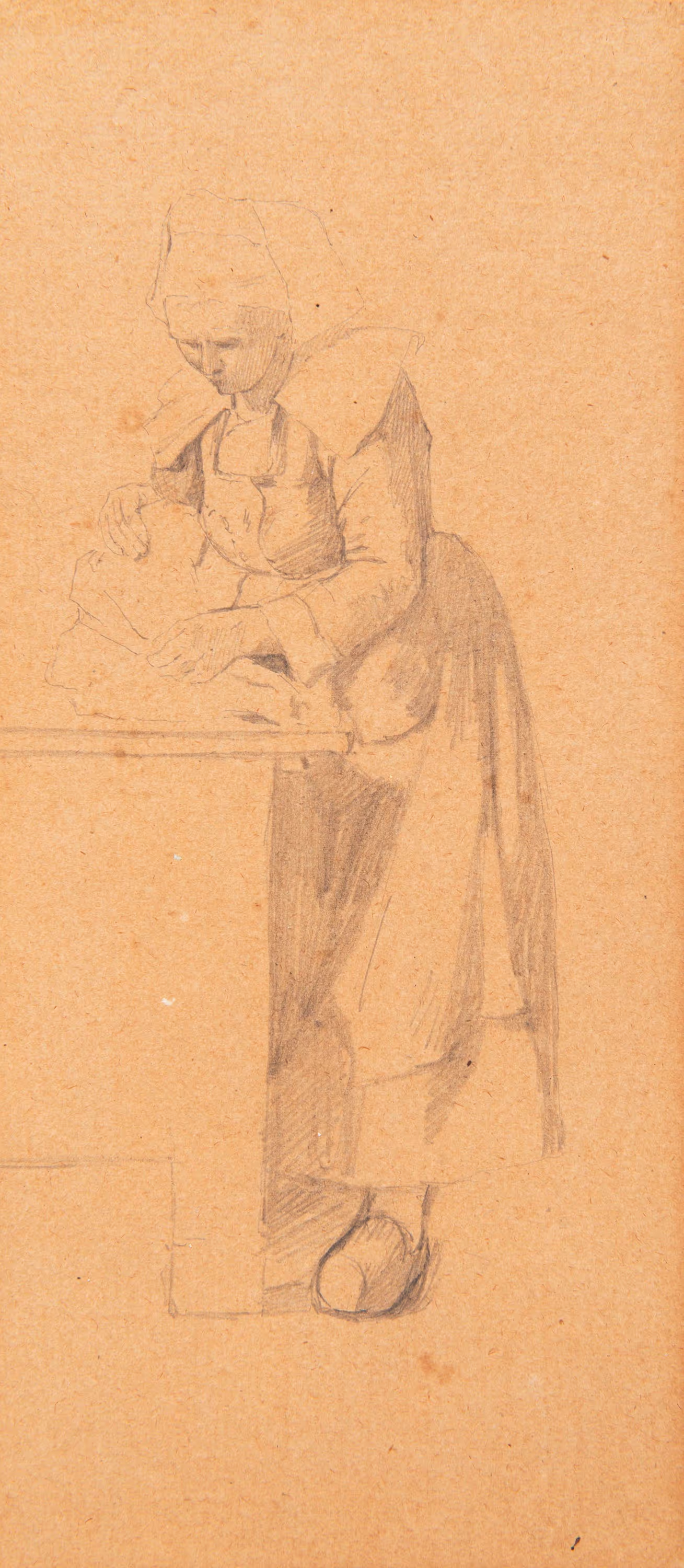
Thomas Hovenden was known for his paintings that conveyed the value of everyday activities involving community, home and family. He was born in 1840 in Ireland and placed in an orphanage at the age of six after the death of his parents during the Potato Famine. In 1855 he began an apprenticeship in a carving and gilding shop, where his creativity was soon recognized. He began formal training at the Cork School of Design, where he honed his drawing skills, and immigrated in 1863 to the United States. In New York, he studied at the National Academy of Design School, where he supported himself by coloring photographs and making frames. After moving to Baltimore, Hovenden met the prominent collector William T. Walters, whose encouragement and support persuaded him to study in France. In 1874 he enrolled in the École des Beaux-Arts and studied with renowned neo-classical painter Alexandre Cabanel, with whom he developed his abilities in painting the figure.
While still in France, Hovenden met Helen Corson, a young artist from a distinguished Philadelphia family who was then studying art at the Académie Julian. The couple returned to the United States in 1880, and that same year participated in the Philadelphia Society of Artists' Second Annual Exhibition, held at the Pennsylvania Academy of the Fine Arts (PAFA). Corson and Hovenden married in 1881, settling on the Corson estate at the intersection of Germantown Pike and Butler Pike in Plymouth Meeting, Pennsylvania, not far from Woodmere.
Helen Corson Hovenden was born in Whitemarsh Township to George and Martha Corson. First attending the Philadelphia School of Design for Women (now Moore College of Art and Design), Corson traveled to Paris in 1875 to study painting at the Académie Julian. She lived there for five years, during which time she met Hovenden. The couple returned to the United States in 1880 and married a year later. From 1881 to 1895, they used the Corson family barn as their studio. The barn still stands at the site and is known as Abolition Hall, since in the days of the artists' youth it had been a stop on the Underground Railroad. She and her parents, who were founding members of Plymouth Meeting's Quaker community, were active in the anti-slavery movement. Hovenden used Abolition Hall as his studio, painting scenes from American history and becoming one of the nation's most famous artists. There he painted his celebrated work Breaking Home Ties, now in the collection of the Philadelphia Museum of Art, which was voted the favorite painting at the 1893 Columbian Exposition in Chicago, as well as The Last Moments of John Brown, on view at the Metropolitan Museum of Art.
Corson was known in Philadelphia as a painter who specialized in portraits of family pets, birds, and flowers. She may have painted the dog in her husband's famous work, Breaking Home Ties (1890), in the collection of the Philadelphia Museum of Art. Family members have described the same much-loved family dog as depicted in both paintings.
Hovenden was an established figure in the Philadelphia art scene at the end of the 19th century. He was appointed professor of painting and drawing at the PAFA in 1886, replacing Thomas Eakins, who had been forced to resign. His students included Alexander Stirling Calder and Robert Henri. He died suddenly in 1895 in a train accident.
related exhibitons

Through Her Eyes: Women Artists from Woodmere’s Collection
Learn more