Violet Oakley and Her Circle
A central figure of the American Renaissance, Violet Oakley left an indelible mark on Philadelphia's cultural landscape through her monumental murals, her deep collegiality with fellow artists, and lifelong commitment to social justice.
Spotlights
Purview
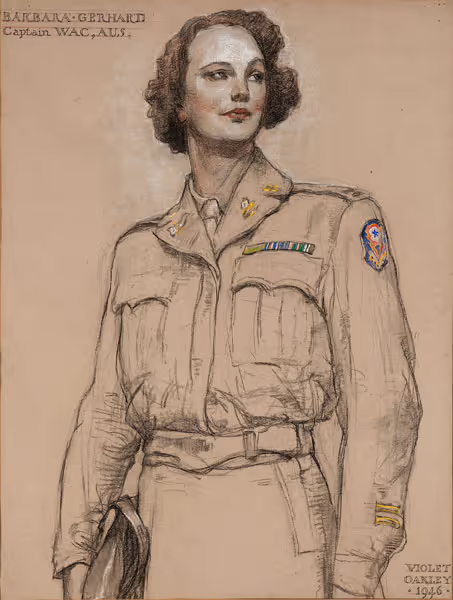
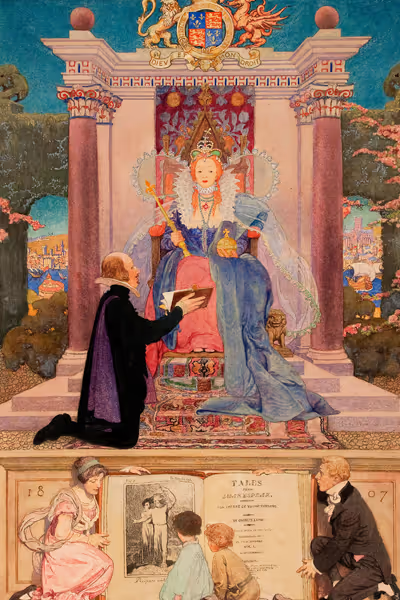
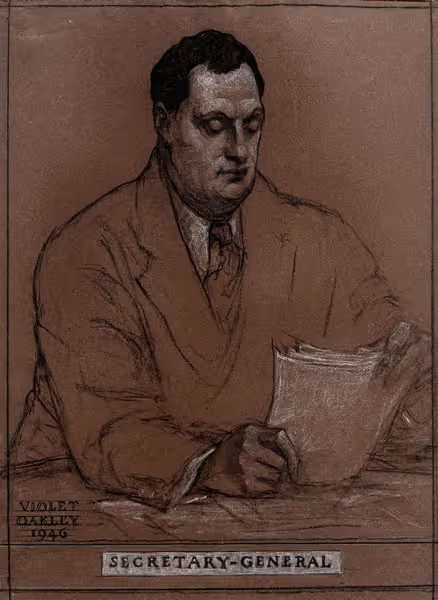
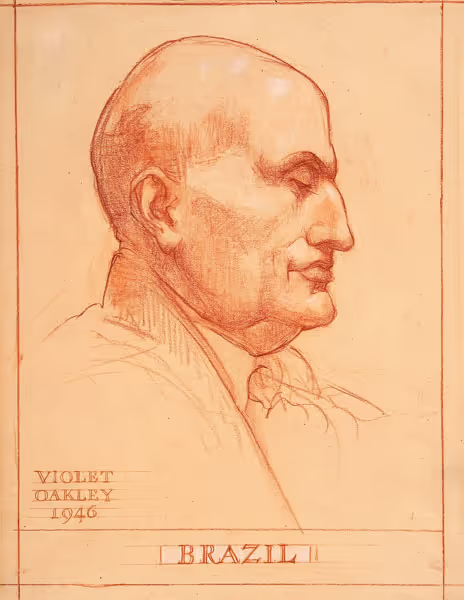
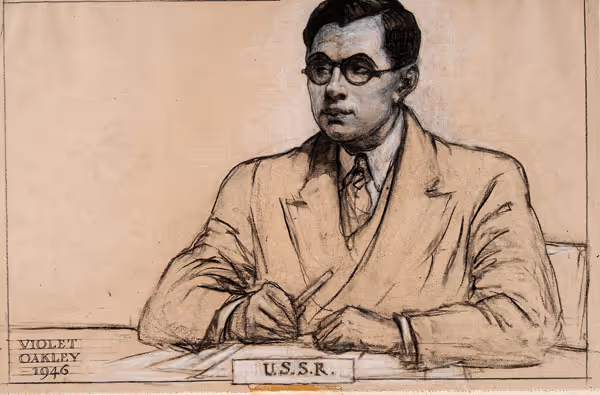
Violet Oakley (1874–1961) was a painter, muralist, illustrator, portraitist, designer, writer, civic leader, and advocate for world peace. Born in Jersey City, New Jersey, she came to Philadelphia to study at the Pennsylvania Academy of the Fine Arts (PAFA) with the portraitist Cecelia Beaux, then transferred to Drexel University, where she studied illustration with Howard Pyle. Pyle dubbed Oakley and her Drexel classmates Elizabeth Shippen Green and Jessie Wilcox Smith the "Red Rose Girls." The three lived and worked independently at the Red Rose Inn in Villanova, PA, before relocating to Philadelphia's Mount Airy neighborhood in 1906.
Oakley is counted among the principal figures of the American Renaissance, a movement that advocated for the cultural and spiritual revitalization of American life. She achieved national recognition in 1906 with a series of murals in the Governor's Reception Rooms at the Pennsylvania State Capitol, and went on to complete two additional suites of murals there. Her mural series Building the House of Wisdom (1911), created for a private Philadelphia mansion, is considered among her greatest achievements and is now a treasure in Woodmere's collection.
A passionate humanitarian, Oakley advocated for racial equality, women's rights, and international governance. She was a driving force in Woodmere's institutional life and a steadfast, mutual supporter of Edith Emerson, her life partner and the museum's director from the early 1940s through 1978.
related exhibitons
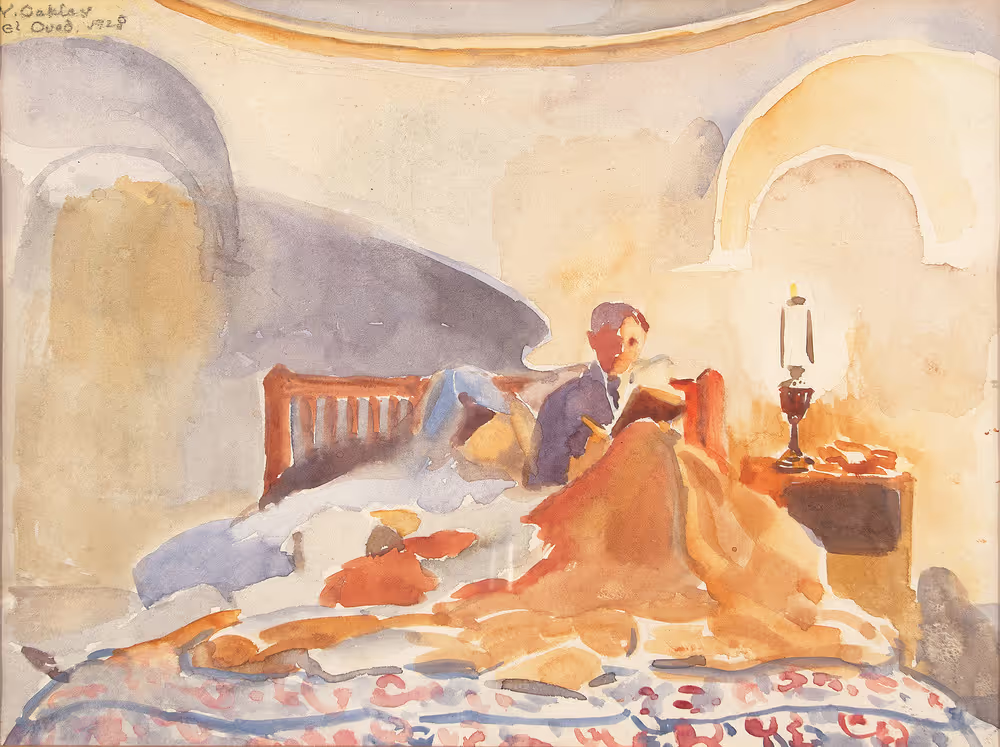
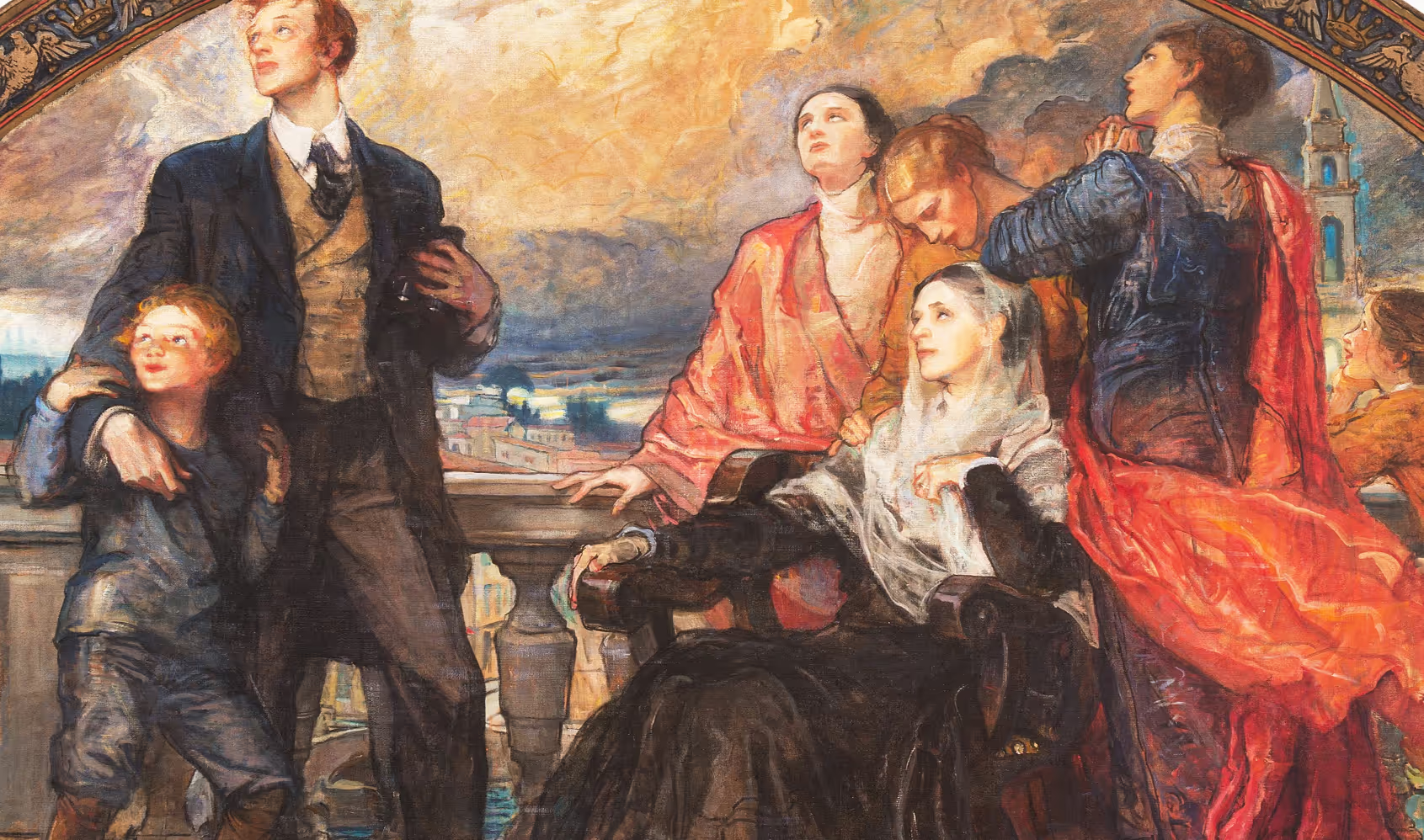
A Grand Vision: Violet Oakley and the American Renaissance
Learn more
A New House for Violet Oakley’s House of Wisdom
During the American Renaissance, a period of cultural renewal at the turn of the twentieth century, Violet Oakley (1874–1961) achieved international fame.
Learn more