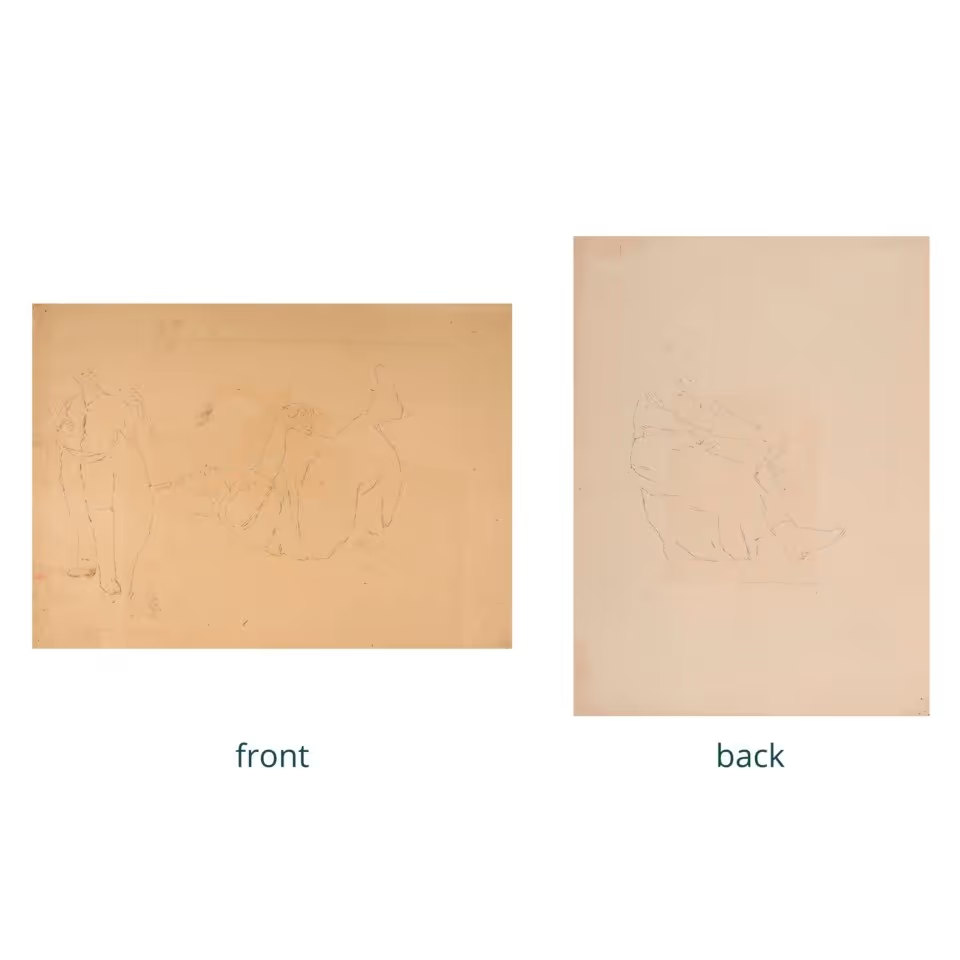
[Front]
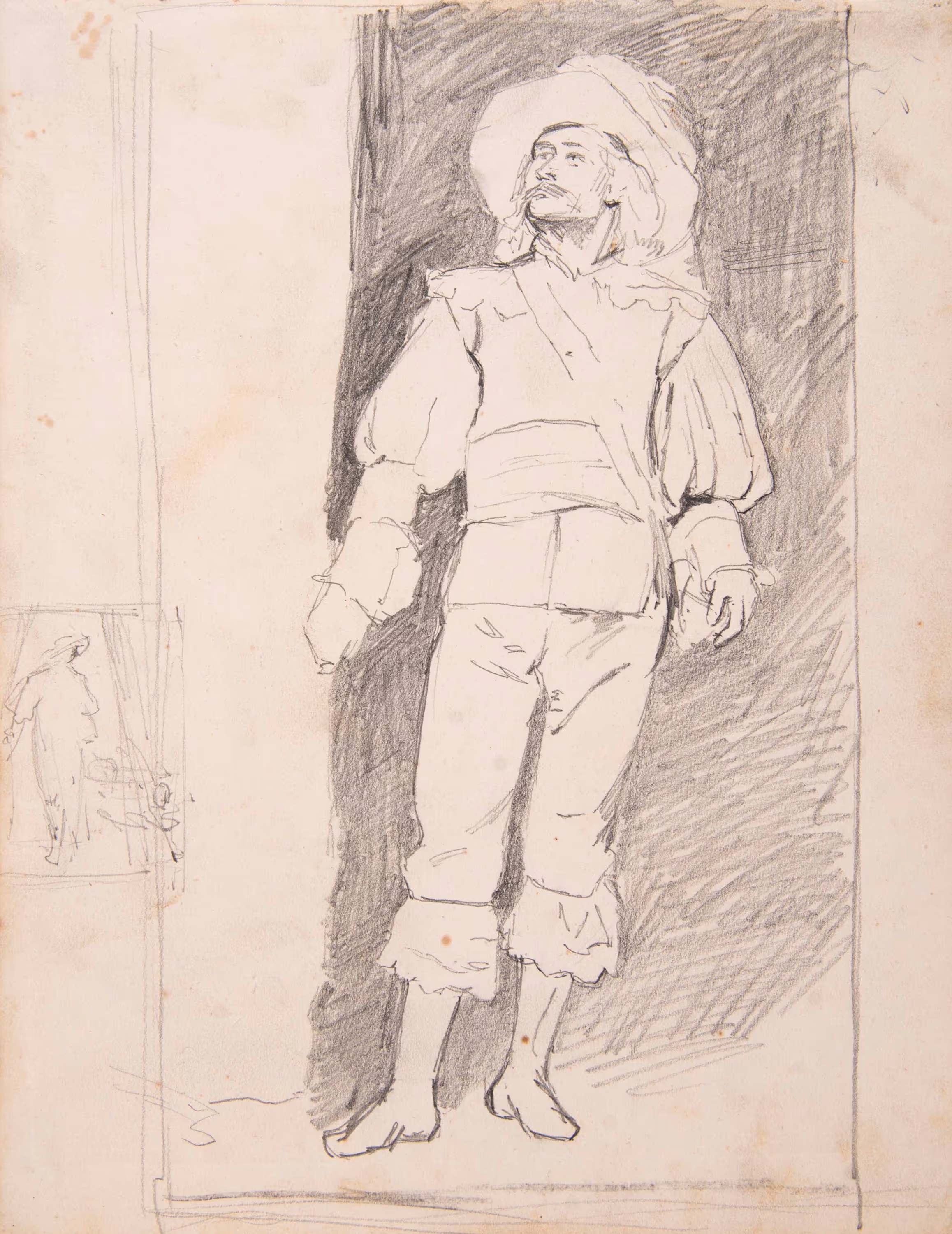
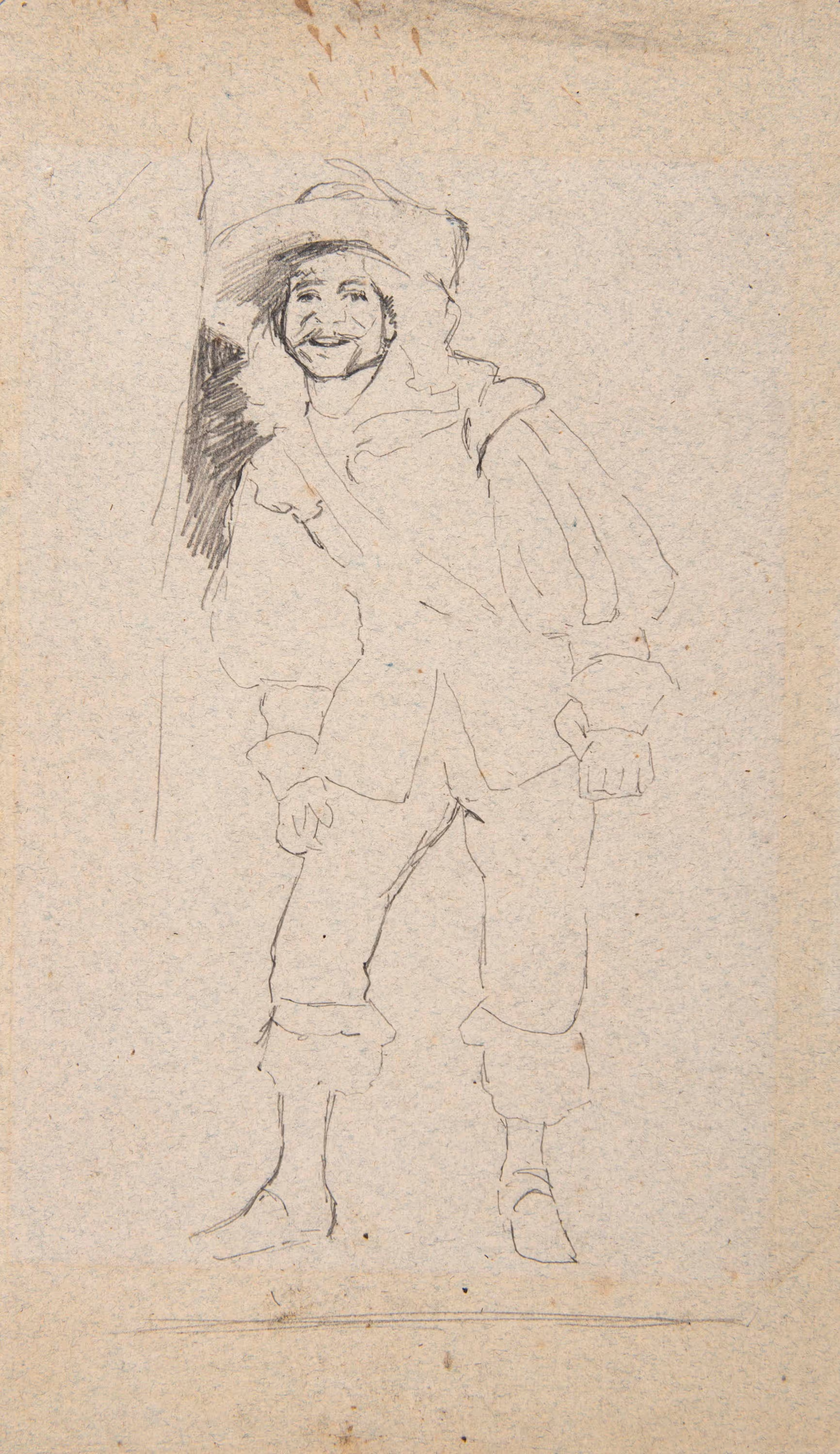
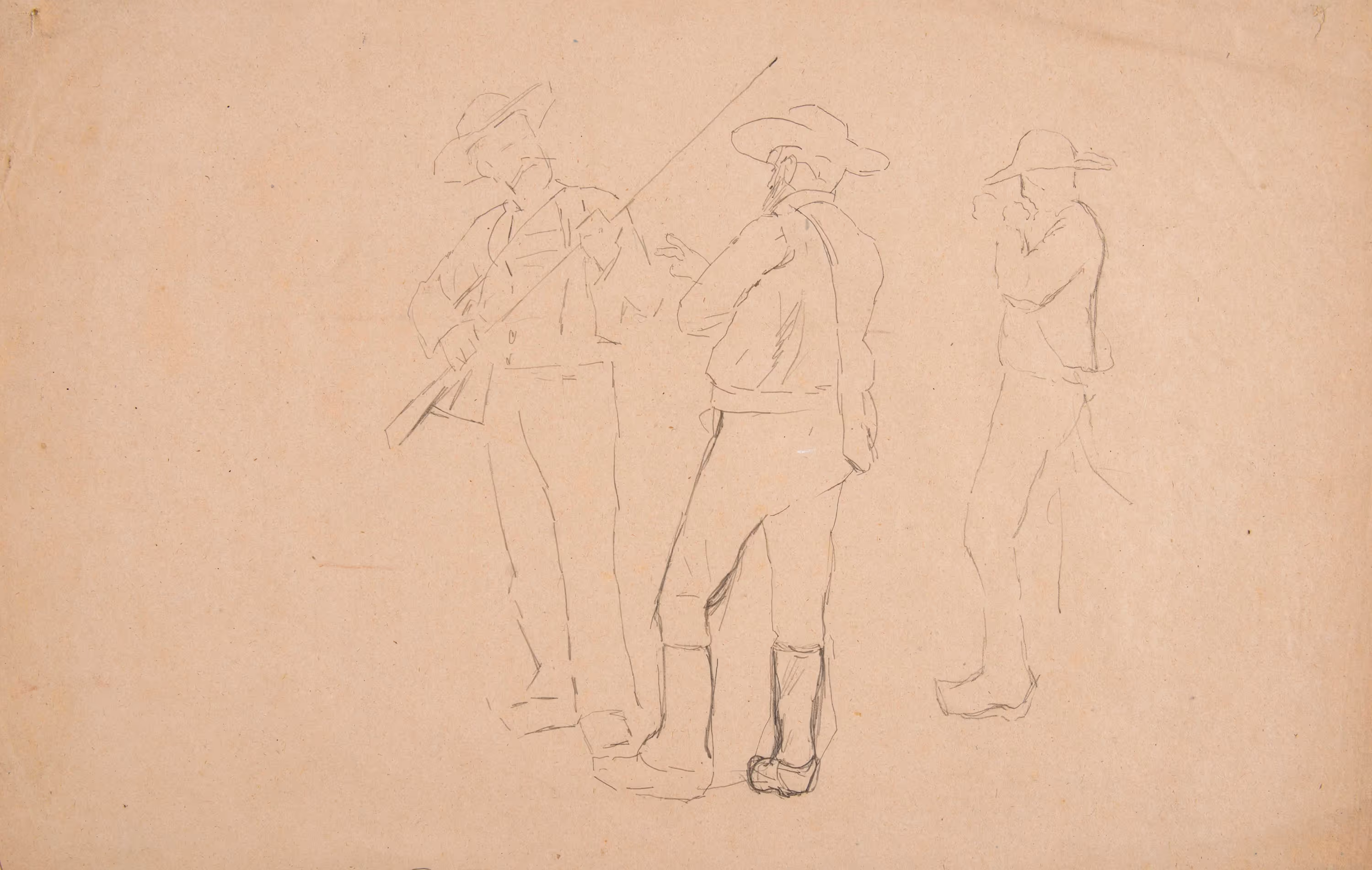
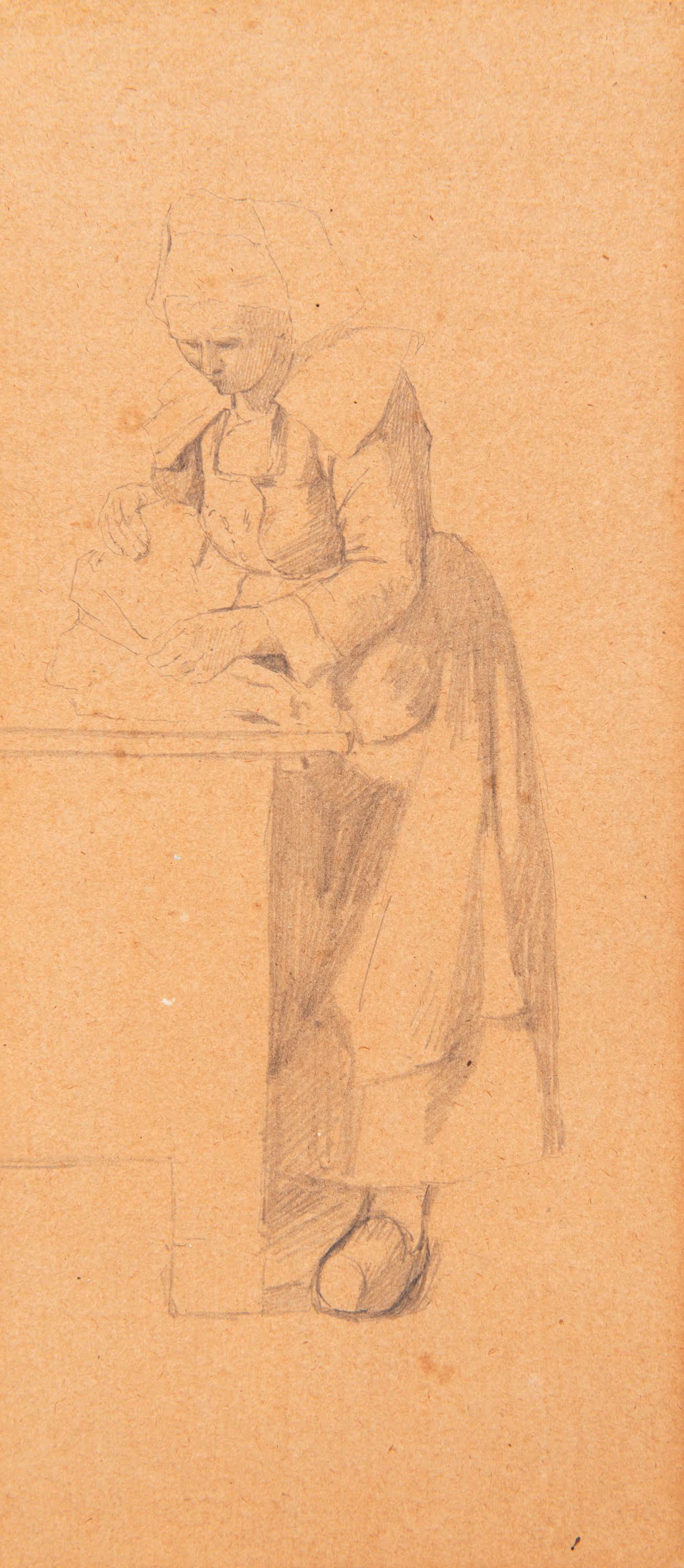
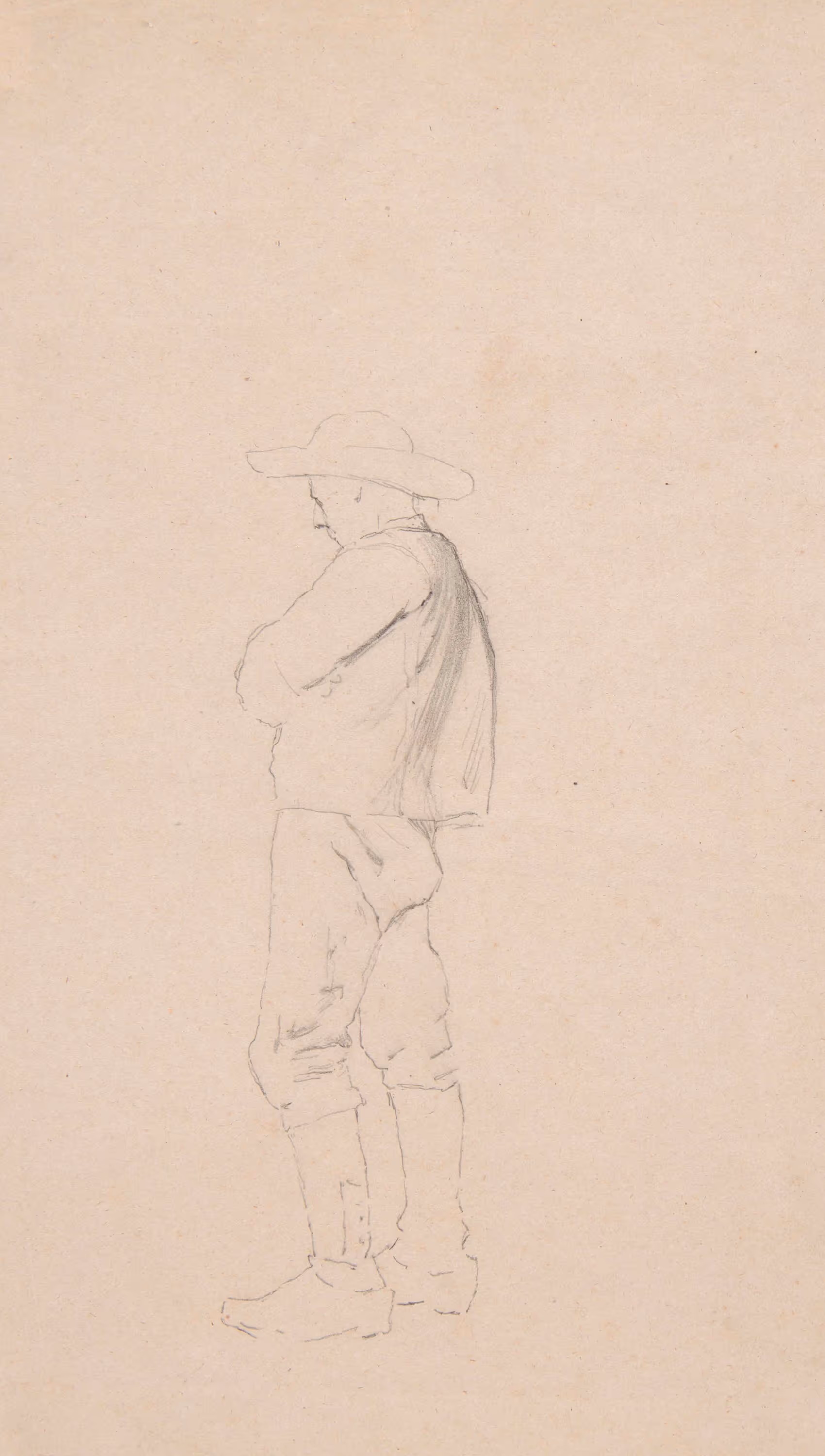
Thomas Hovenden moved to the Brittany village of Pont-Aven, France, after he completed his education at the École des Beaux-Arts in Paris. In the early 1800s, the town became popular with French artists enchanted by its “primitive” ways. They were also drawn to the legendary gray skies of Brittany, which made forms and colors clearer and sharper to the eye.
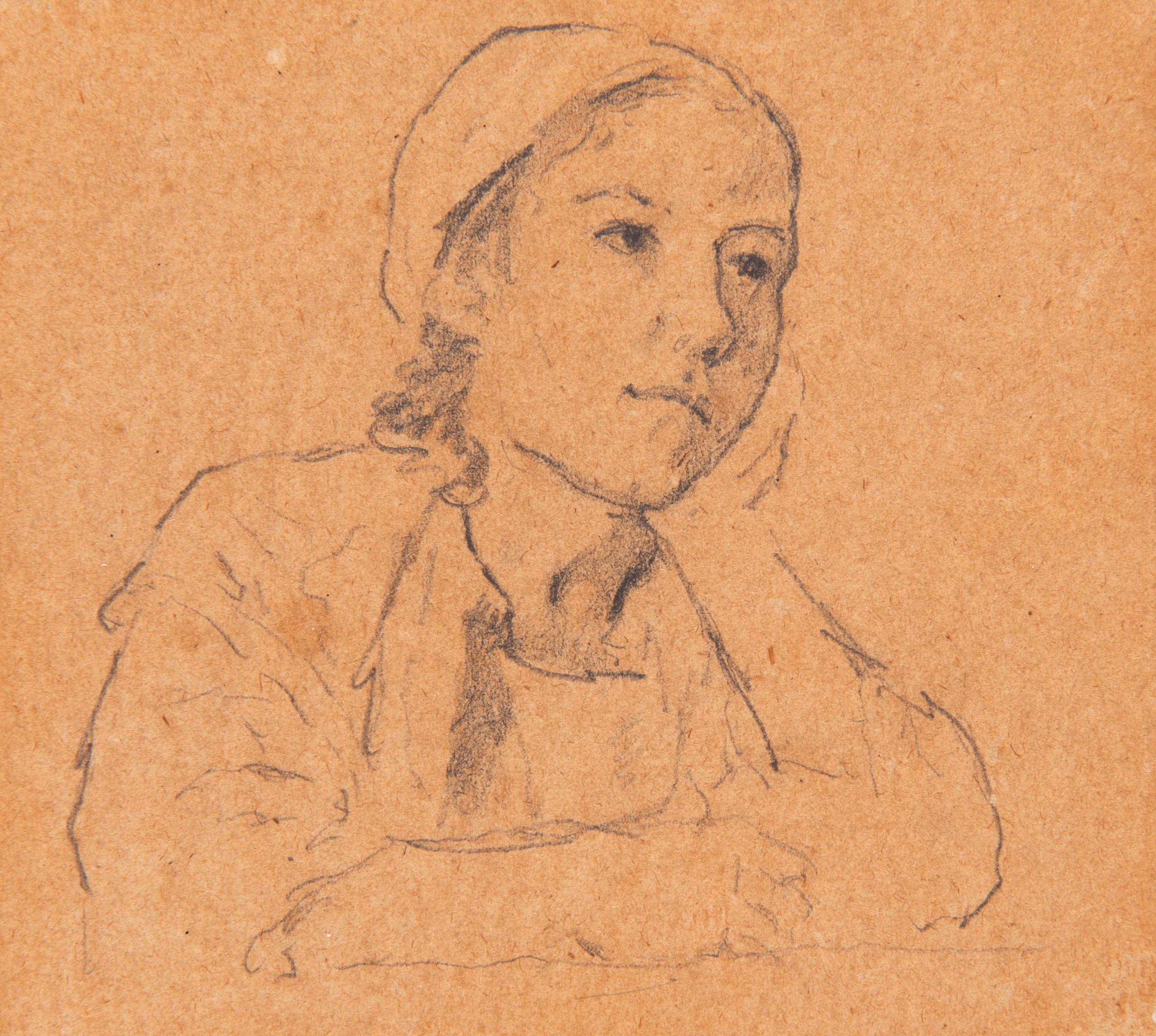
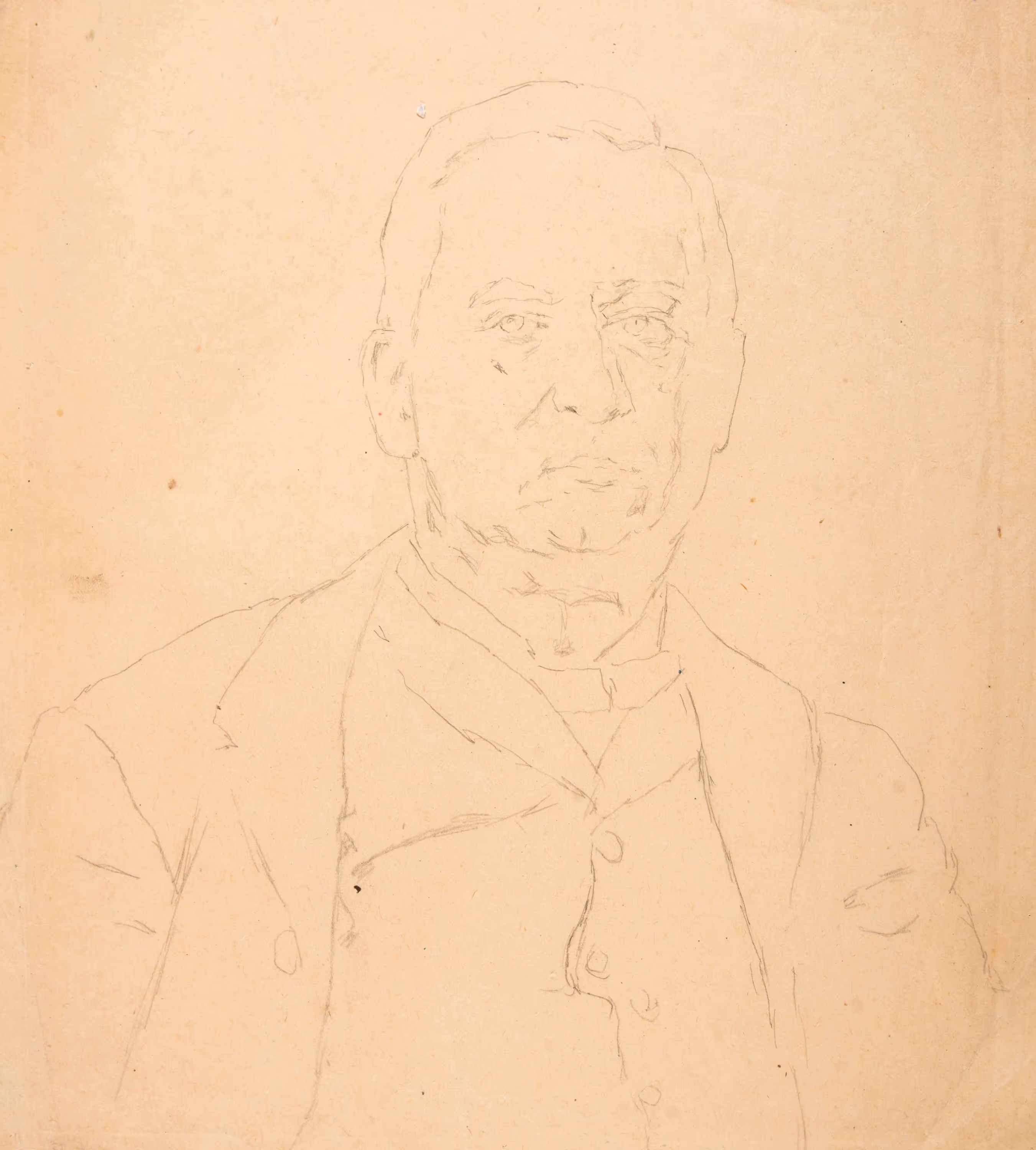
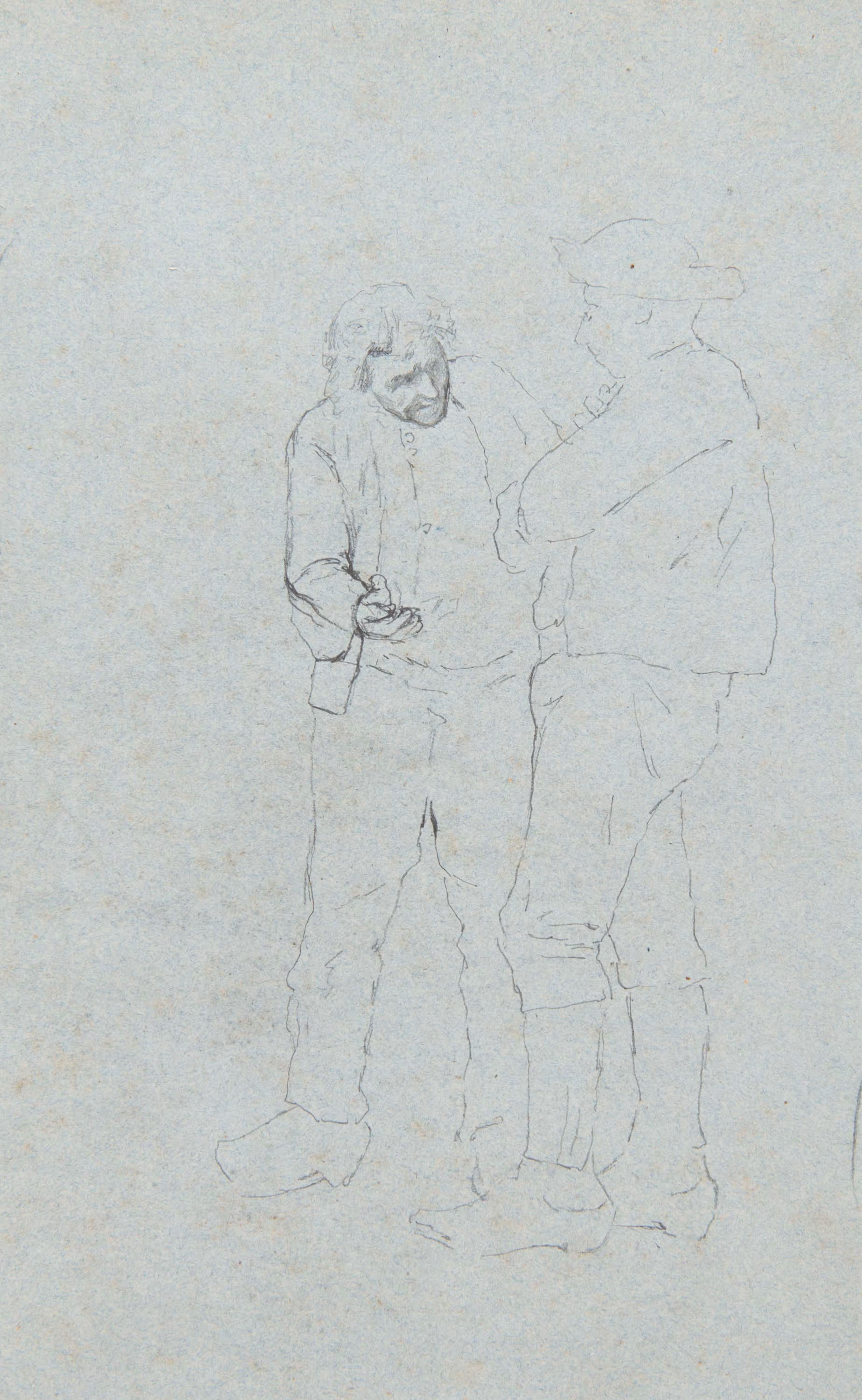
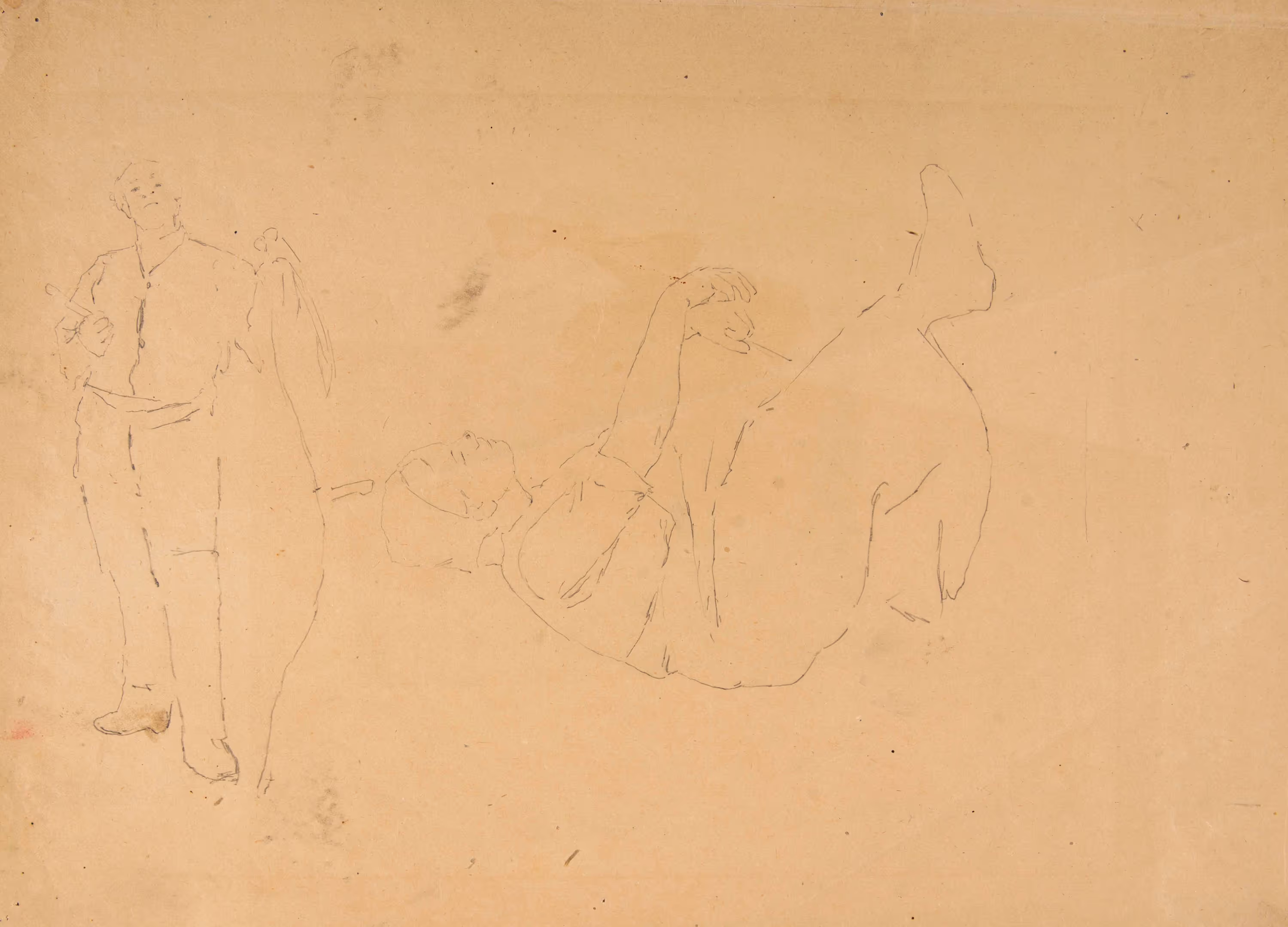
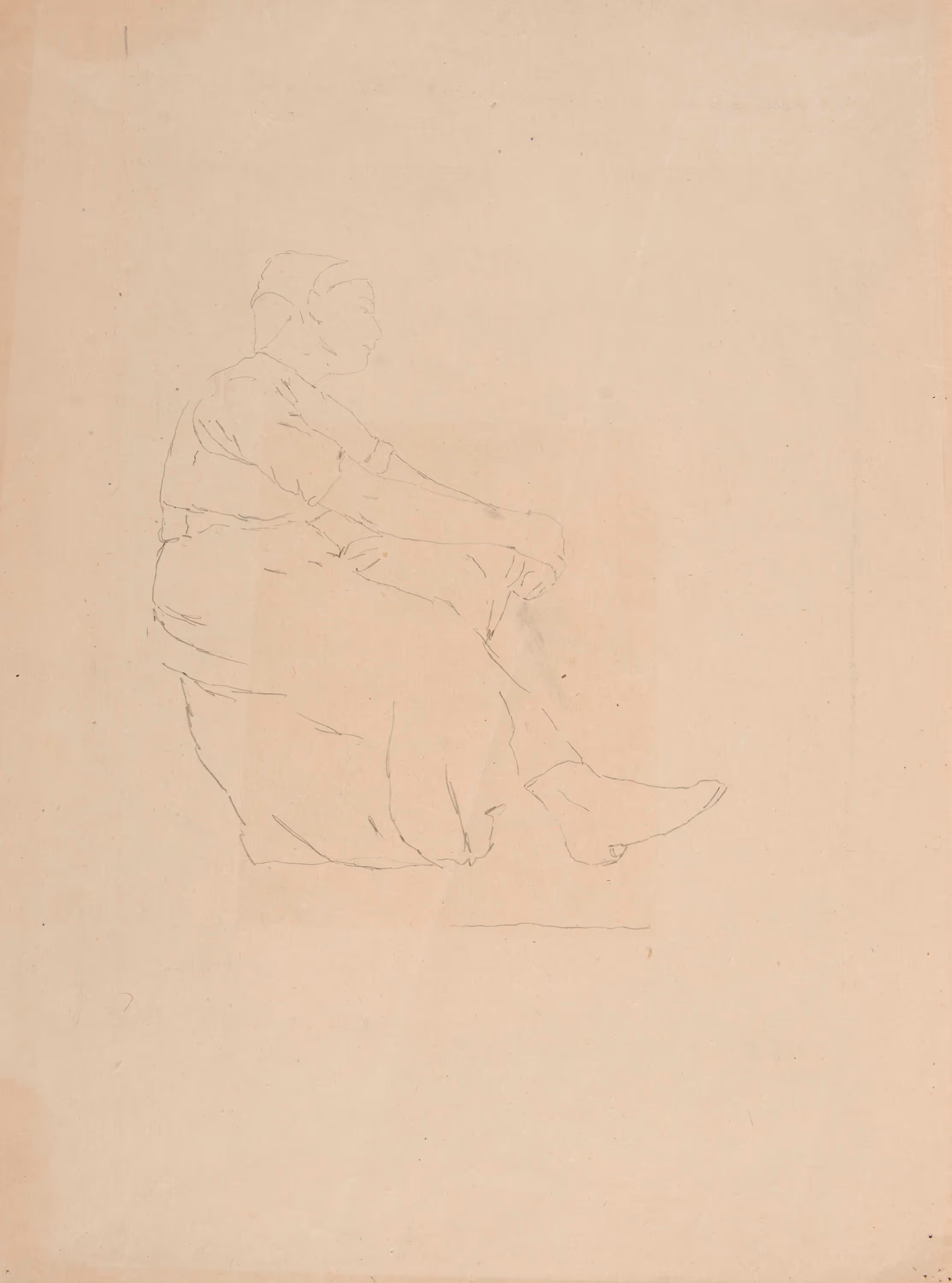
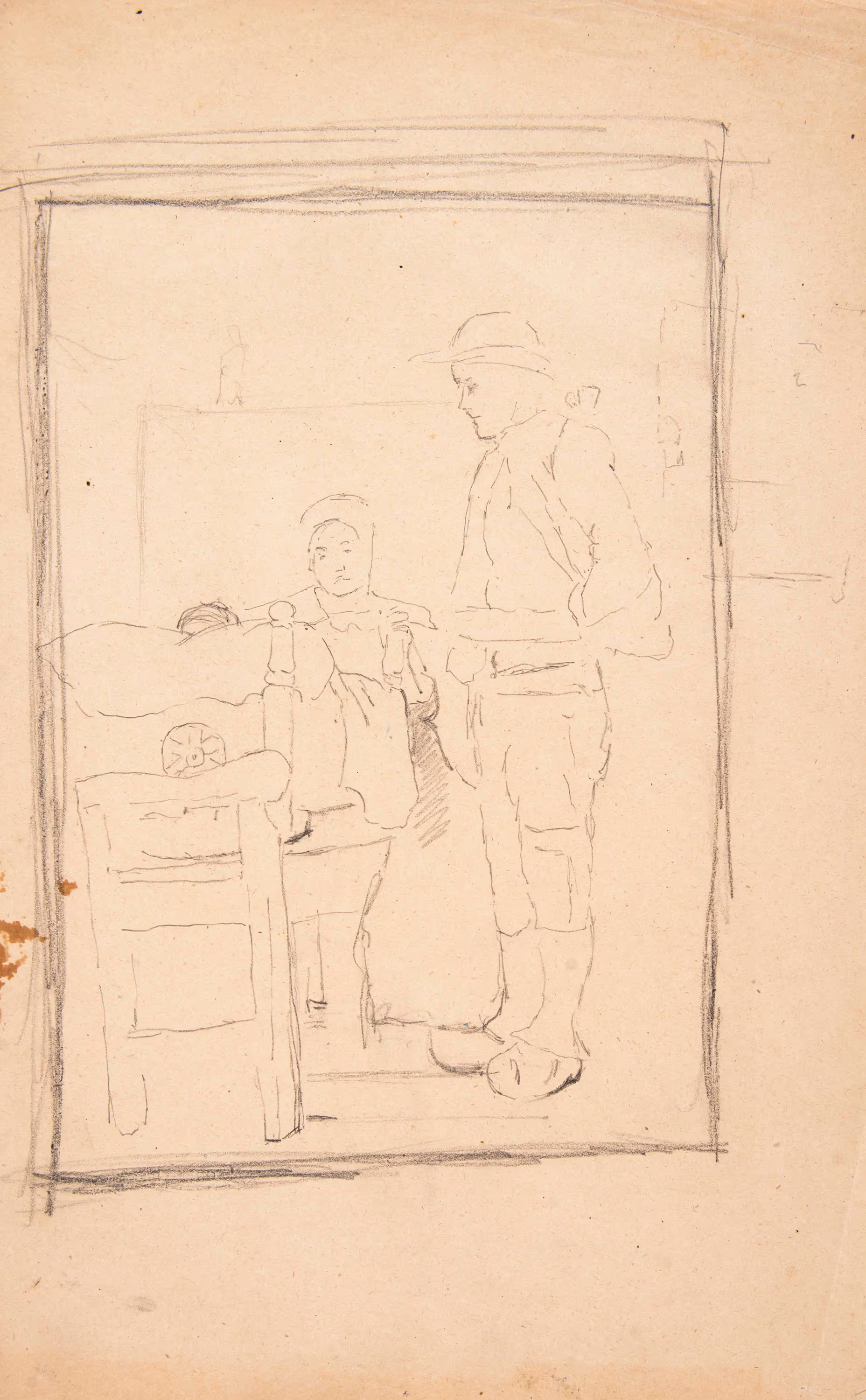
When Hovenden arrived in Pont-Aven in 1875, he worked alongside other American artists like Robert Wylie, William Lamb Picknell, and his future wife Helen Corson. The painters enjoyed cheap accommodations, an endless supply of willing models, and temperate weather that allowed them to paint outdoors most months of the year. Hovenden captured these two Breton figures, a man and a woman, in a linear and unfussy sketch.
[Back]
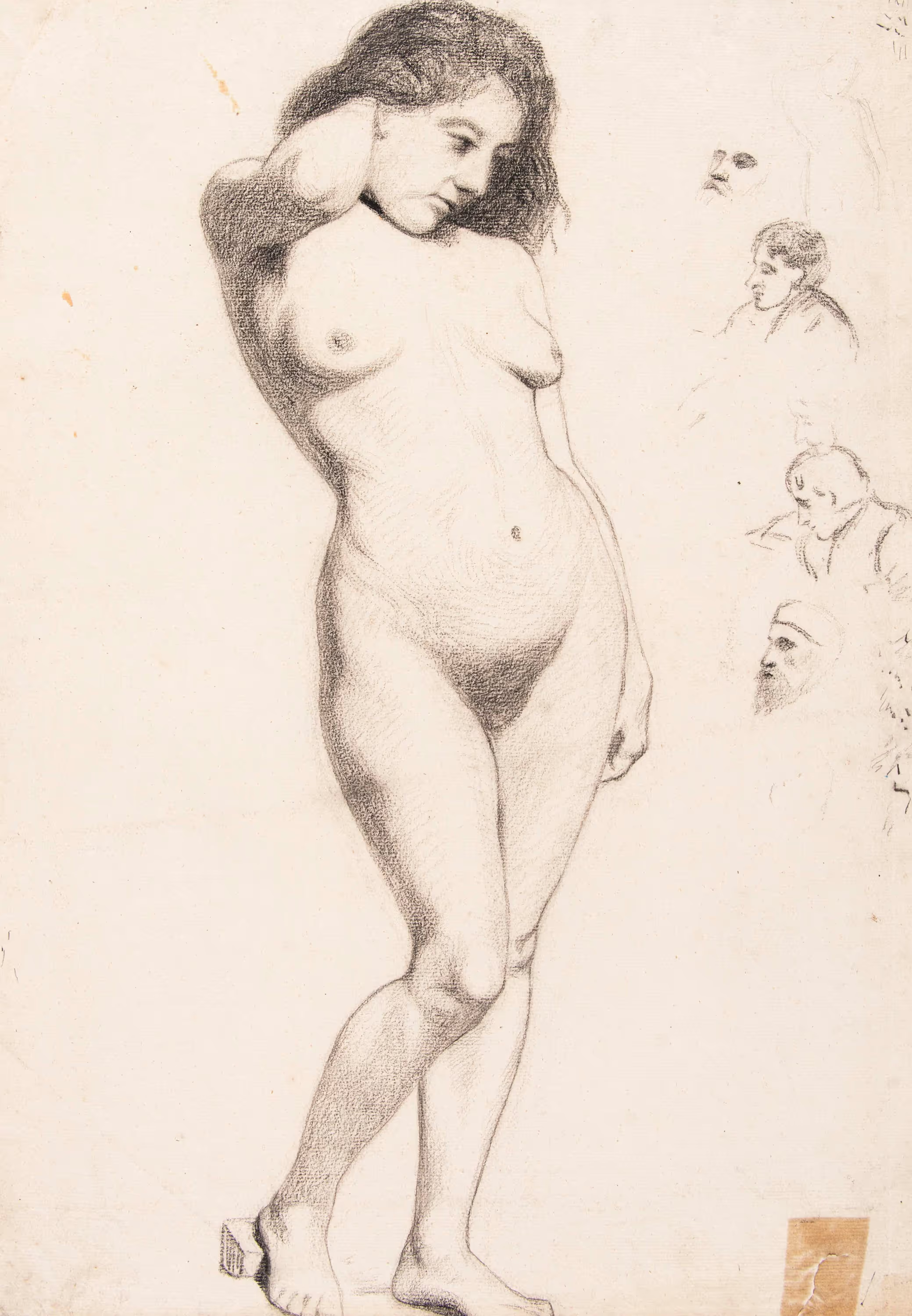
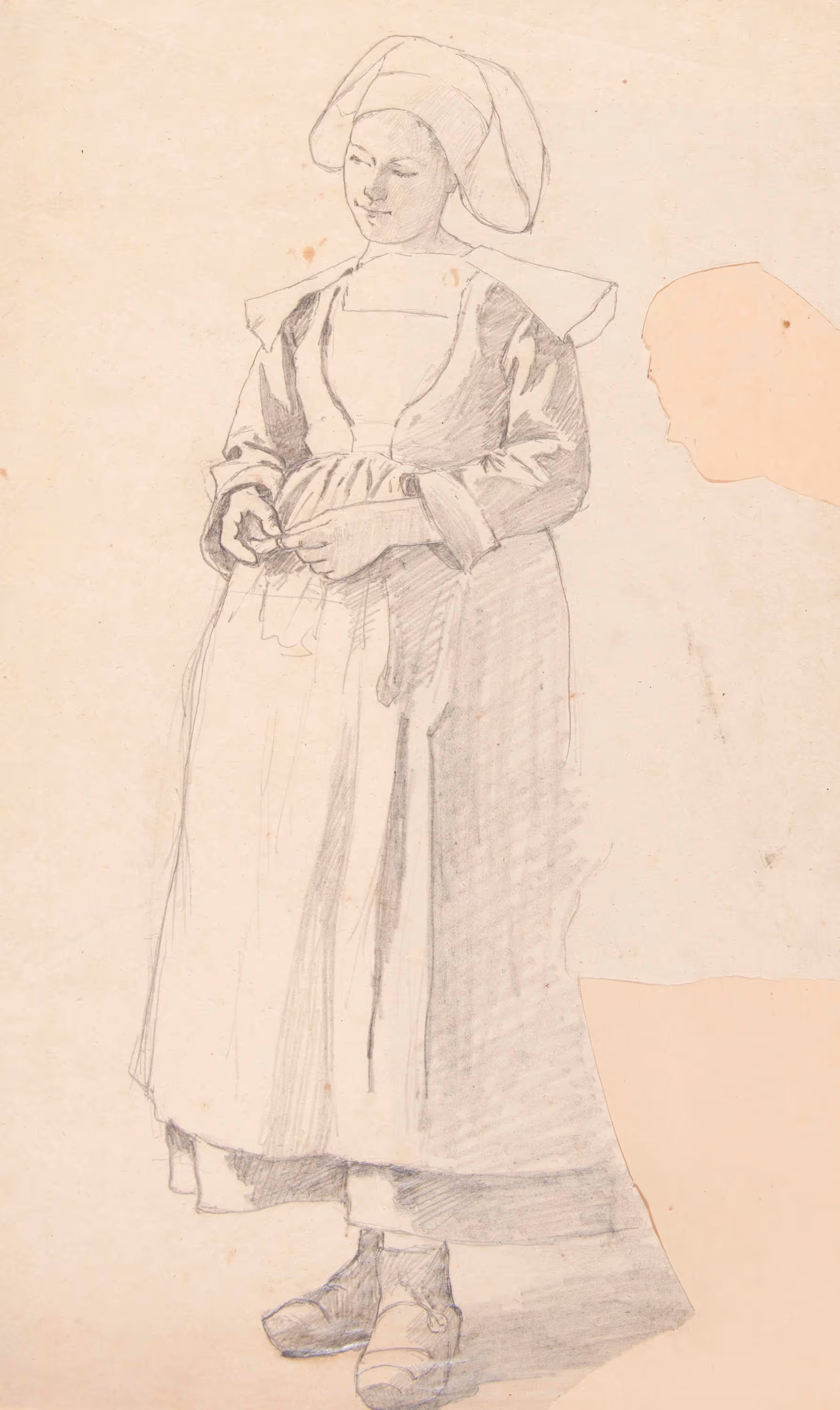
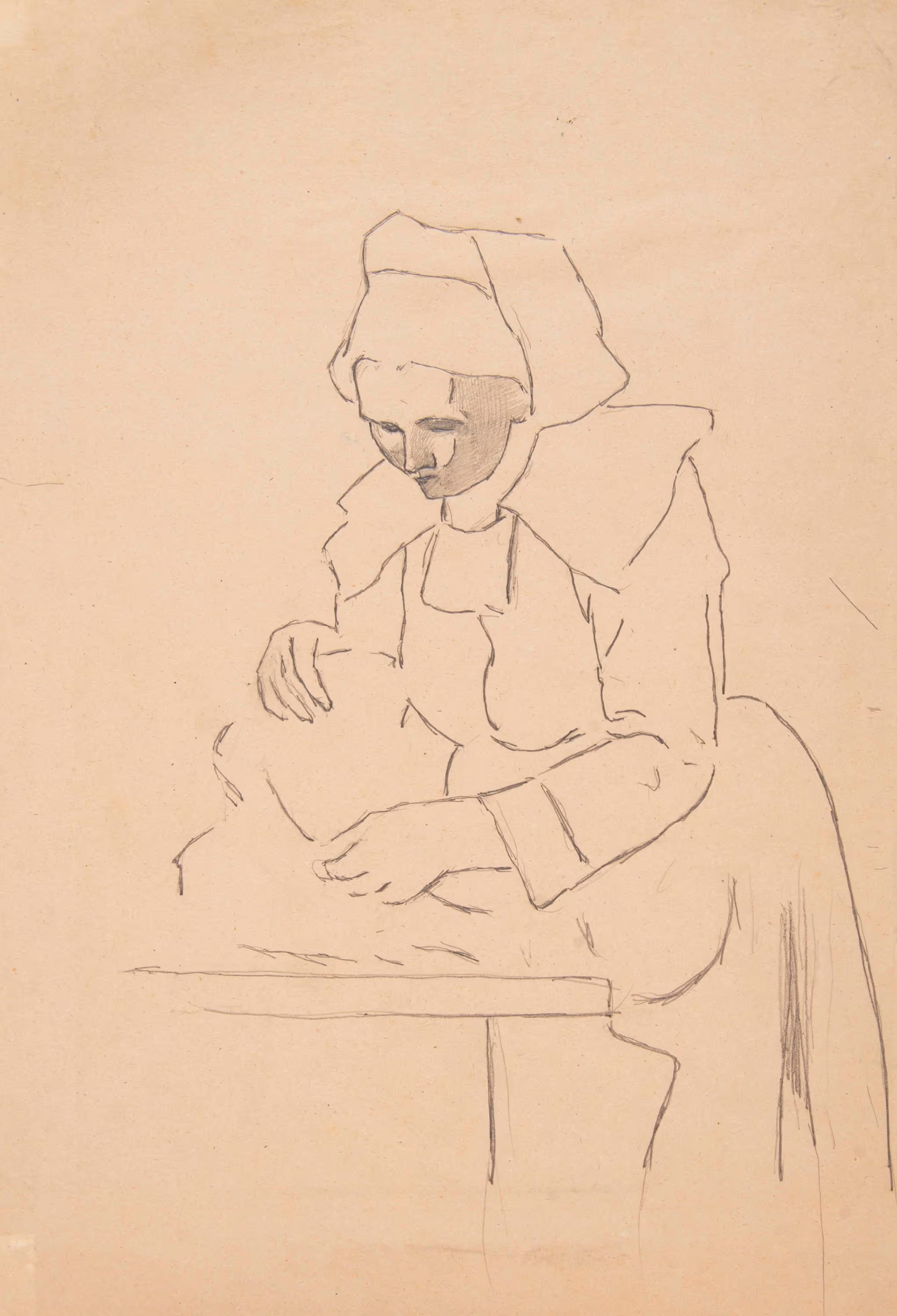
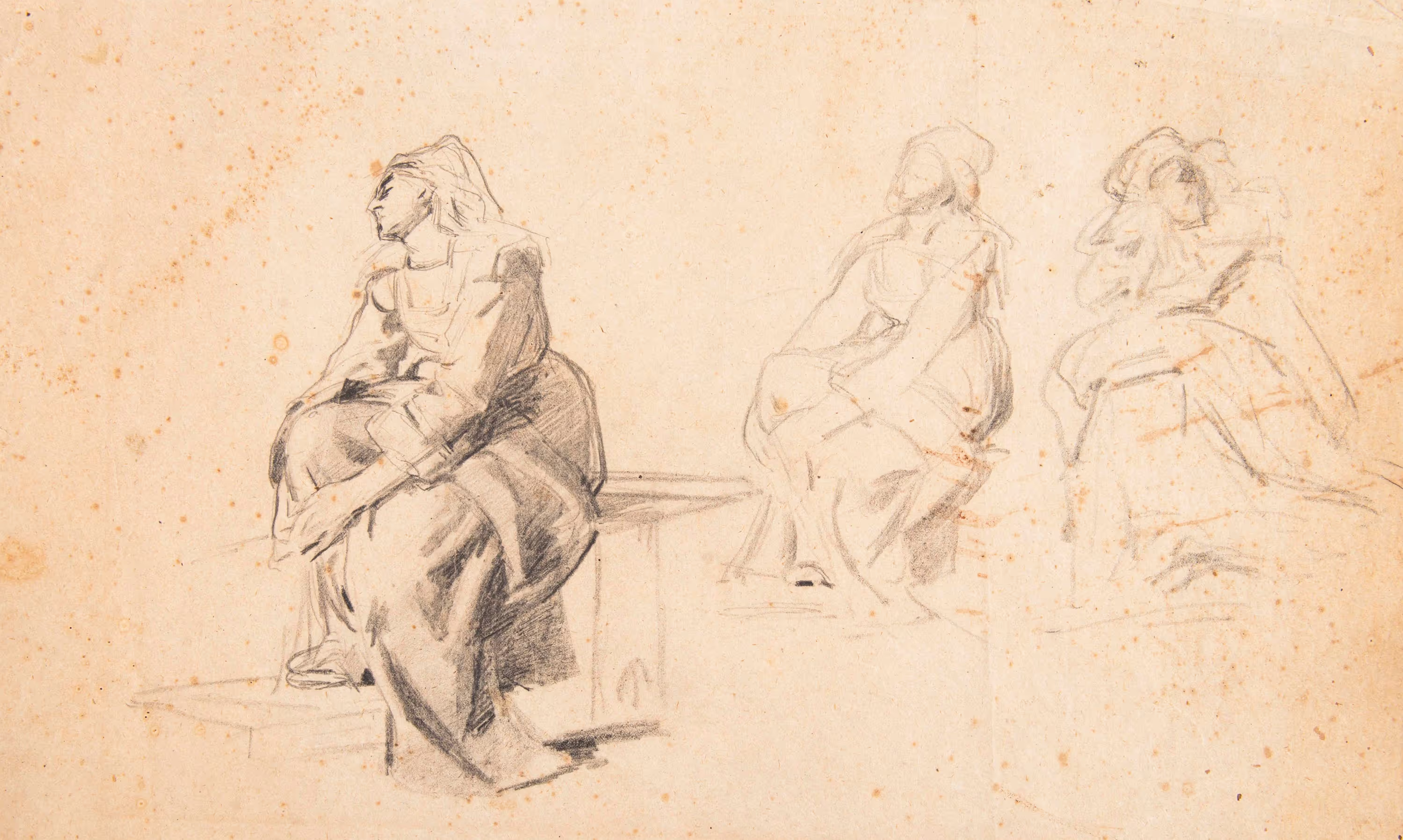
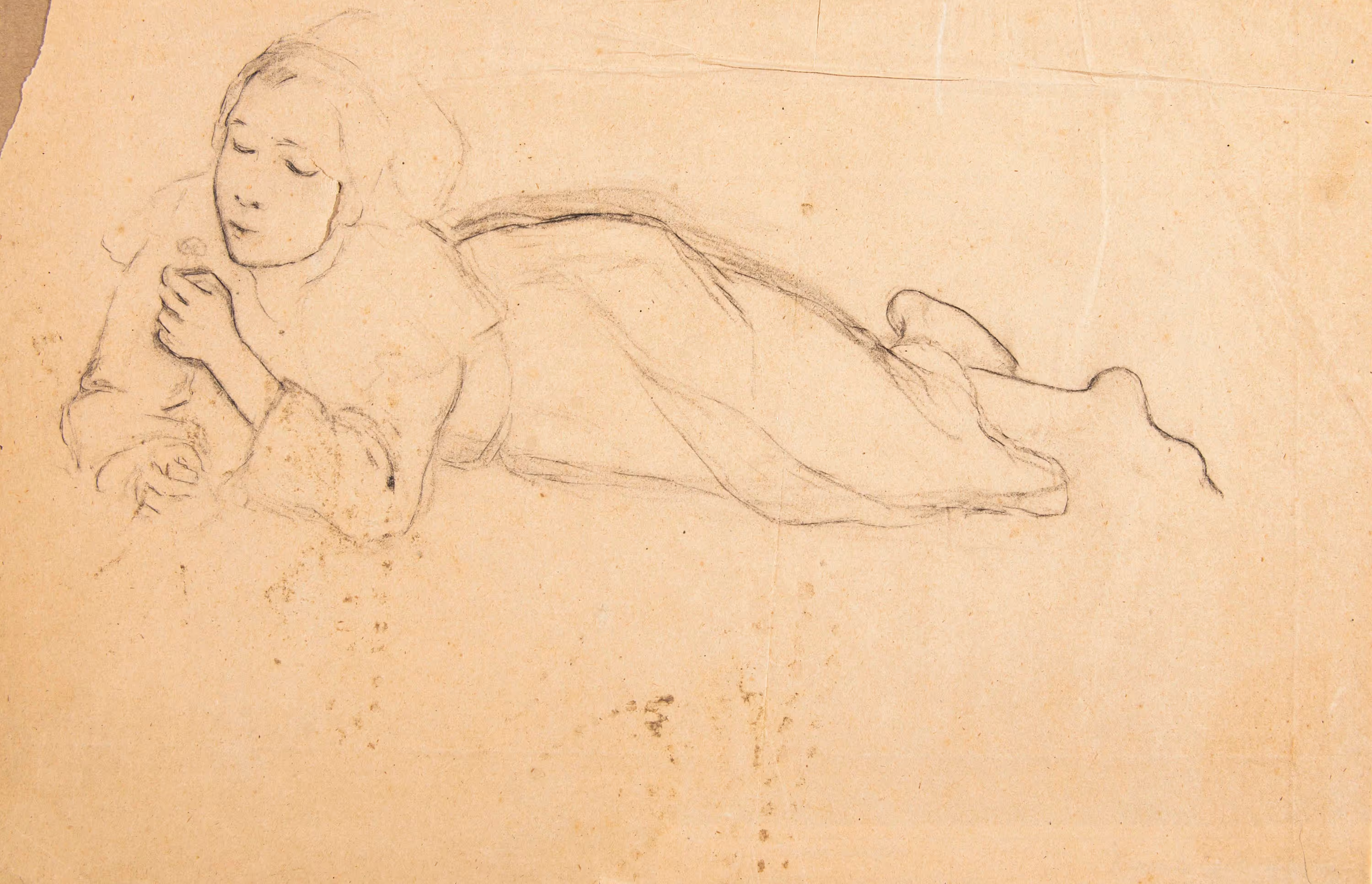
Study of a Figure of a Woman, date unknown
Graphite on paper, 16 ¾ in. x 12 ½ in.
Woodmere Art Museum: Gift of Mr. Stiles Tuttle Colwill, 2018
From 1875 to 1878, while living in the small village of Pont-Aven, in Brittany, France, American artist Thomas Hovenden painted a number of works featuring local Breton women. He wanted to convey their traditional values and simple lives in his genre scenes. They typically wore a headdress, bodice, skirt, apron, and sabots (a type of shoe). Hovenden wanted his images of these women to evoke a nostalgic, romanticized vision of the peasants as uncorrupted by the modern world.