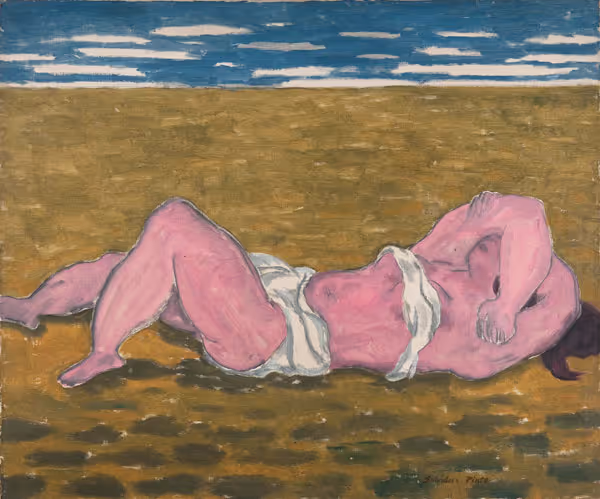
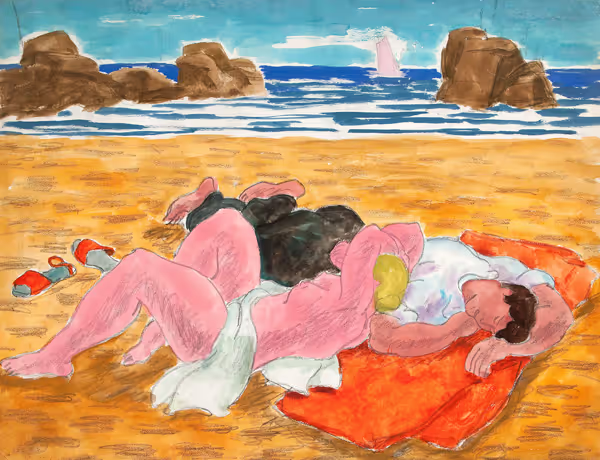
Pinto painted Woman on a Beach while he was in France, demonstrating his adaptation of aspects of the nudes painted by Henri Matisse, whom the artist met during his visit: the sinuous line, bright pink color, and simplified, flat forms. Pinto’s figure crosses her arms over her face, blocking out the intense sun. Her voluptuous figure is framed by the stylized patterns of the sand below and the sky above.
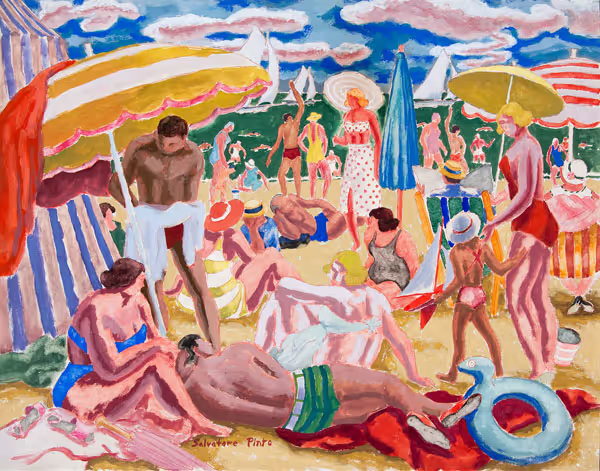
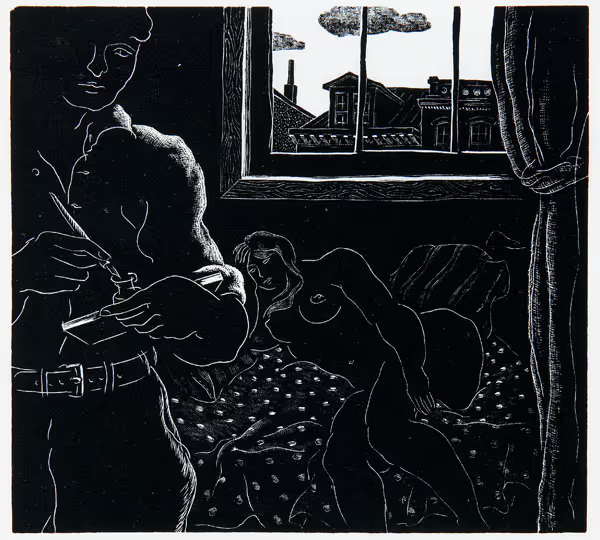
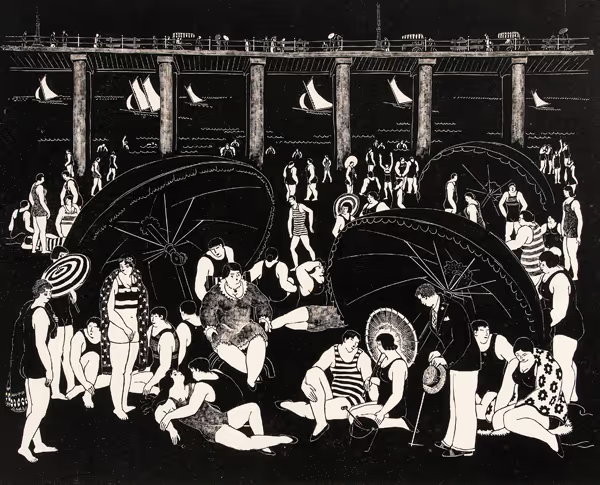
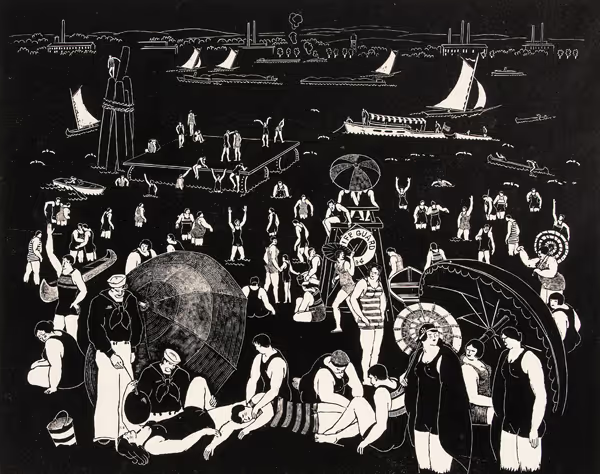
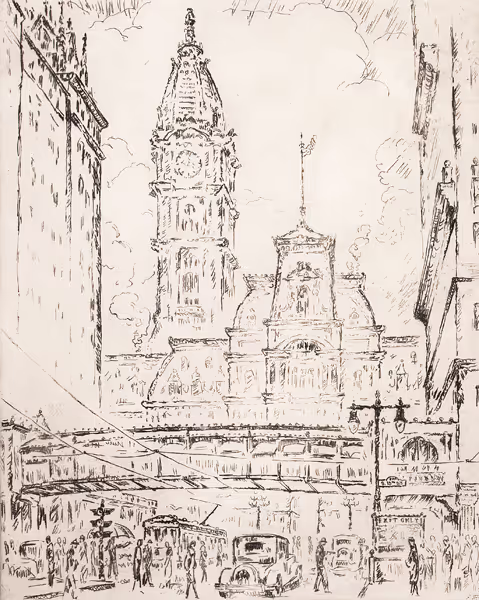
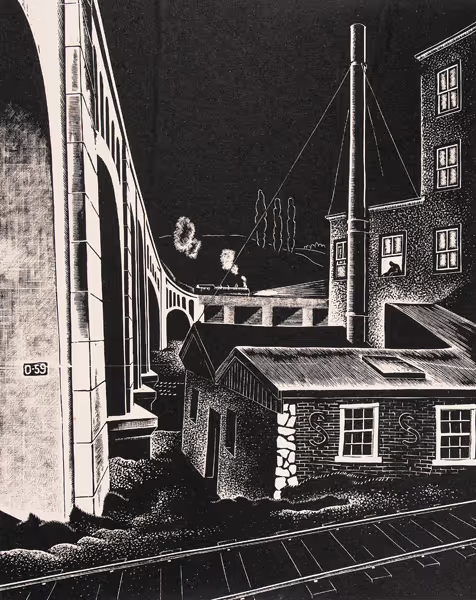
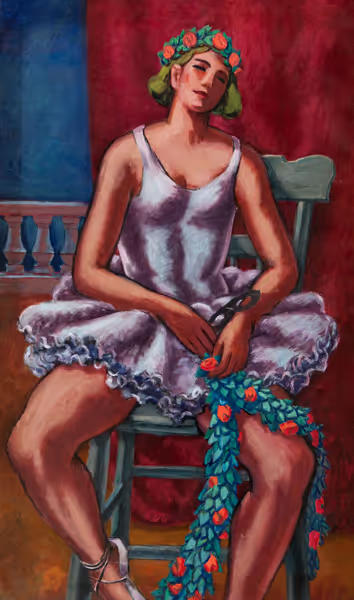
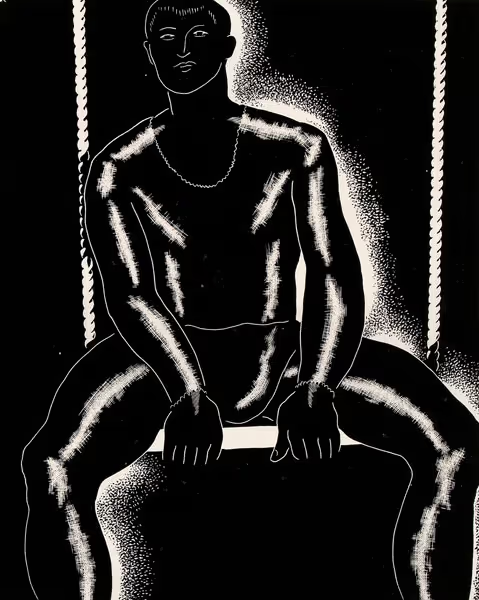
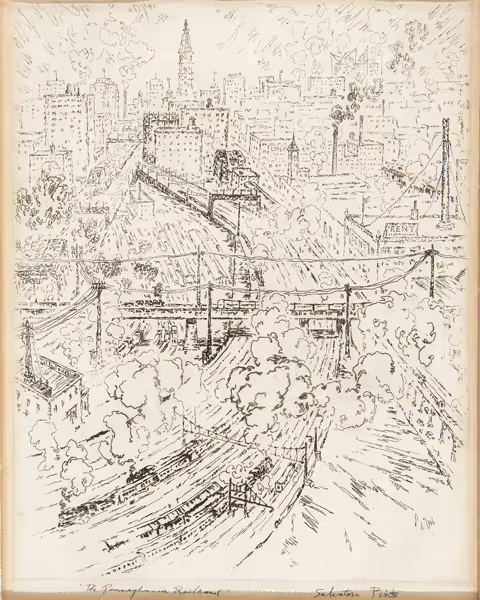
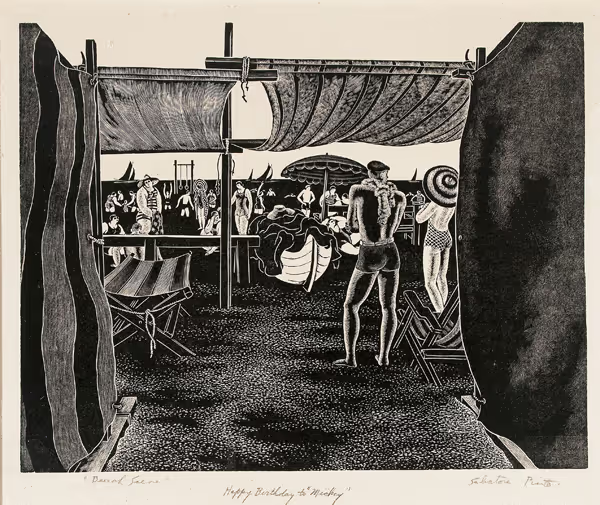
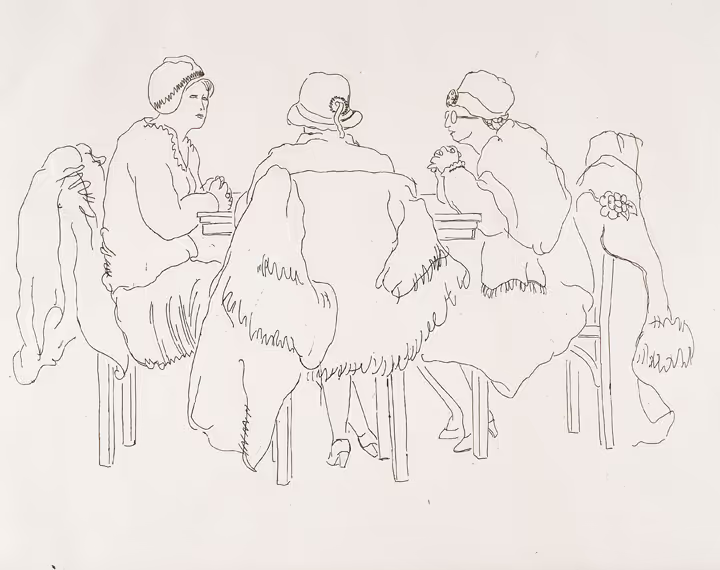
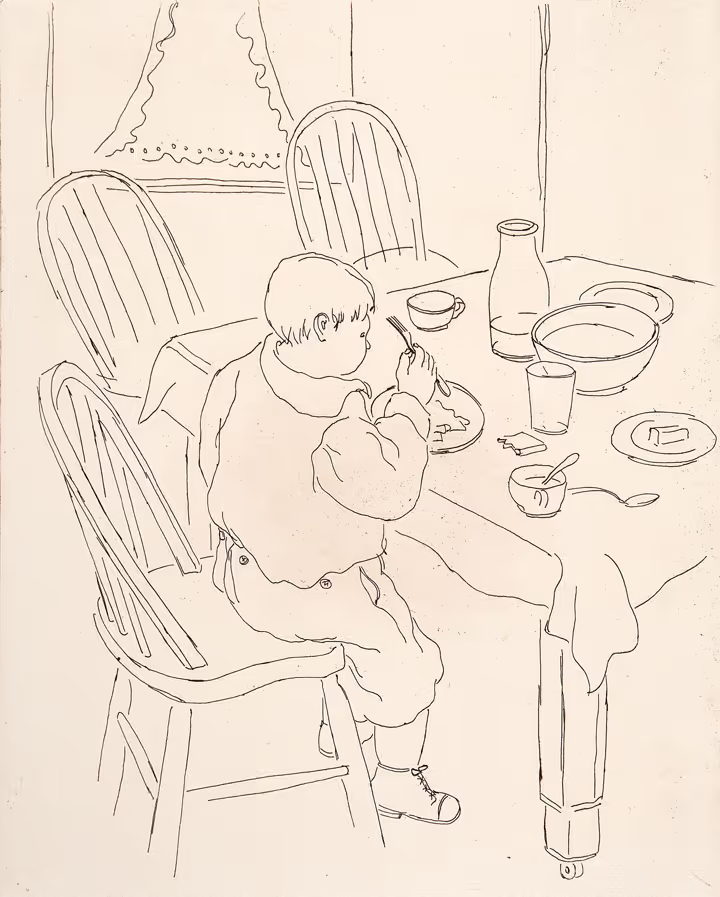
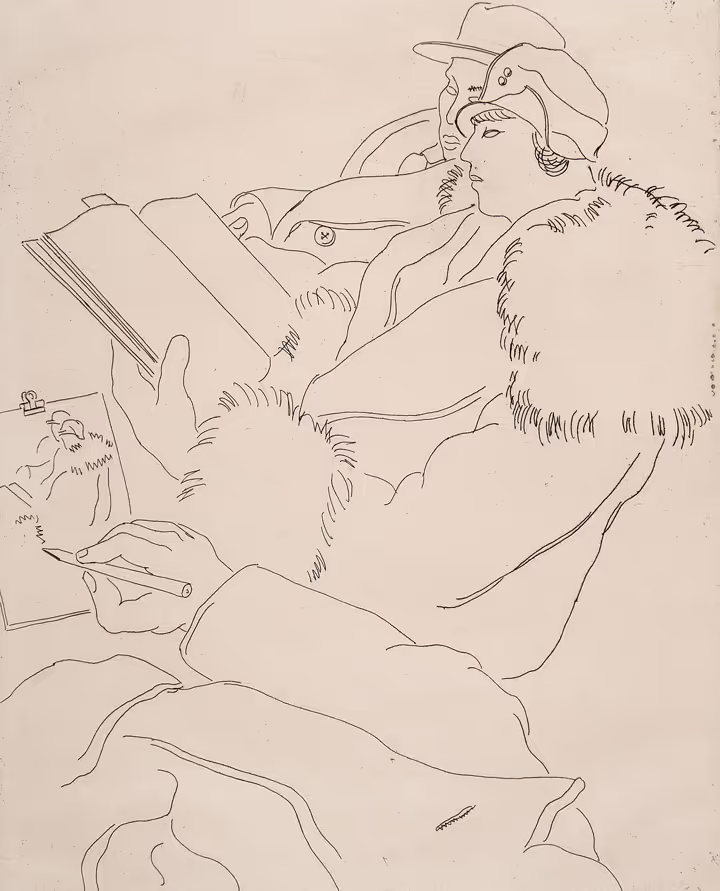
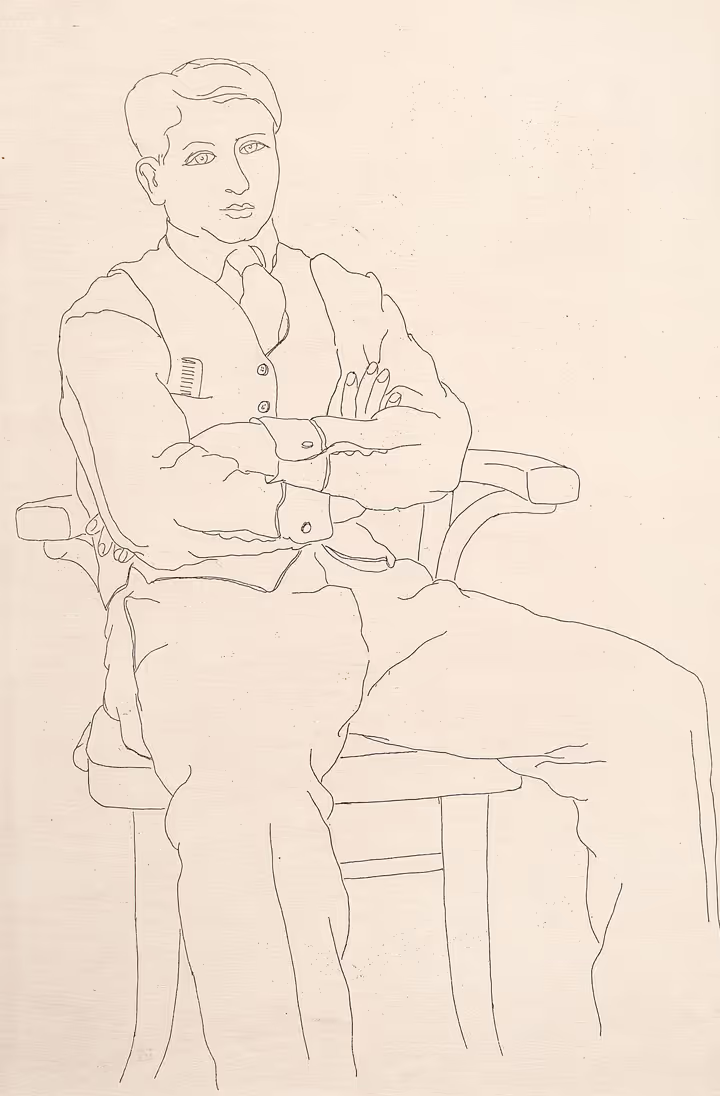
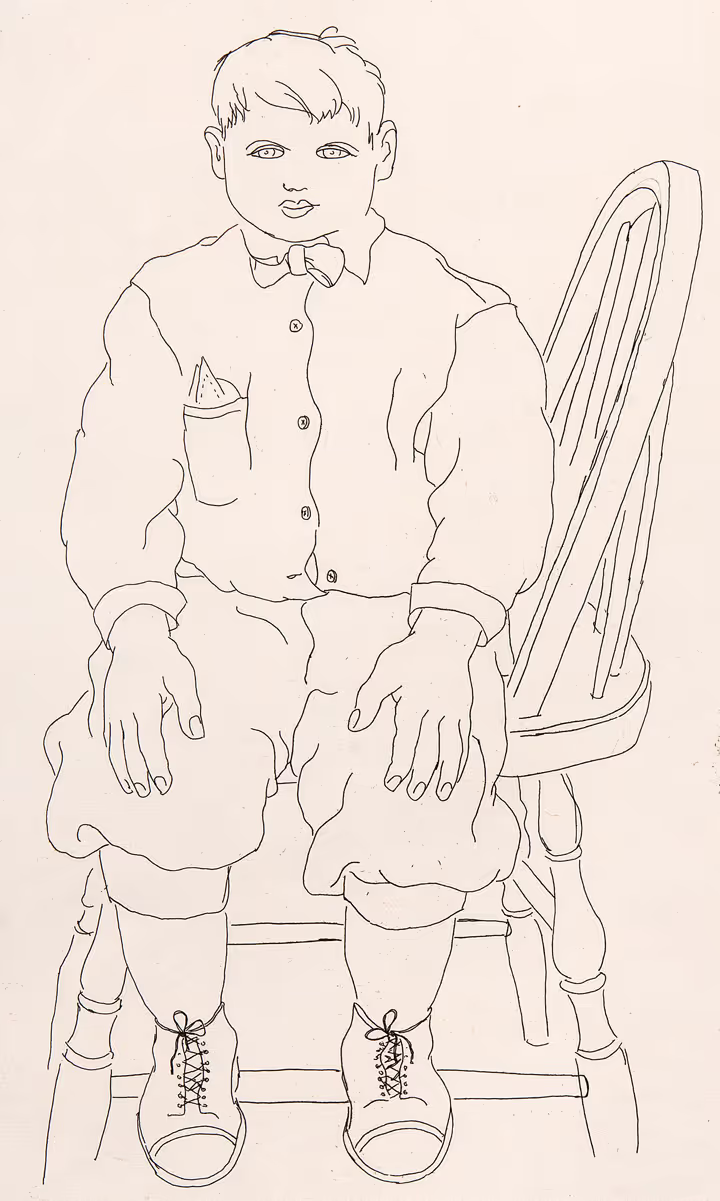
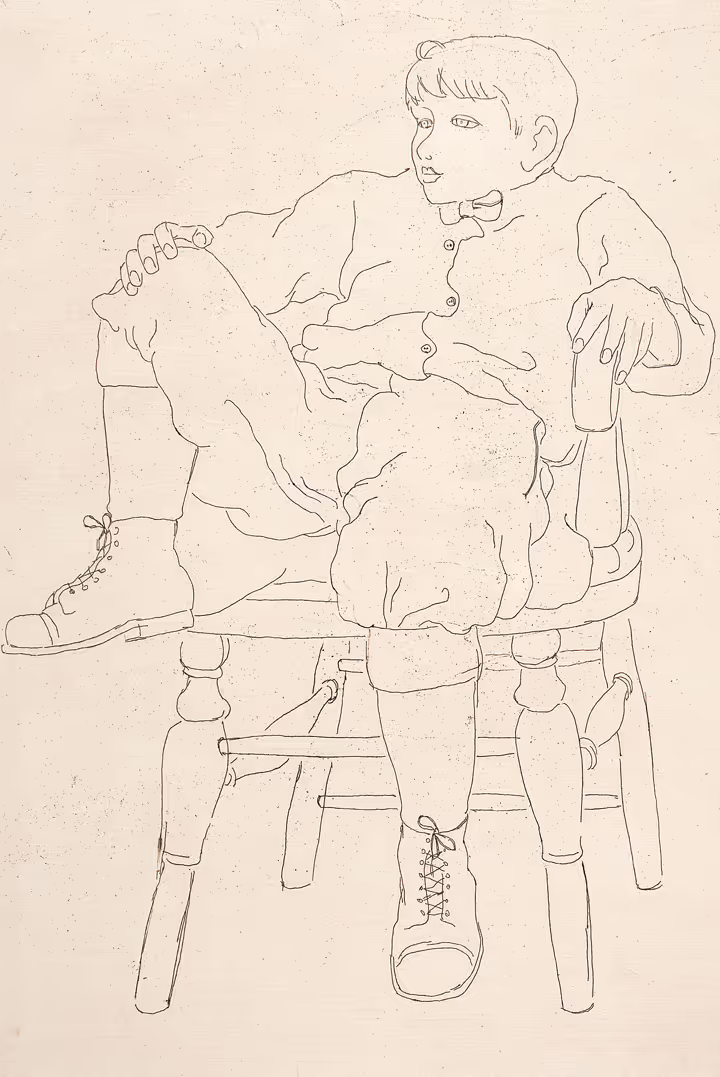
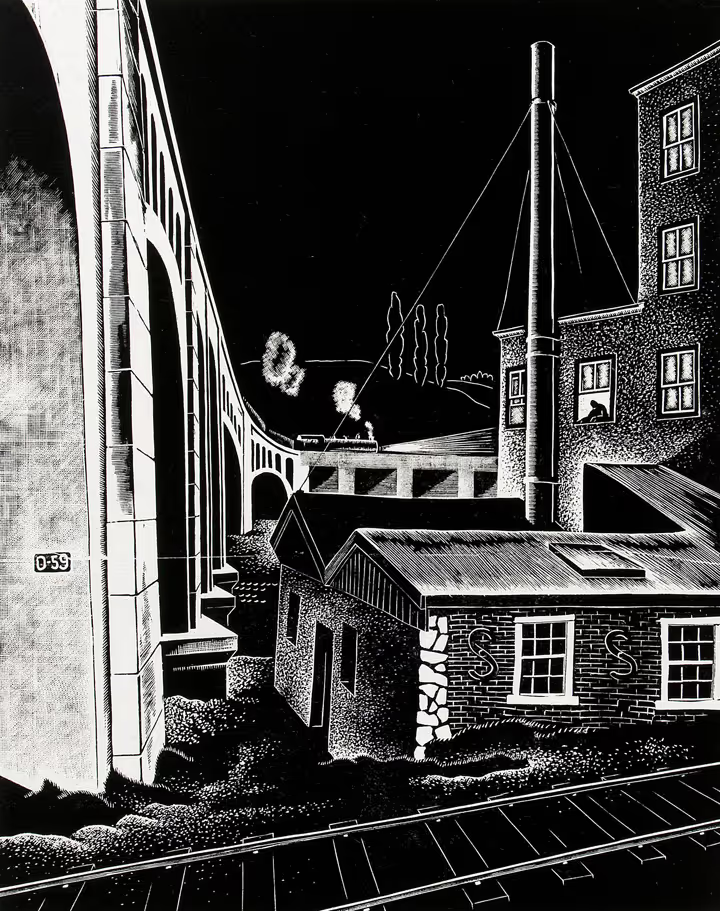
Pinto was part of a family of artists who emigrated from Italy to Philadelphia in 1909. He studied at the Pennsylvania Museum and School of Industrial Art (later the University of the Arts), the Pennsylvania Academy of the Fine Arts (PAFA), and the Barnes Foundation, where he became a favored student of Albert C. Barness. By the late 1920s, Pinto was exhibiting in leading venues in Philadelphia, New York, Chicago, and Los Angeles. His international recognition grew in the early 1930s, when his work was shown at the Bignou Gallery in Paris and included in the Whitney Biennial. Pinto’s subjects ranged widely, revealing an artist who moved fluidly between media, motifs, and emotive content.

![[Untitled (Still Life)]](https://cdn.prod.website-files.com/68961b6b3189b29172d19dc9/691c6cbd1ab83645fa0fdfee_Piper_2007.32_WEB-1.avif)