Goodman, Eileen
Description
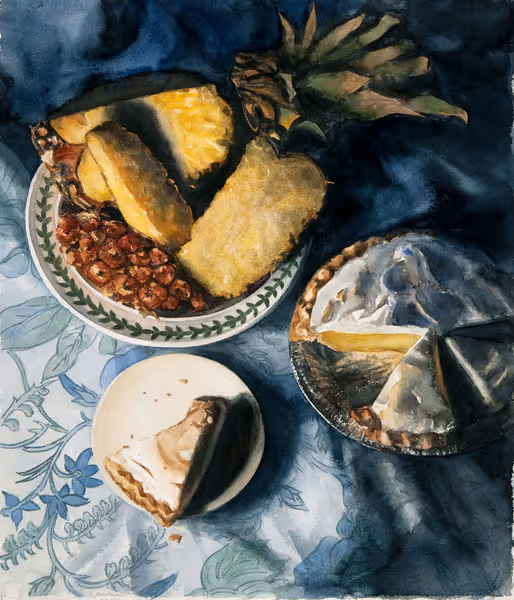
Eileen Goodman (1937 - ) never thought she would be a painter. Growing up in Montclair, NJ, she always drew a lot but was “pretty naive about painting.” Choosing illustration as a career, she attended what was then called the Philadelphia College of Art (now University of the Arts), which didn’t even have a major in painting. However, the faculty included a few serious painters (Morris Berd, Larry Day, Paul Keene, Jerome Kaplan, and fellow student and former husband Sidney Goodman), whose independent artistic expression suggested other paths. After a brief period developing a portfolio of commercial work, she followed in their creative footsteps.
Putting down roots in Philadelphia, Goodman joined an art community in a city with an artistic legacy reaching back to our nation’s earliest days. Established in the early nineteenth century in this city, the Pennsylvania Academy of Fine Arts nourished a tradition of uniquely American realism, defined by such notables as the Peale family, Thomas Eakins, and The Eight. Today realism is as much a part of Philly as the Liberty Bell, cheese steak, doo-wop, and Rocky.
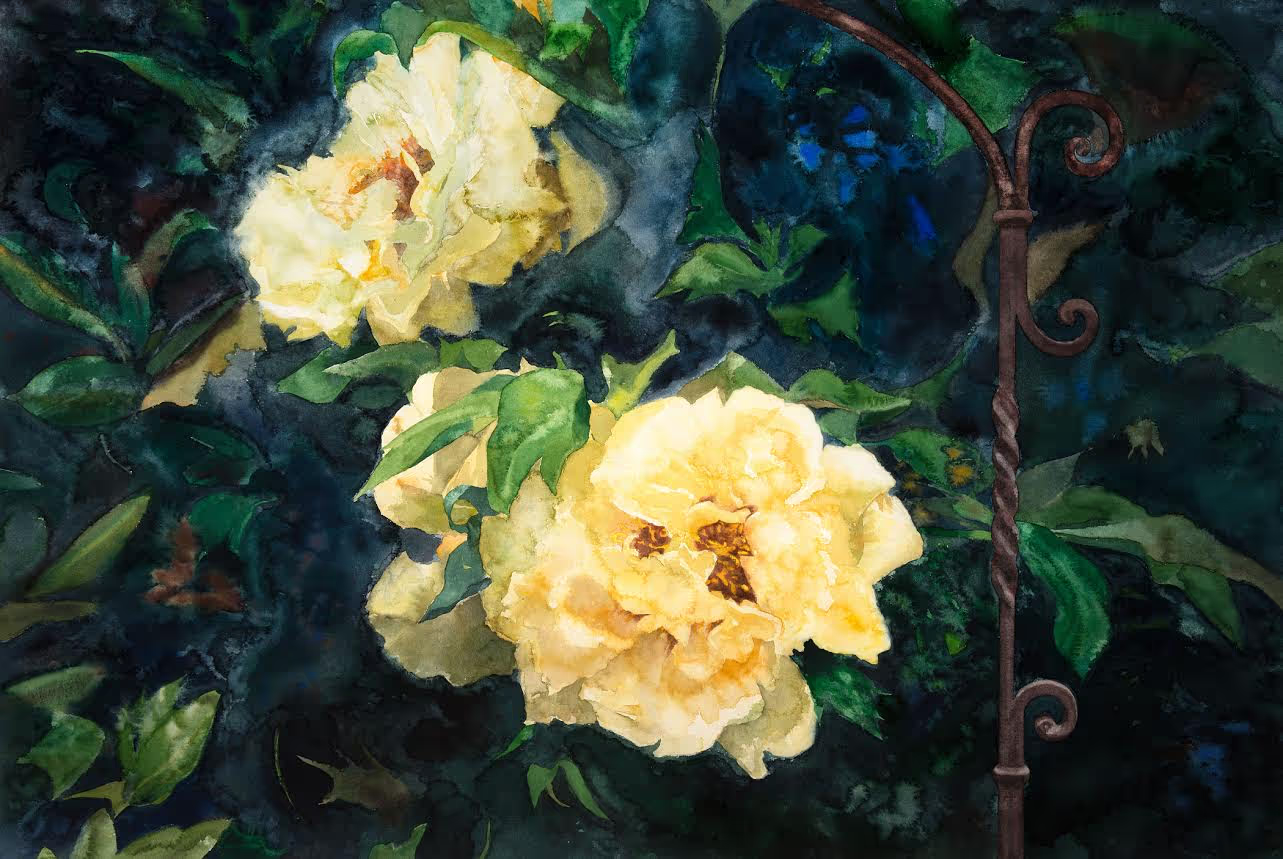
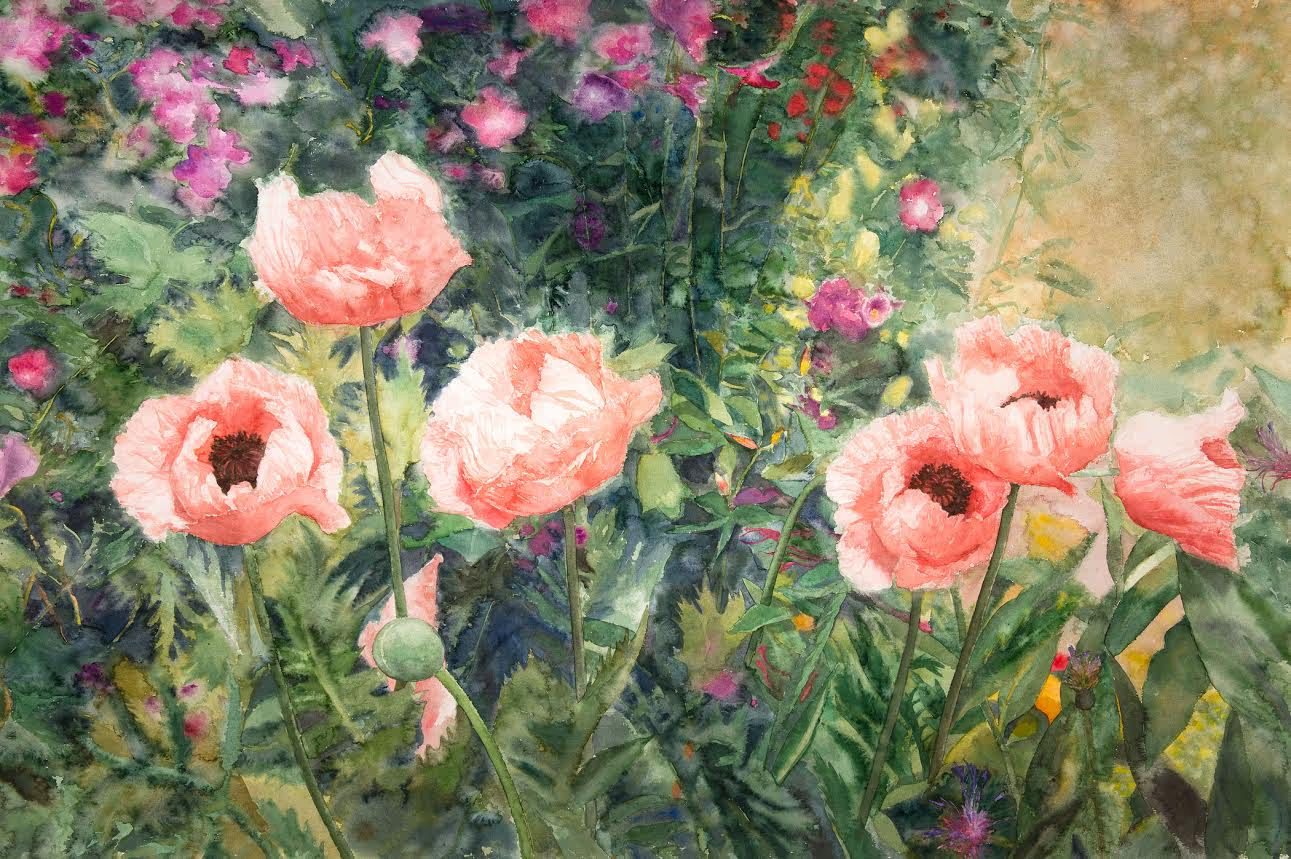
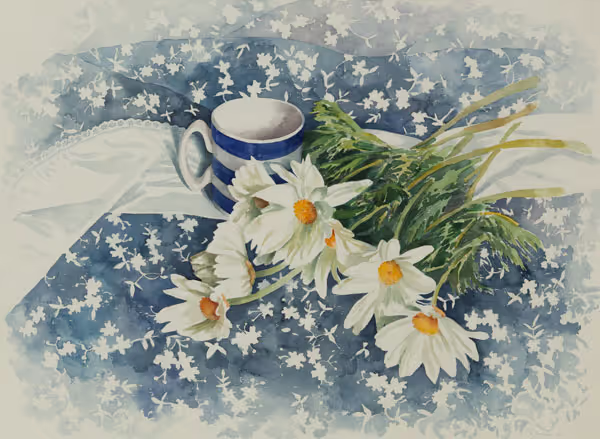
Experimenting with smaller watercolor versions of her oil paintings, Goodman was attracted to the work of Pennsylvania modernist Charles Demuth, who is well-represented in the Barnes Foundation collection in suburban Philadelphia. Perhaps she recognized a similar sensibility in the watercolors of an artist who had exceeded the boundaries of illustration. Vividly direct, Demuth combined a facility to describe form through outline with exuburant gesture and saturated color.
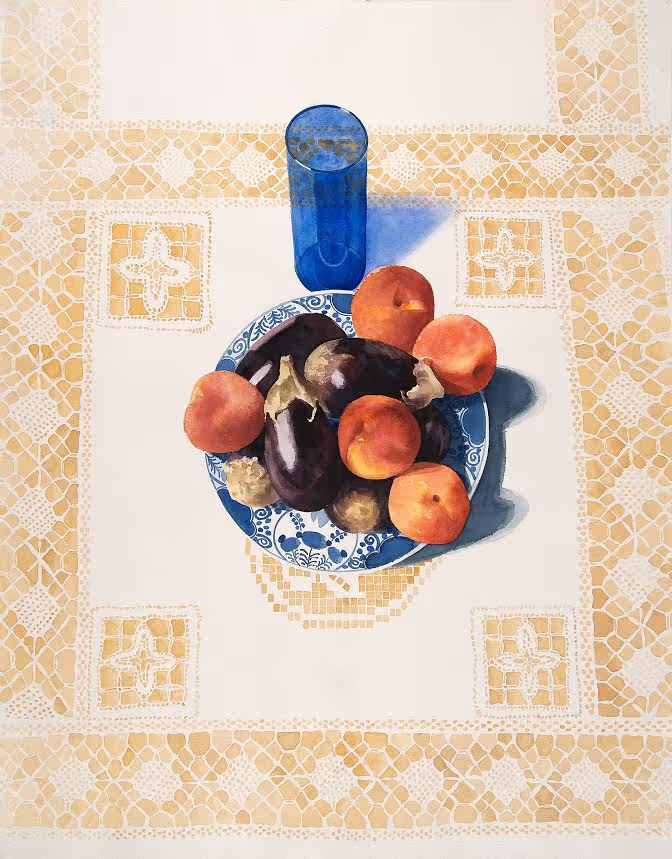
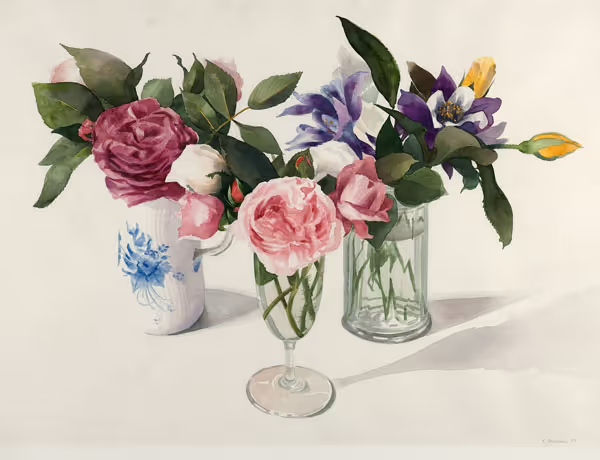
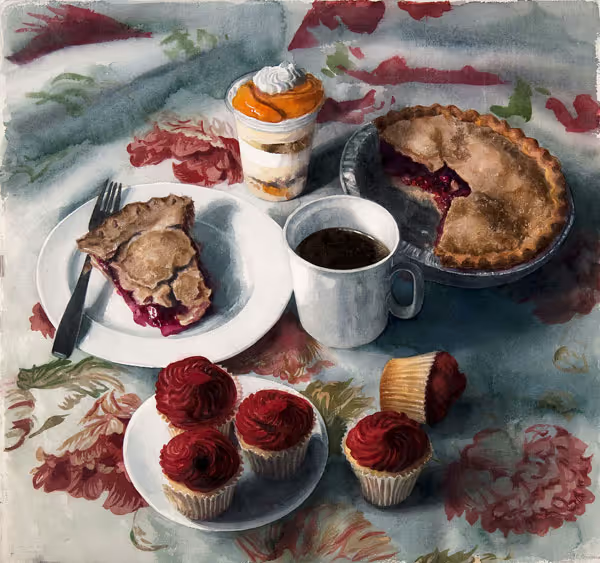
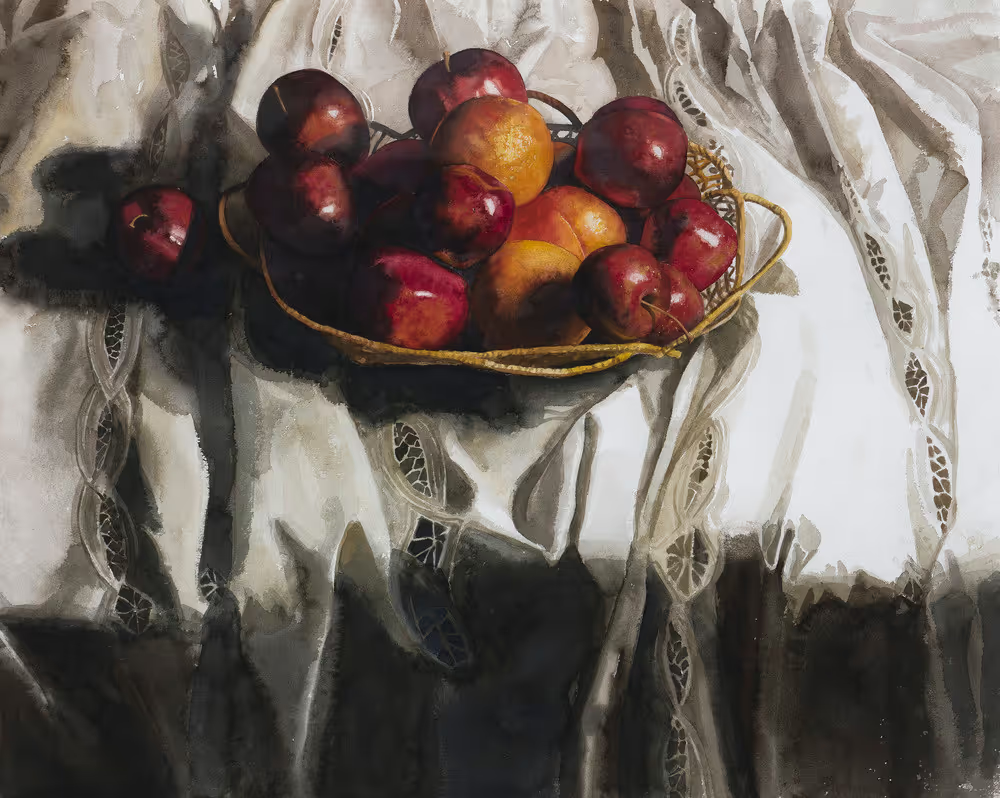
Eventually Goodman’s work in watercolor became dominant. In the early 90s, she painted a number of pieces measuring five feet across, a scale more commonly afforded oil paintings. Foregoing oils altogether, she found ways to make watercolor achieve astonishingly unexpected effects of tonality and texture. As with Demuth, properties which render and make real are energized by looseness in the brushwork and layering of color.
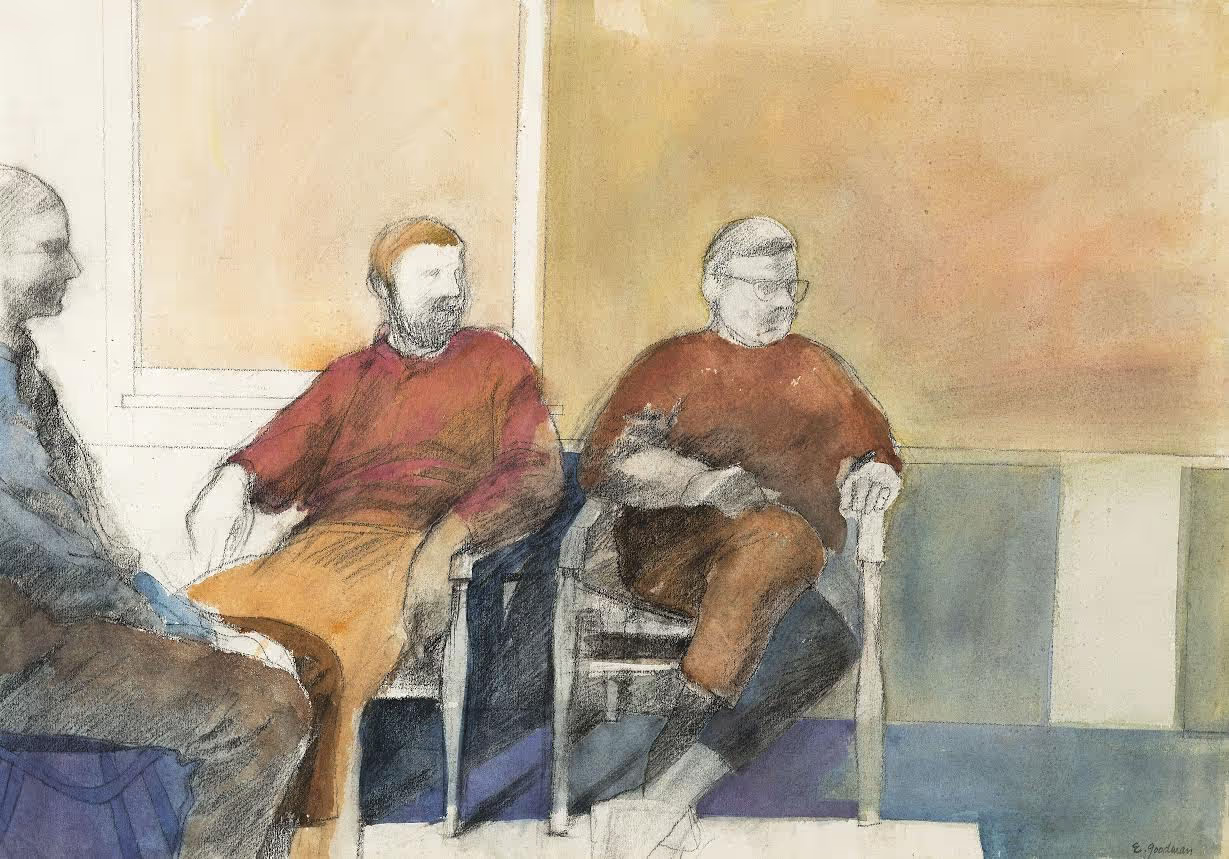
Goodman does not have an agenda when she begins a painting. In other words, she sets out with no pre-conceived message, emotional perspective, or point of view that she wishes to convey. Instead she is drawn to the formal relationships between arranged objects that she sets up and photographs; she focuses on composition and the play of light as it touches the surfaces of the objects. Meaning and interpretation, for Goodman, evolve in the mind of the viewer.
We are always open to learning more about our collections and updating the website. We invite you to share your ideas, knowledge, and stories as they relate to the art in our collection. Contact us here.
Please note that work by this particular artist might not be on view when you visit.
Don’t worry—we have plenty of exhibitions for you to explore.
Related Art in Collection
![Untitled [Sidney’s Parents]](https://cdn.prod.website-files.com/68961b6b3189b29172d19dc9/691d47dae6ea7e71fbfc5a6a_goodman_2016.25.2_web-1.avif)