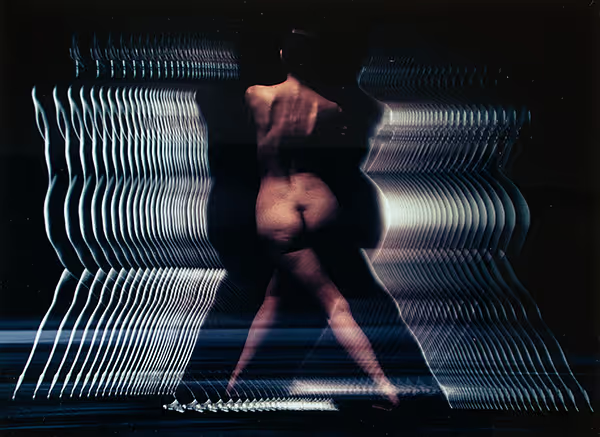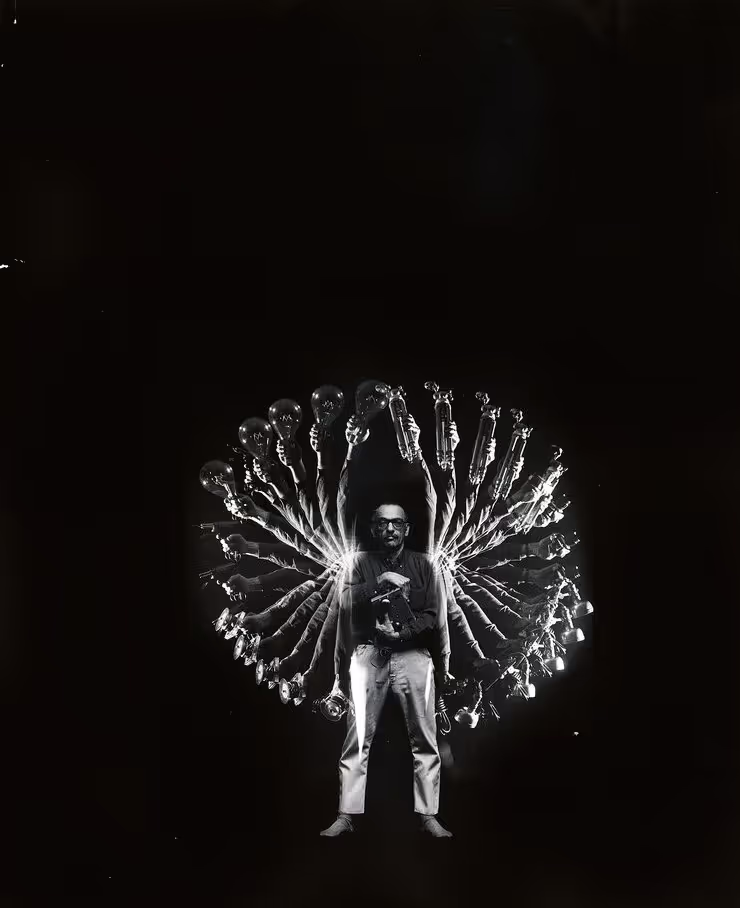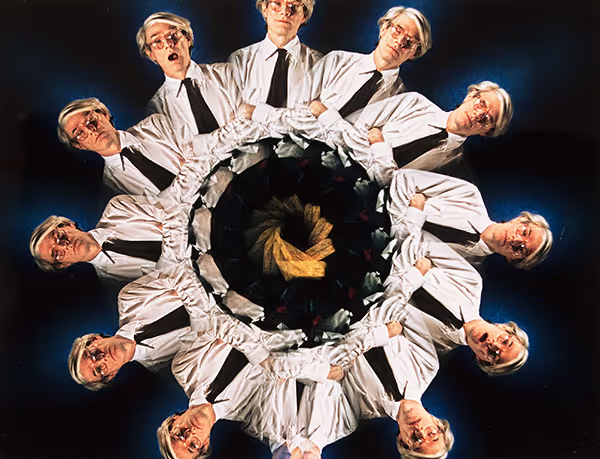
In creating this portrait of Andy Warhol, Rose employed a rotating camera with internal prisms of his own invention, paired with synchronized strobe lights. The repetition of Warhol's figure results from one continuous, multi-shutter series of shots captured on a single negative—a technical innovation that cleverly engages Warhol’s own artistic preoccupation with multiples and repetition (he quipped, “The more you look at the same exact thing, the more the meaning goes away, and the better and emptier you feel”). Rose generally allowed his subjects to pose as they wished, and Warhol likely actively participated in creating this portrait, performing his animated expressions for the camera. The two artists occasionally collaborated on projects where fine and commercial art intersected.
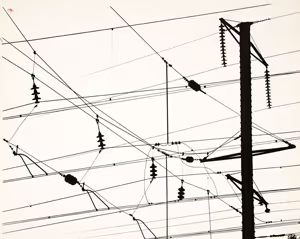
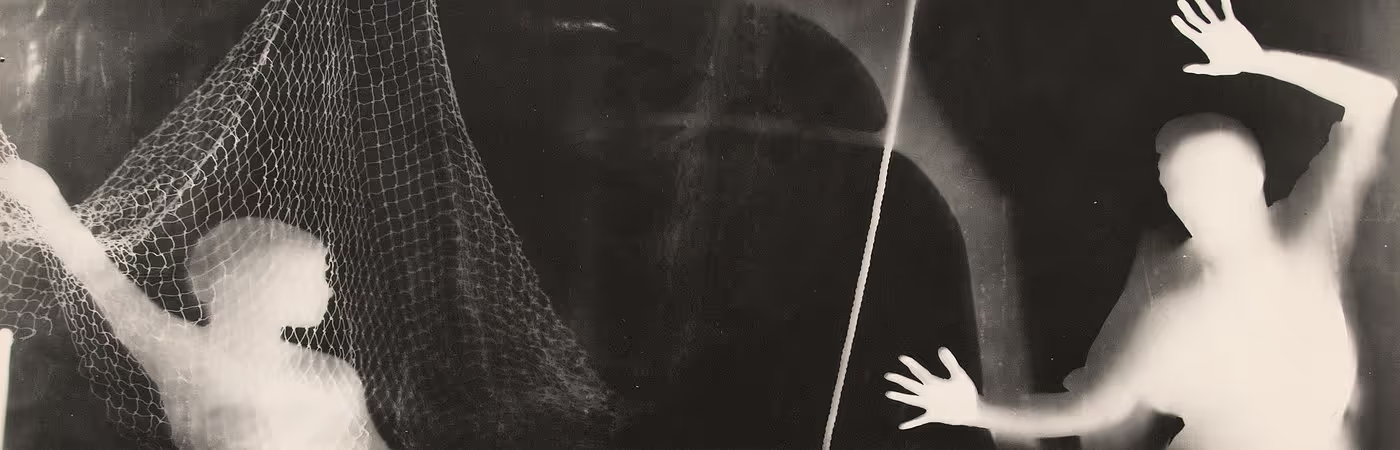
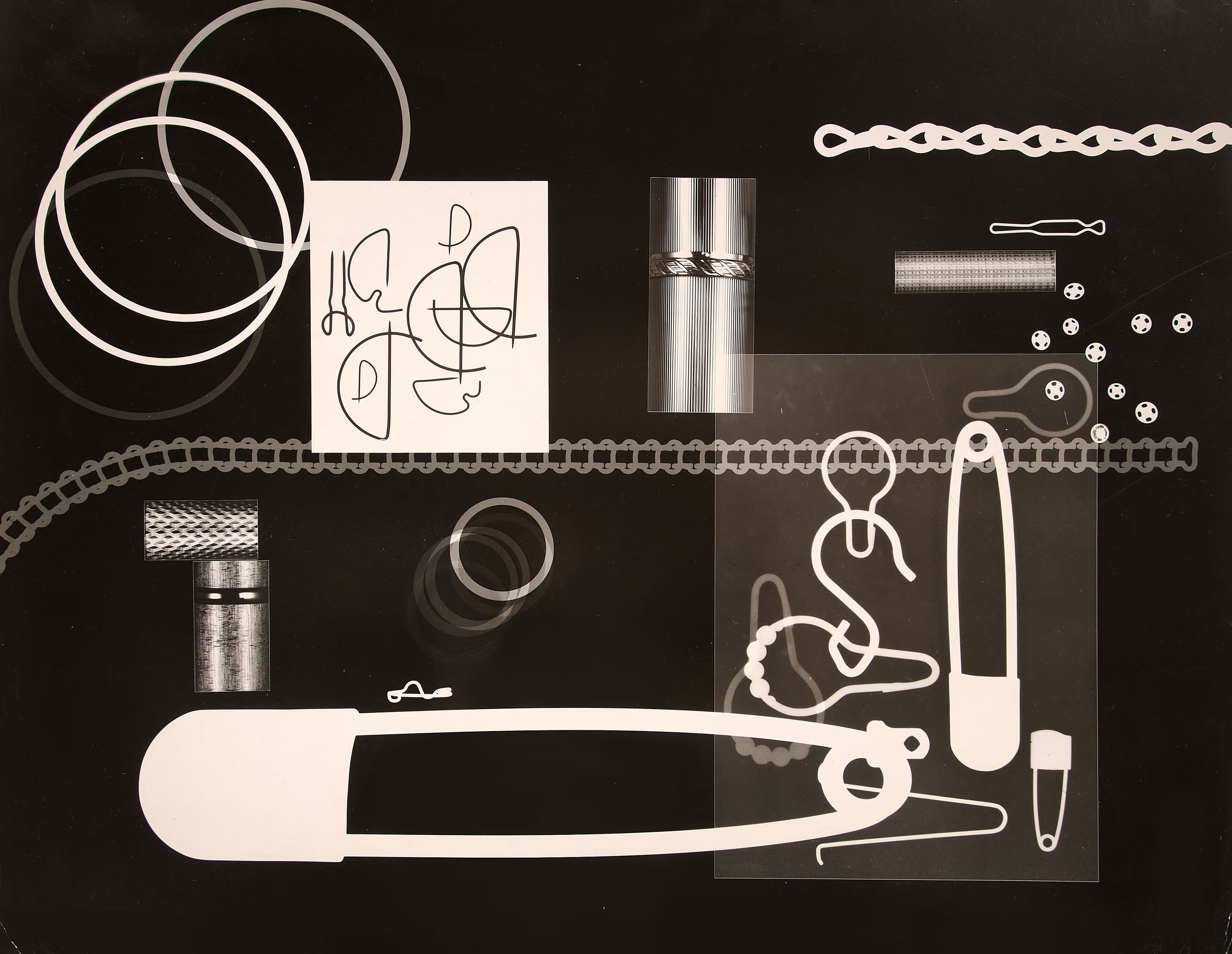
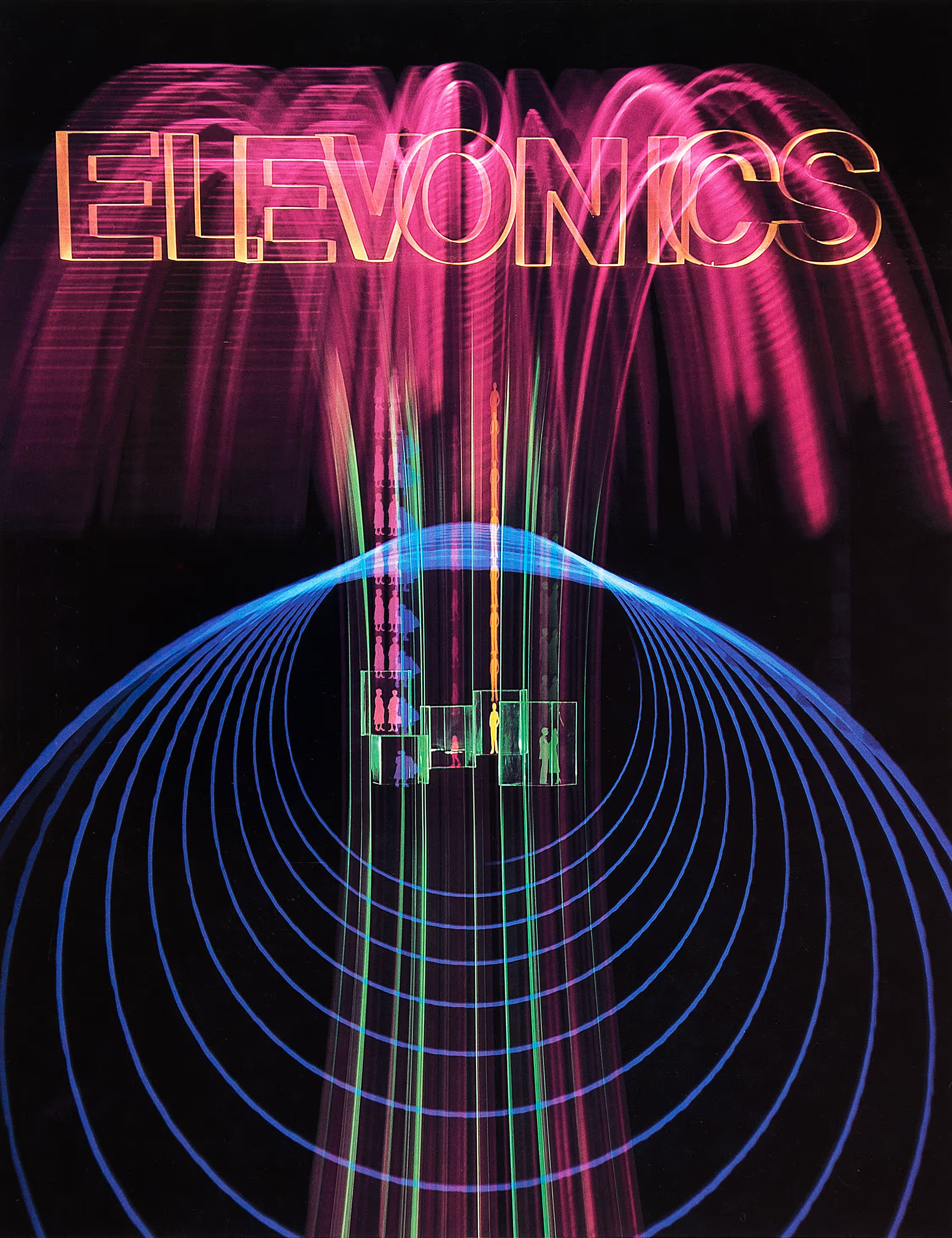
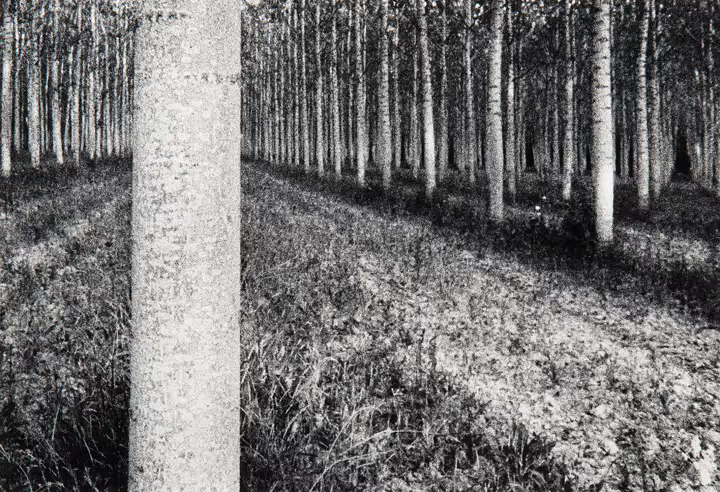
A Philadelphia native, Rose studied at the Pennsylvania Museum and School of Industrial Art (later the University of the Arts) under instructors including Russian photographer Alexey Brodovitch. He would later return to teach at his alma mater and at the Parsons School of Design in New York. Rose’s career was marked by constant technical experimentation: he worked with a Contax 35mm camera from 1939 to 1941, then shifted to the 2 14 × 3 1/4 format while taking on editorial assignments for Harper's Bazaar, Life, and Scientific American. Around 1948, his photography became increasingly abstract, with black-and-white images of power lines evoking Cubist styles. As his son Peter Rose recalls, his father sought “to summon the conventions of perspective and to make them do some other kind of bidding, to bend the familiars of space into alien figurations.”