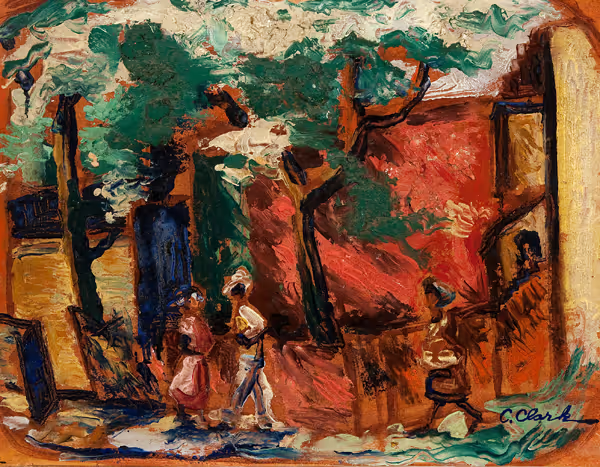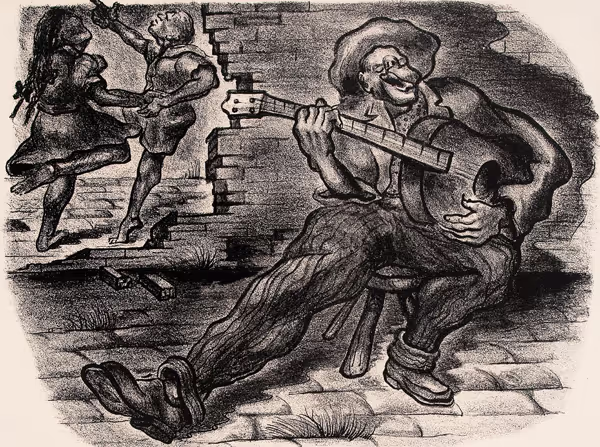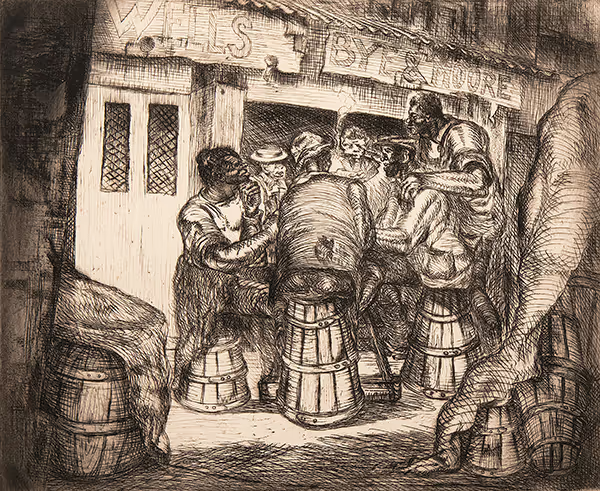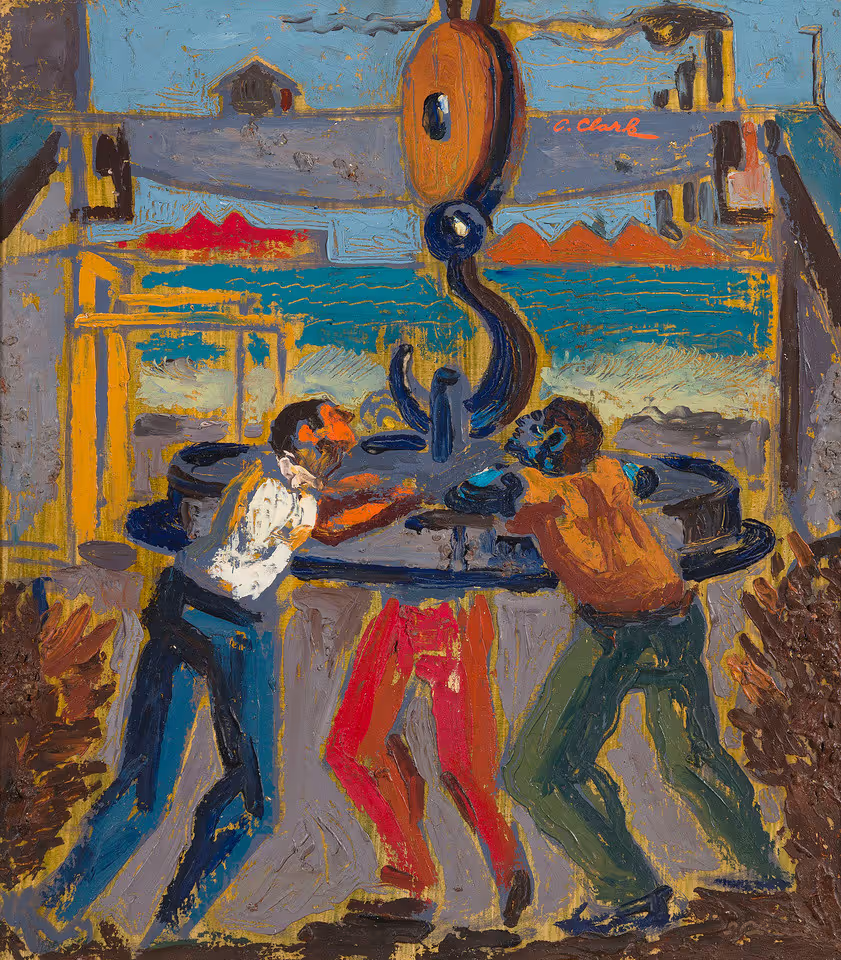
Men and Magnets depicts laborers guiding a massive overhead electromagnet used in steel mills to lift and move heavy metal parts. Two men lean toward the suspended circular magnet, their bodies tense with coordinated effort, while vivid color and thick impasto heighten the sense of energy and heat. Clark transforms an industrial scene into an expressive study of human strength and cooperation, where the magnet—literally a force of attraction—becomes a symbol of solidarity and the dignity of labor. “My search became a single purpose for the dignity of Black Americans,” Clark explained. This commitment shaped his work during the Great Depression, when he joined the Federal Arts Project of the Works Progress Administration. His credo was that art should benefit the “common man.”
Born on a Georgia tenant farm, Clark moved to Philadelphia's Manayunk neighborhood at age eight. After earning a scholarship to the Pennsylvania Museum and School of Industrial Art (later the University of the Arts) and studying at the Barnes Foundation, he received degrees from Sacramento State College and the University of California. Clark became a distinguished educator, building Talladega College's art department and teaching studio art and African American art history at Sacramento State and Merritt College in Oakland. He pioneered inclusive art education by designing A Black Art Perspective, the first curriculum of its kind.