Description
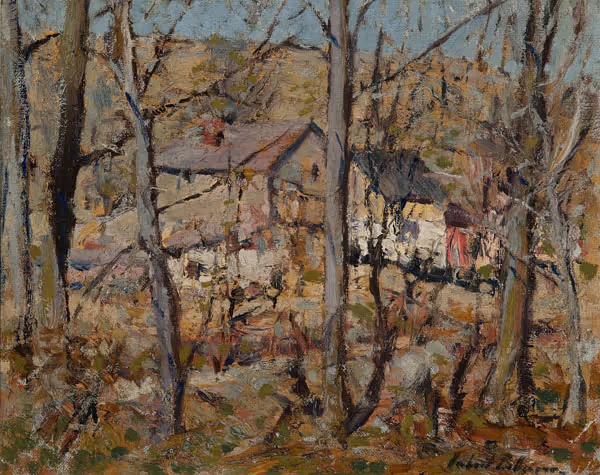
Quarries, slag heaps, bridges, and other manmade features of the Eastern seaboard were primary subjects for Folinsbee for much of his career. The Bangor Quarry near Allentown was among the largest and oldest of the quarries in Pennsylvania’s “slate belt,” which provided slate for roofing and paving projects across the United States.
Here, adapting the technique of French Post-Impressionist Paul Cézanne, Folinsbee treats the landscape as an architectonic structure. Form is constructed through geometric patches of color, especially earth tones and blue. The swirls of clouds and curves of the draglines that drape across the center of the canvas give the scene a sense of urgency that is echoed in Folinsbee’s rhythmic application of paint.