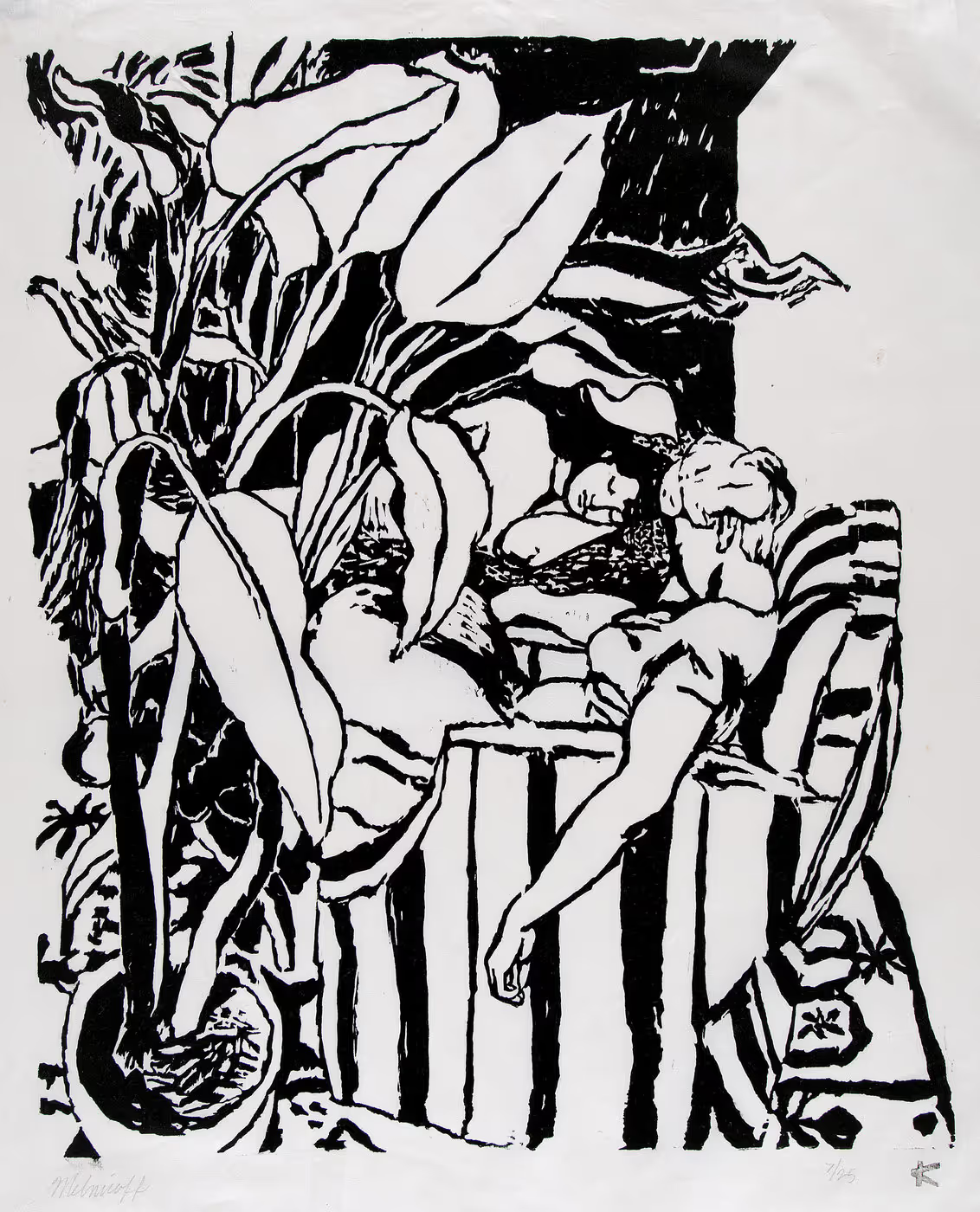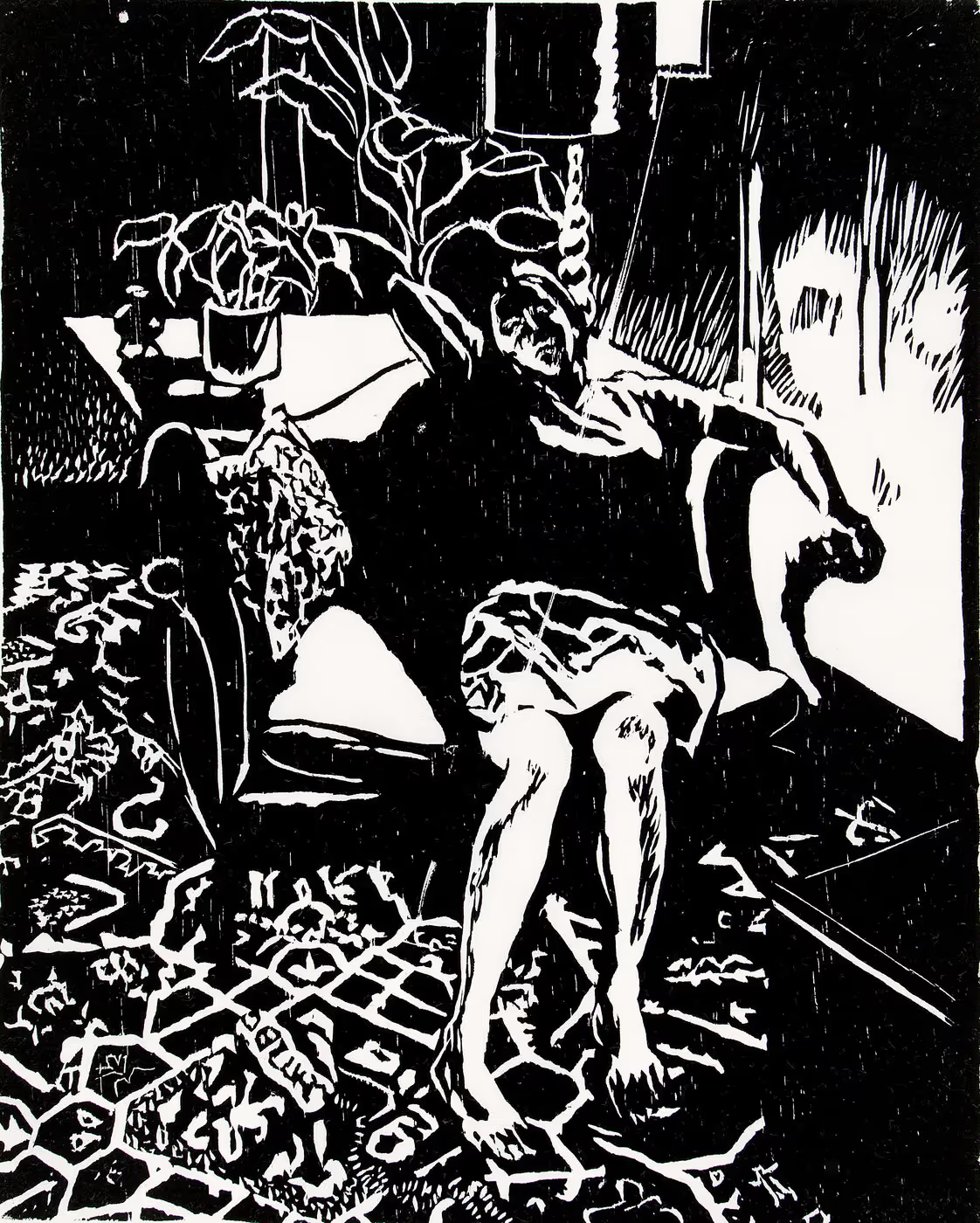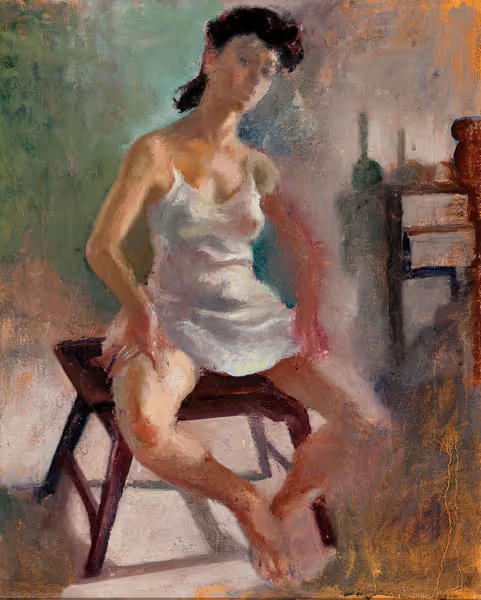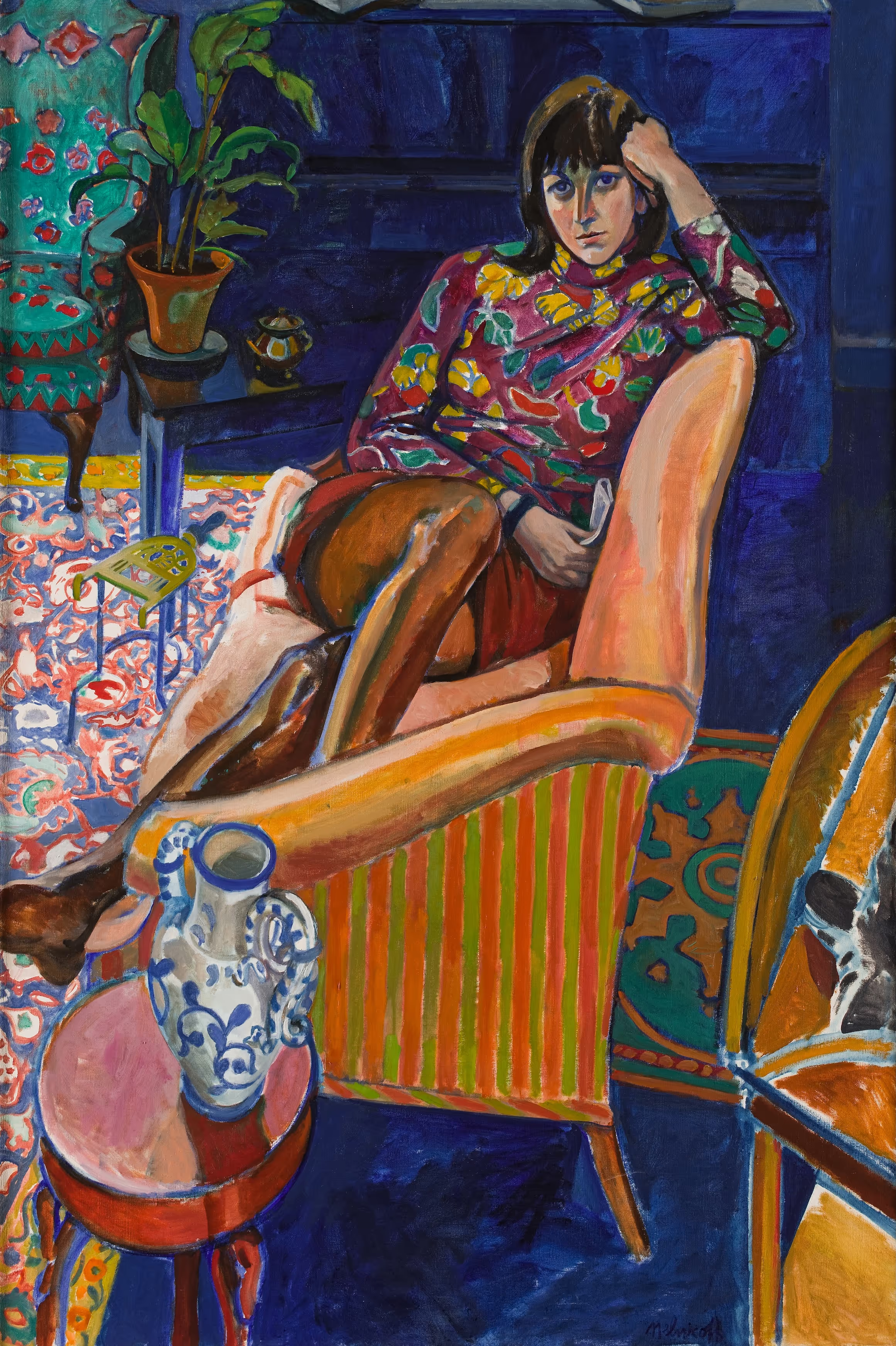
In 1908, architect Adolf Loos delivered his famous lecture “Ornament and Crime,” calling for radical aesthetic purism. By his standards, Afternoon would be criminal. This large-scale painting is an exuberant symphony of decorative pattern: a striped couch, a floral chair, Persian-style carpets, a blue-and-white vase, and Melnicoff’s own vividly patterned shirt. Reclining on the striped sofa, she seems to assert, in the spirit of her exemplar Henri Matisse, that painting should always be decorative, and indeed like bouquets of flowers. Shortly after Melnicoff’s death, the feminist Pattern and Decoration movement would embrace these same qualities as a rejoinder to the male-dominated Minimalist and Conceptualist aesthetics.
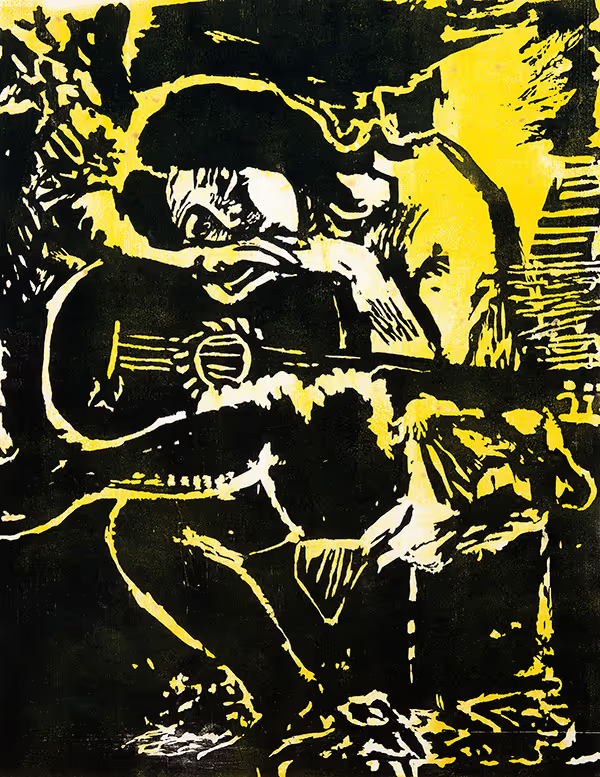
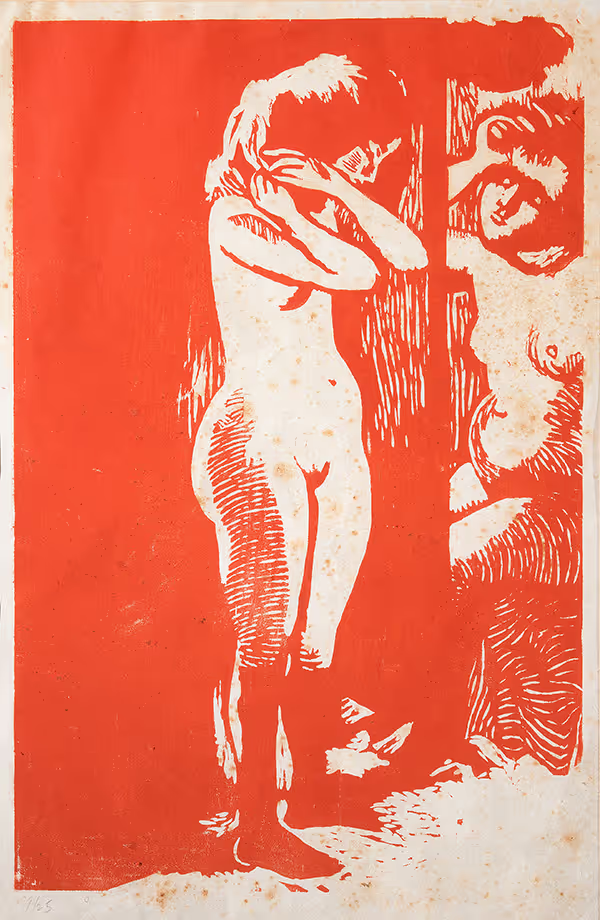
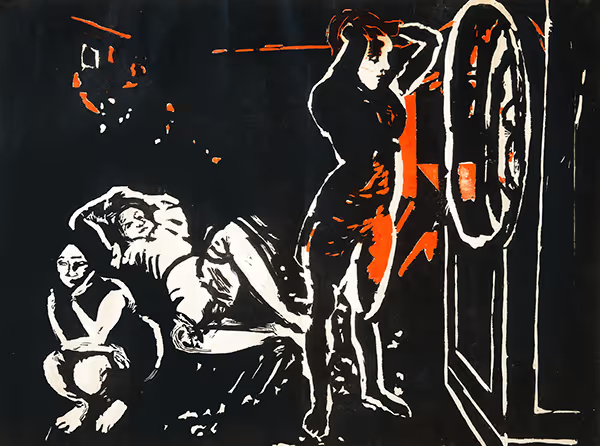
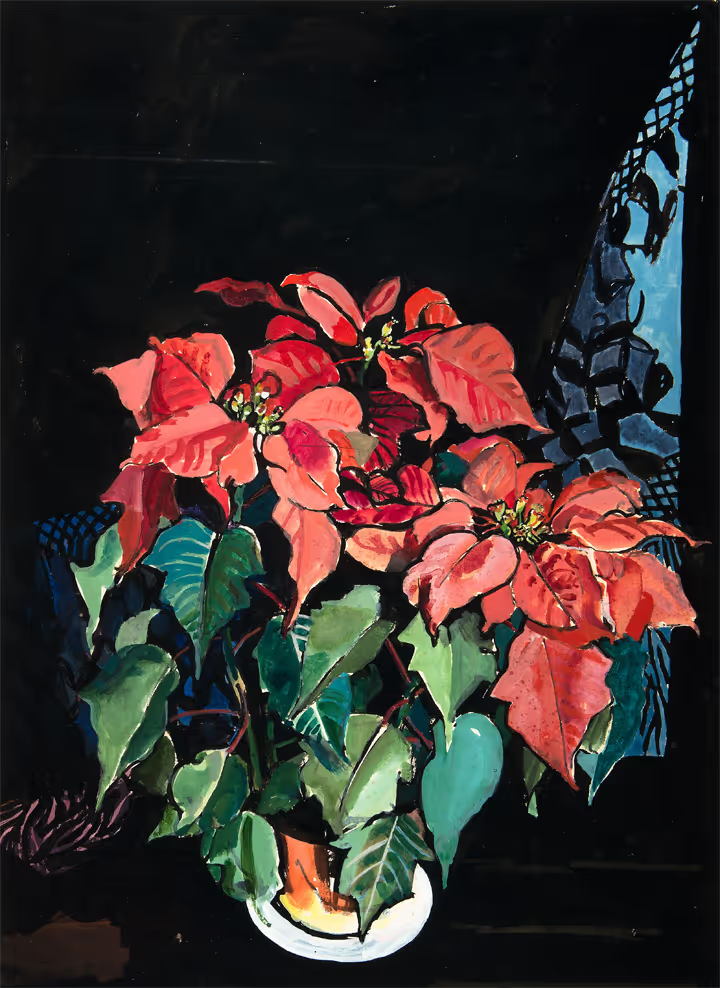
Born Miriam Goldman in Philadelphia, Melnicoff studied at the Graphic Sketch Club (now the Fleisher Art Memorial), Settlement Music School, and Tyler School of Art. She began her career as an illustrator for N. W. Ayer & Son, Inc., later freelancing for Columbia Broadcasting System, Columbia Records, and magazines such as Sports Illustrated, Fortune, Cosmopolitan, and Glamour. In 1962 she joined the faculty of the Philadelphia College of Art (later the University of the Arts), where her colleagues included Jane Piper and Doris Staffel. Melnicoff first exhibited at Woodmere in Young Artists of Philadelphia (1961) and, shortly before her death, was featured alongside Romare Bearden, Sidney Goodman, Alex Katz, and Philip Pearlstein in the Pennsylvania Academy of the Fine Arts (PAFA) exhibition Return to the Figure. In 1968 she received PAFA’s Mary Smith Prize for a distinguished woman painter.


![Untitled [Young Girls in the Garden]](https://cdn.prod.website-files.com/68961b6b3189b29172d19dc9/691d480d9eee507e060643fd_melnicoff_2022.4.1_web.avif)