The World
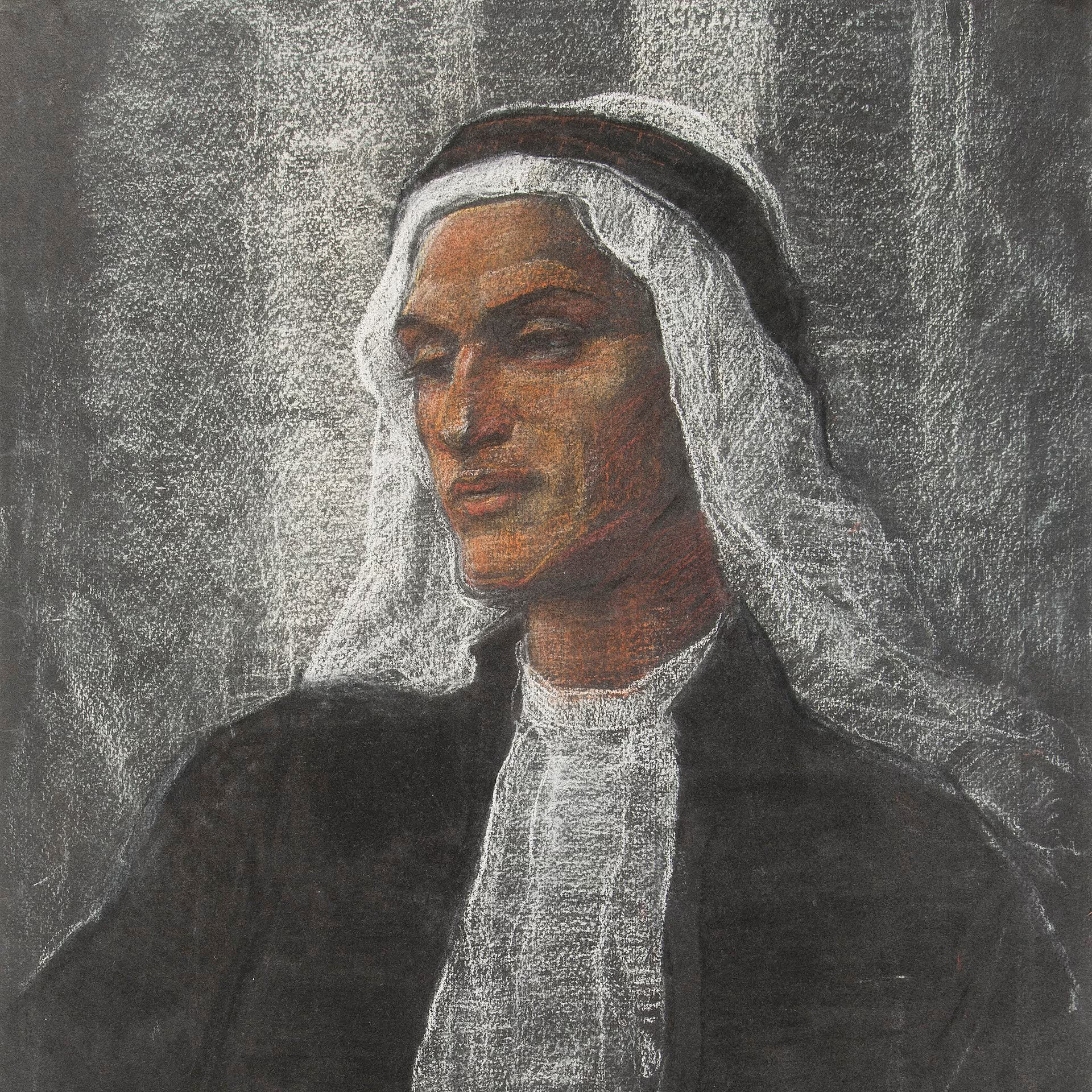
“Miss Oakley takes no national viewpoint only, but one in truest sense international,” the Philadelphia Public Ledger reported in 1923.1 Oakley developed an international perspective at an early age from contact with her artistic relatives in England, France, and Morocco. On visits to her paternal aunts’ villa in Tangier, she mingled with members of the international diplomatic community and sketched the local Muslim culture and scenery. A cosmopolitan artist, she participated in the making of an American Renaissance founded on the academic traditions of European art.
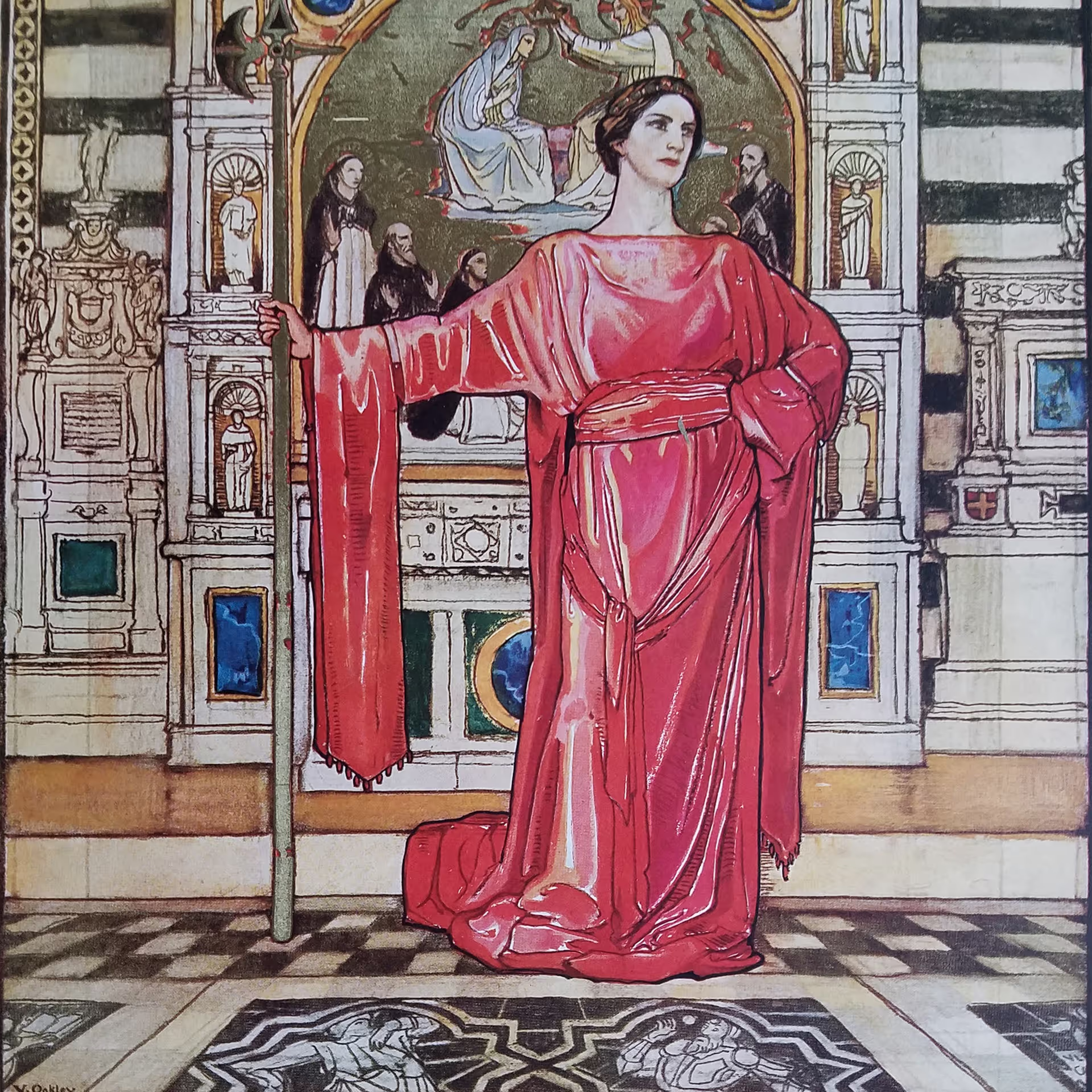
When the Great War began in 1914, Oakley expanded her mural programme in the Senate Chamber from national to international issues. “My own faith in an organized world governed by lnternational Law dates from my first study of the life of William Penn and his 'Holy Experiment' as he called his unfortified Commonwealth of Pennsylvania in 1682,” she later reflected.2 She enshrined Penn’s Quaker principles in the monumental frieze and Unity. Unlike many of her colleagues, Oakley was a pacifist who did not produce propaganda posters to support the entry of the United States into World War I. Instead she produced two posters for the benefit of the Italian Relief Auxiliary of the American Red Cross: Italy, Guardian of the World’s Most Precious Heritage of Beauty and a red chalk portrait of the Italian diva Amelita Galli-Curci (1882–1963).
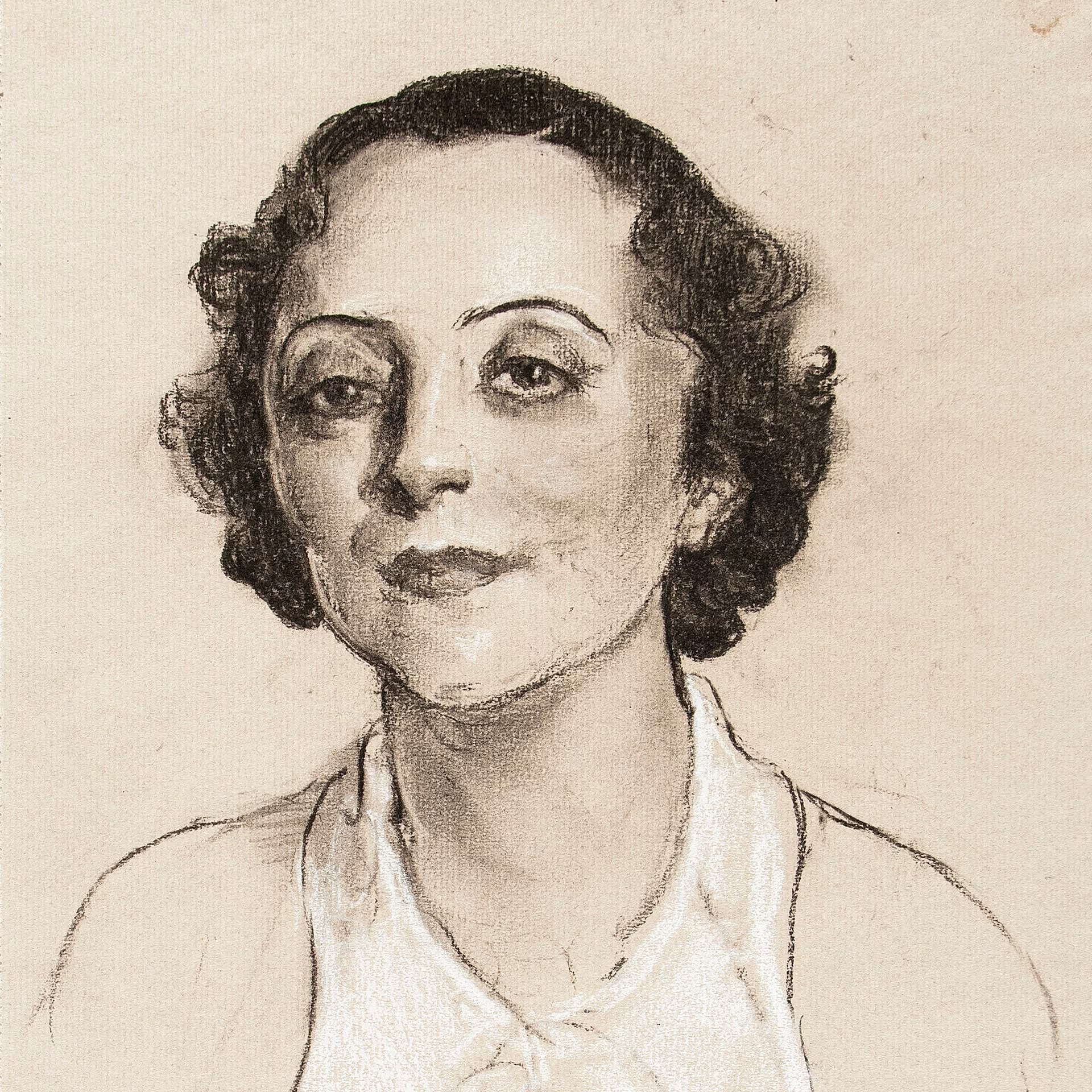
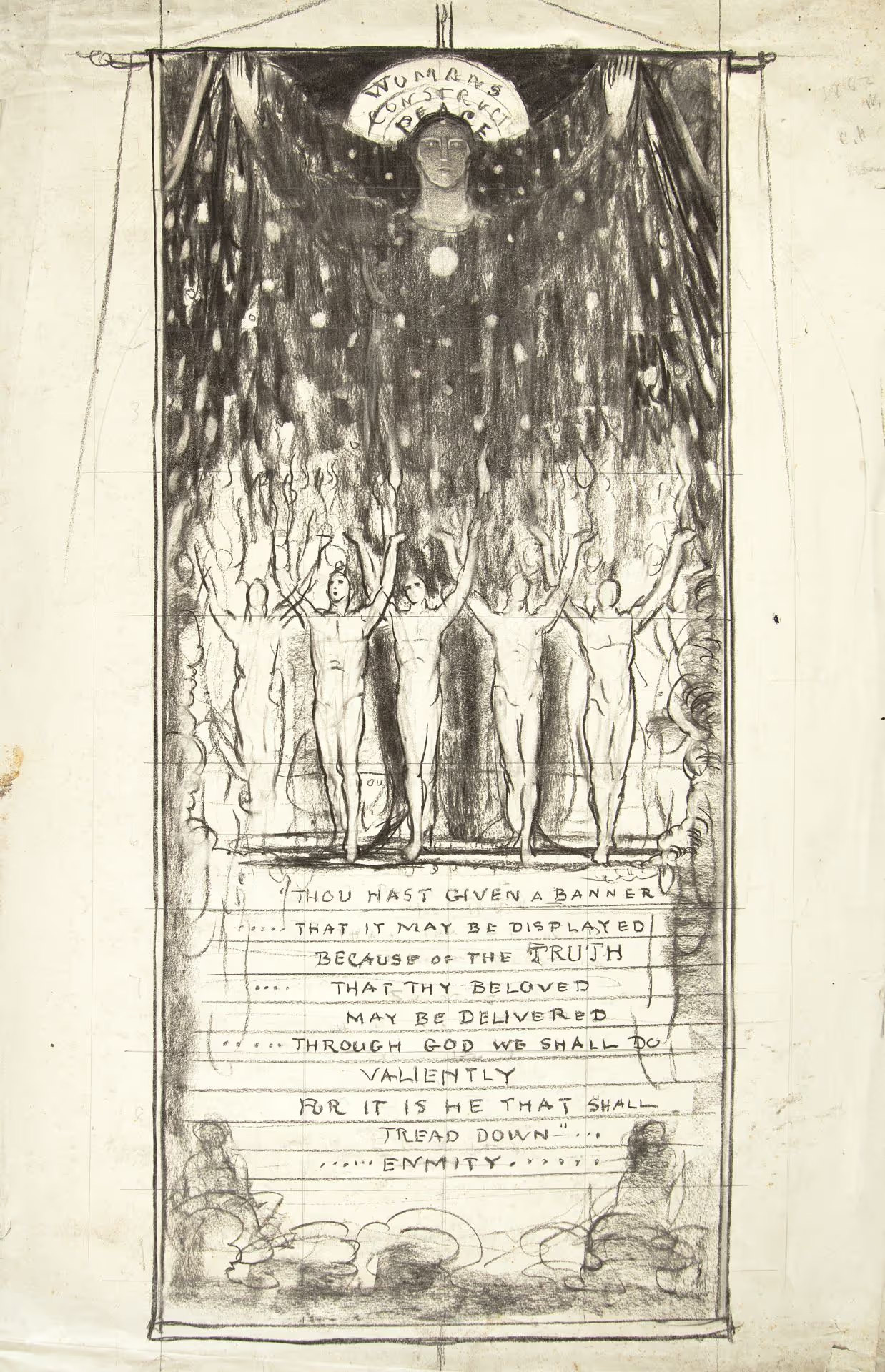
Oakley remained staunchly anti-war and pro-international government for the rest of her life. She became a member of the Women’s International League for Peace and Freedom founded by Jane Addams. To promote international cooperation, she made portraits of the “peacemakers,” the delegates to the League of Nations, the United Nations, and Moral Re-Armament (MRA). Long an advocate of disarmament, after World War II she invoked the model of Penn’s “Holy Experiment” with greater urgency stating, “This is the imperative mood into which we have been translated in the atomic and Ideological age through which we are passing.”3
1 Warwick James Price, Review, Philadelphia Public Ledger, March 10, 1923.
2 Violet Oakley, The Holy Experiment: A Message to the World from Pennsylvania (Philadelphia: Cogslea Studio Publications, 1950) 19.
3 Ibid. 17.